
Last updated September 23, 2026
Whole-system duct and dryer vent check with before-and-after photos - you see exactly what came out of your vents
That "$99 whole-house special" is a bait ad - the real number appears once they are in your hallway, or the "clean" is a shop-vac at the register. We photograph the inside of your ducts before and after instead.
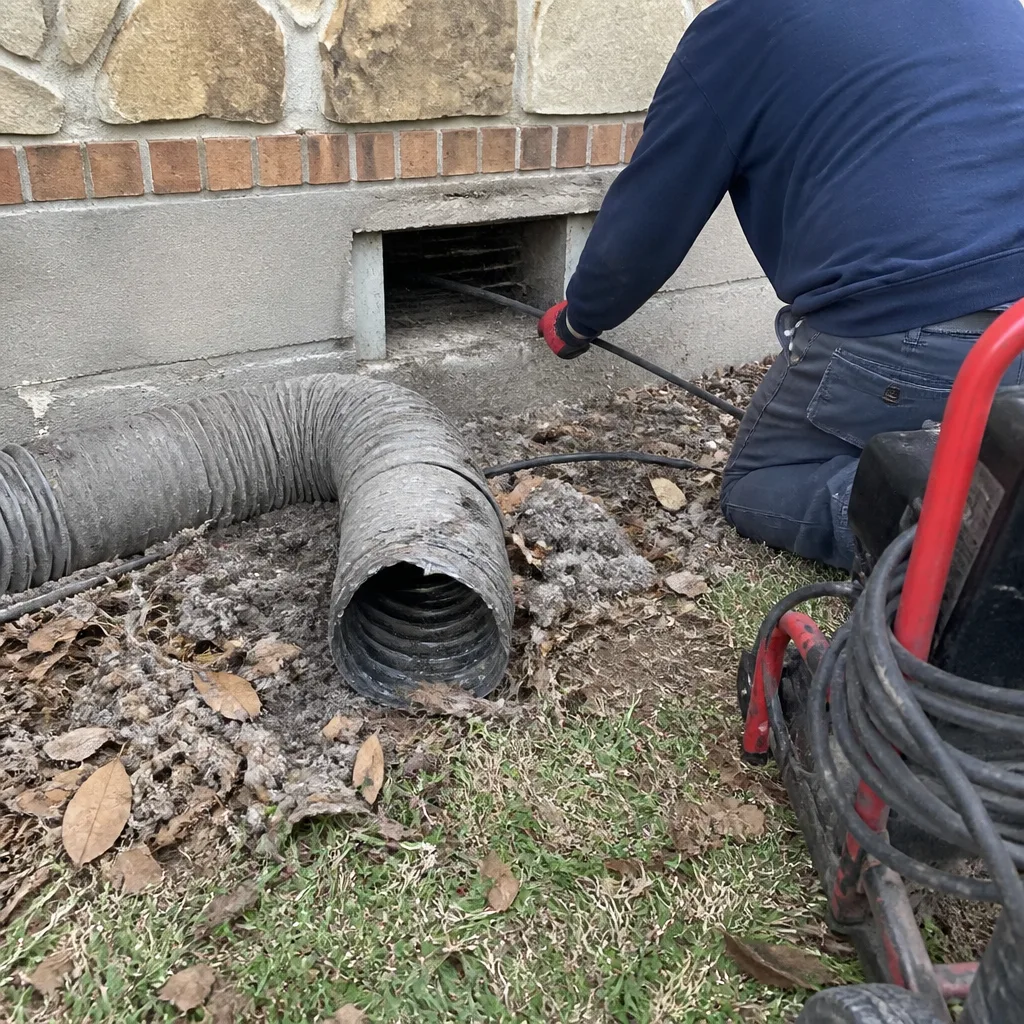 Before
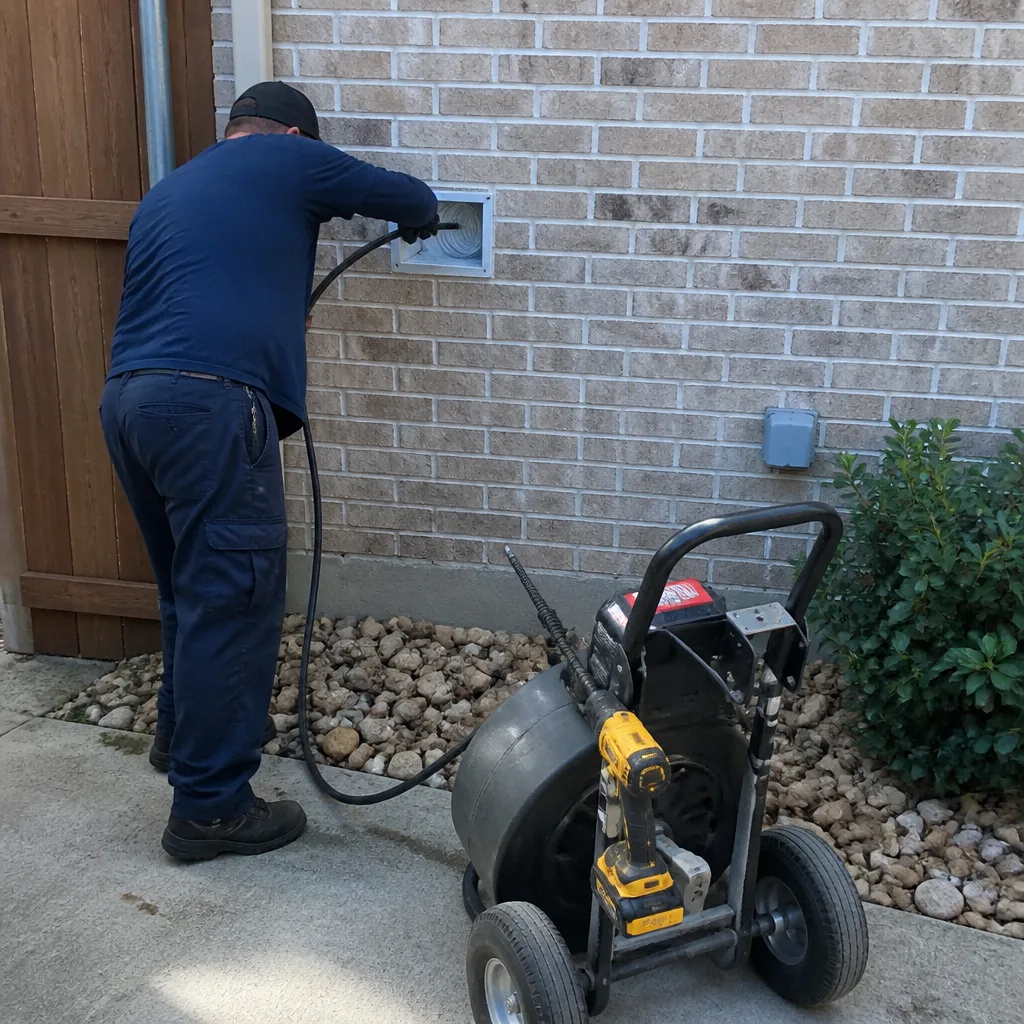 After
After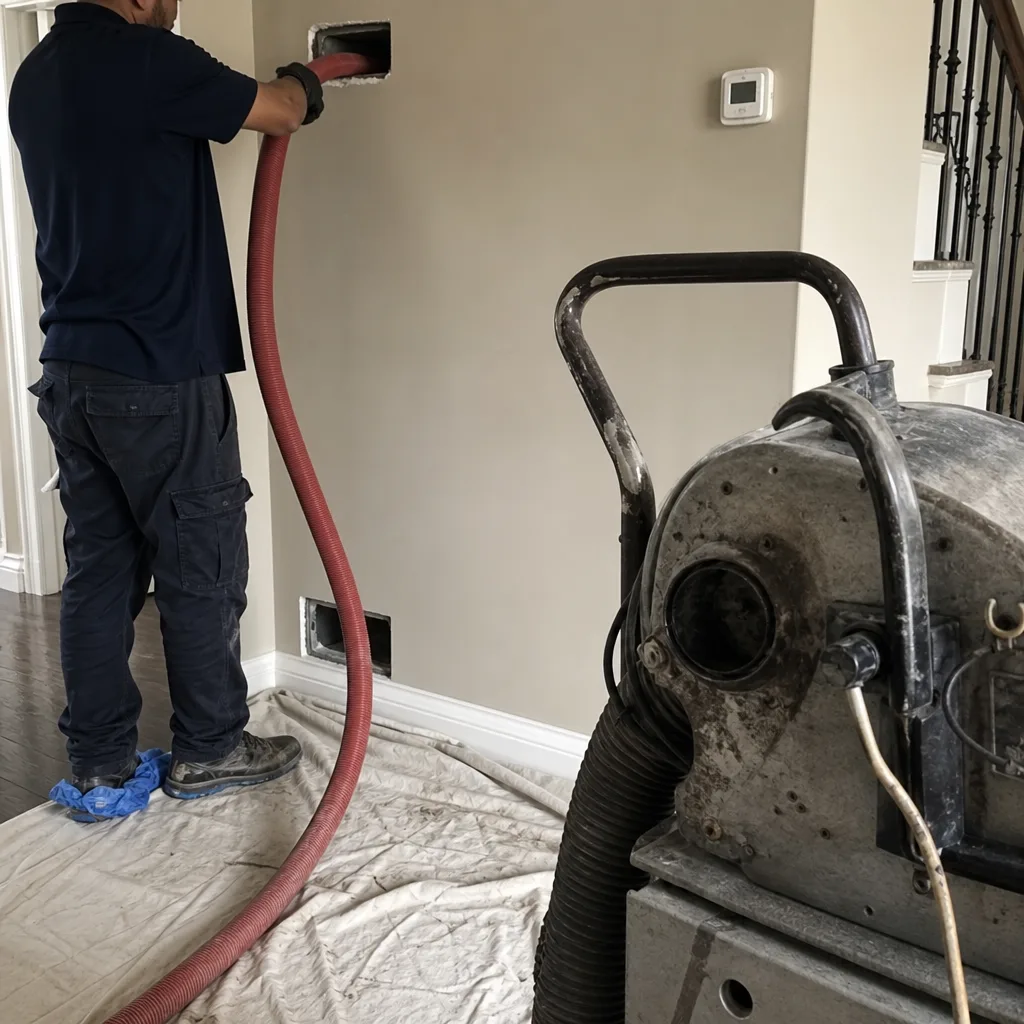 Before
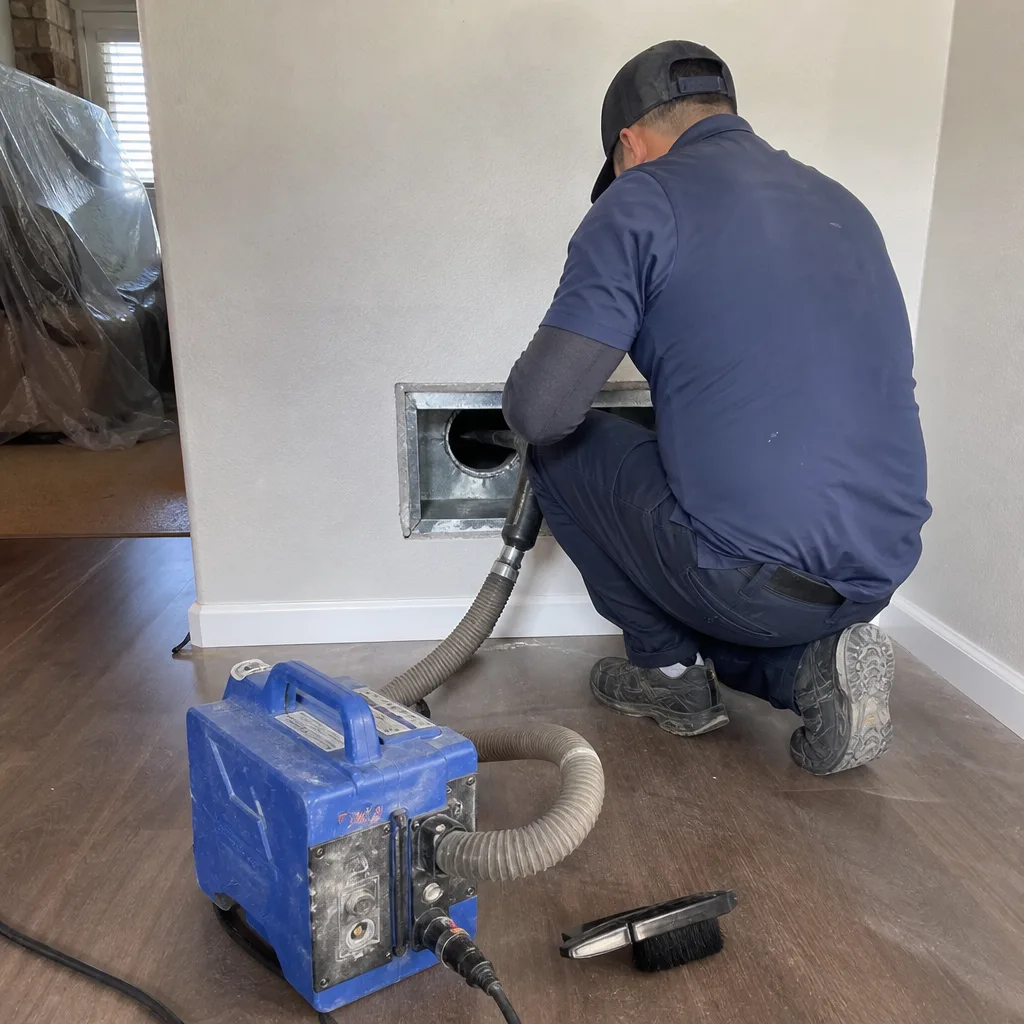 After
After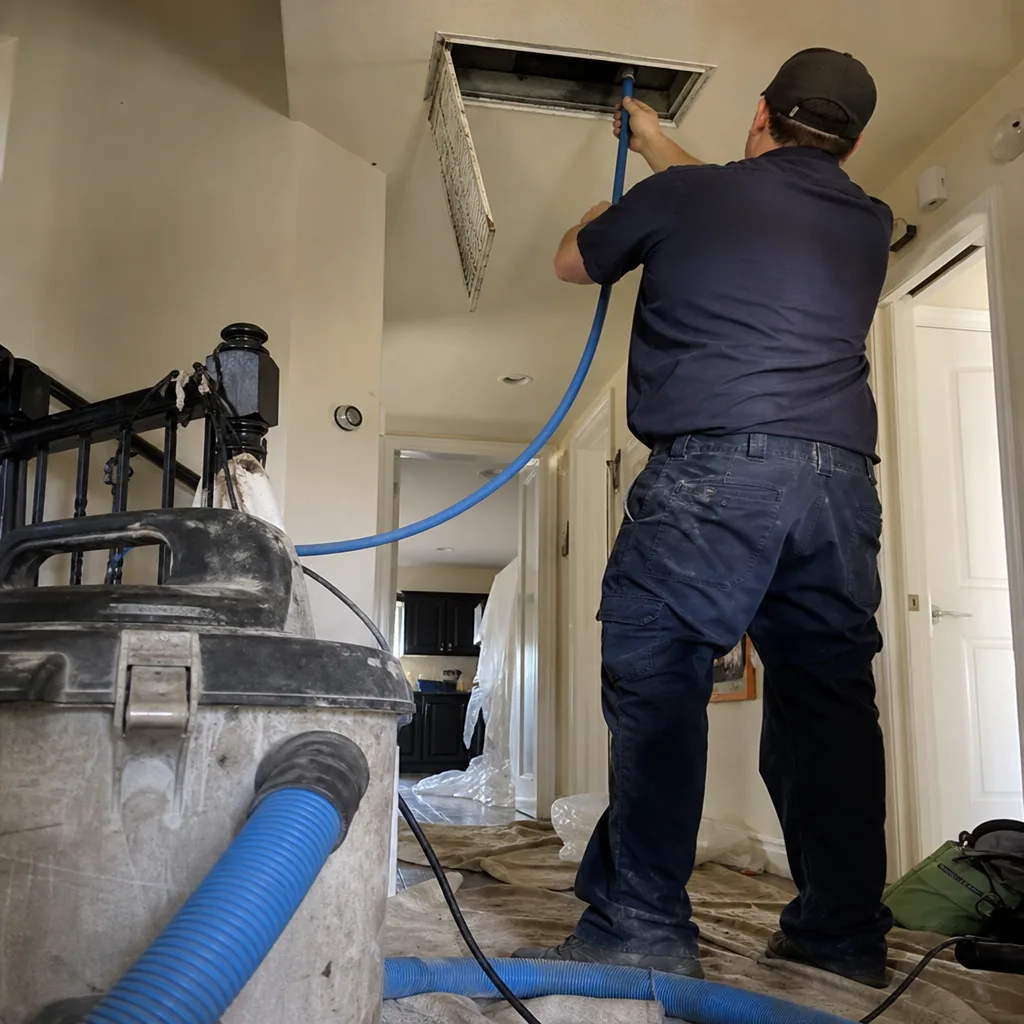 Before
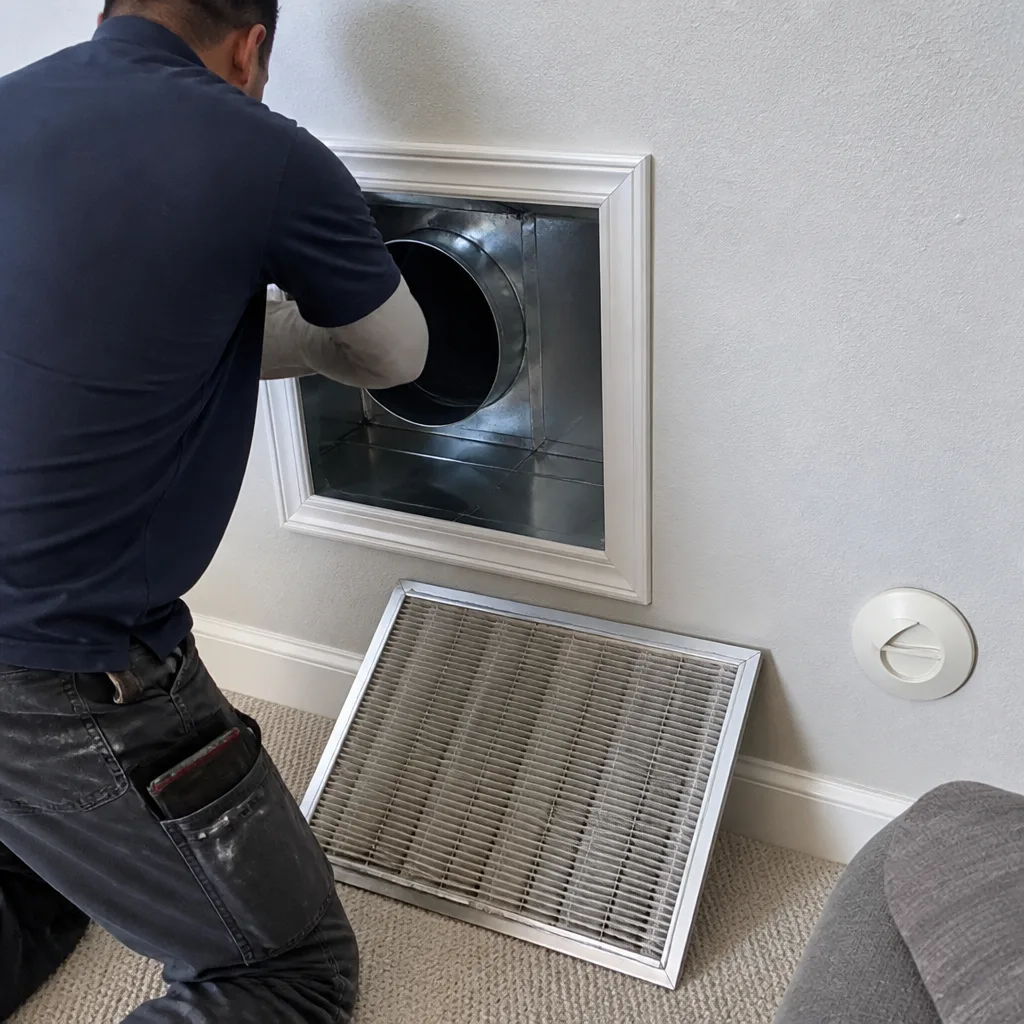 After
AfterThe Complete Guide to Air Duct Cleaning in Frisco
The average air duct cleaning “job” in Frisco takes 45 minutes. A system with 10-14 duct runs, a return plenum, and an air handler cannot be cleaned in 45 minutes - but most homeowners have no reference point to know that. This Air Duct Cleaning guide shows you exactly what a completed, documented job looks like in Frisco, from the scope of work to the photo record you should receive, so you can judge any bid against a real standard instead of a coupon price.
Quick Answer
Professional air duct cleaning in Frisco typically costs $400-$900 for a complete residential system and requires 3-5 hours of labor, as detailed in our DIY vs Professional Air Duct Cleaning: The Frisco Homeowner’s Decision Guide. A proper job cleans every supply duct run, return plenum, air handler cabinet, and blower compartment, with timestamped before-and-after photos of each component delivered to the homeowner.
Table of Contents
- What a Full-System Cleaning Actually Includes
- Why Frisco Homes Accumulate Debris Faster Than Older Suburbs
- What Documented Completion Looks Like
- Realistic Time Benchmarks: Square Footage vs. Duct Runs vs. Labor Hours
- How to Read a Cleaning Report
- What Air Duct Cleaning Costs in Frisco
- How to Choose an Air Duct Cleaning Company in Frisco
- Common Mistakes to Avoid
- When to Call a Professional
- Frequently Asked Questions
BeforeAfterWhat a Full-System Cleaning Actually Includes
A complete residential air duct cleaning addresses every component that moves conditioned air through your Frisco home. Partial cleaning - the norm in coupon-priced work - leaves debris in the very components that recirculate it.
Here is the full scope, component by component:
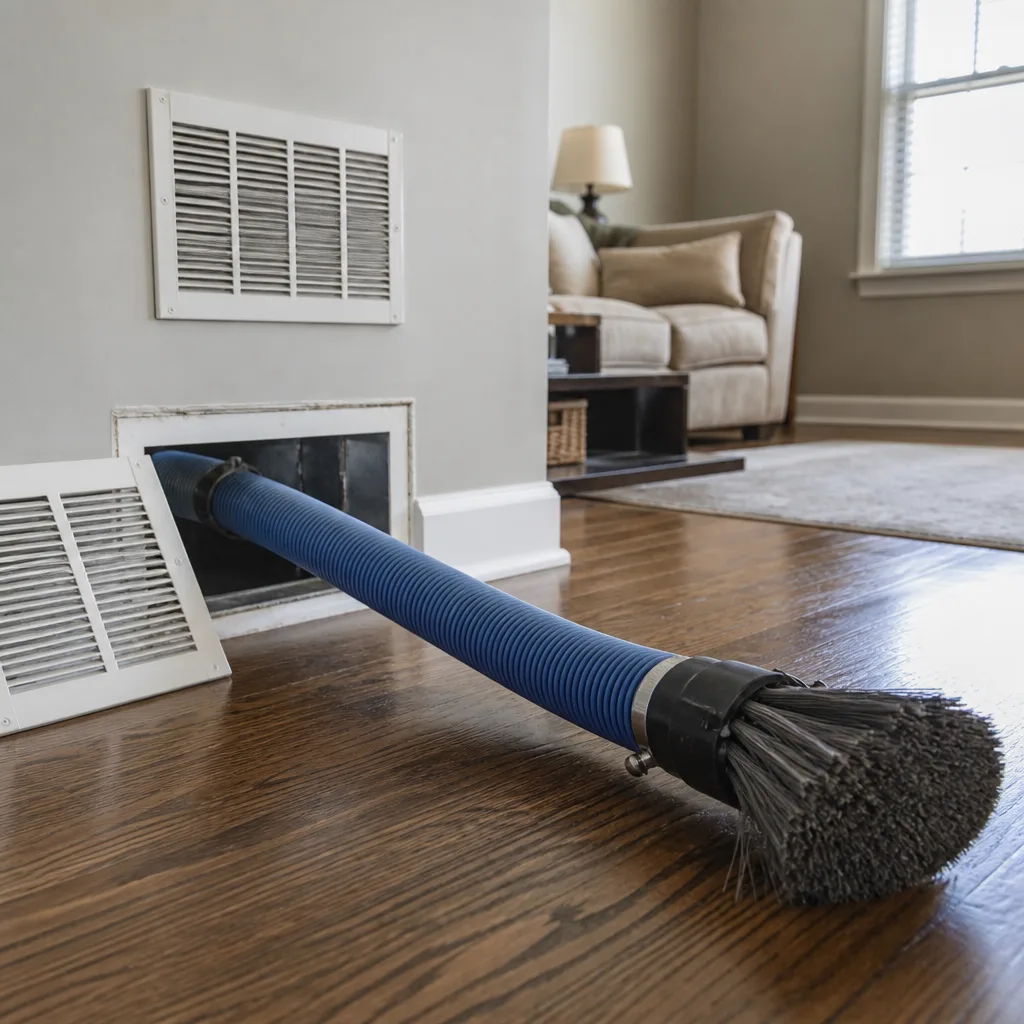
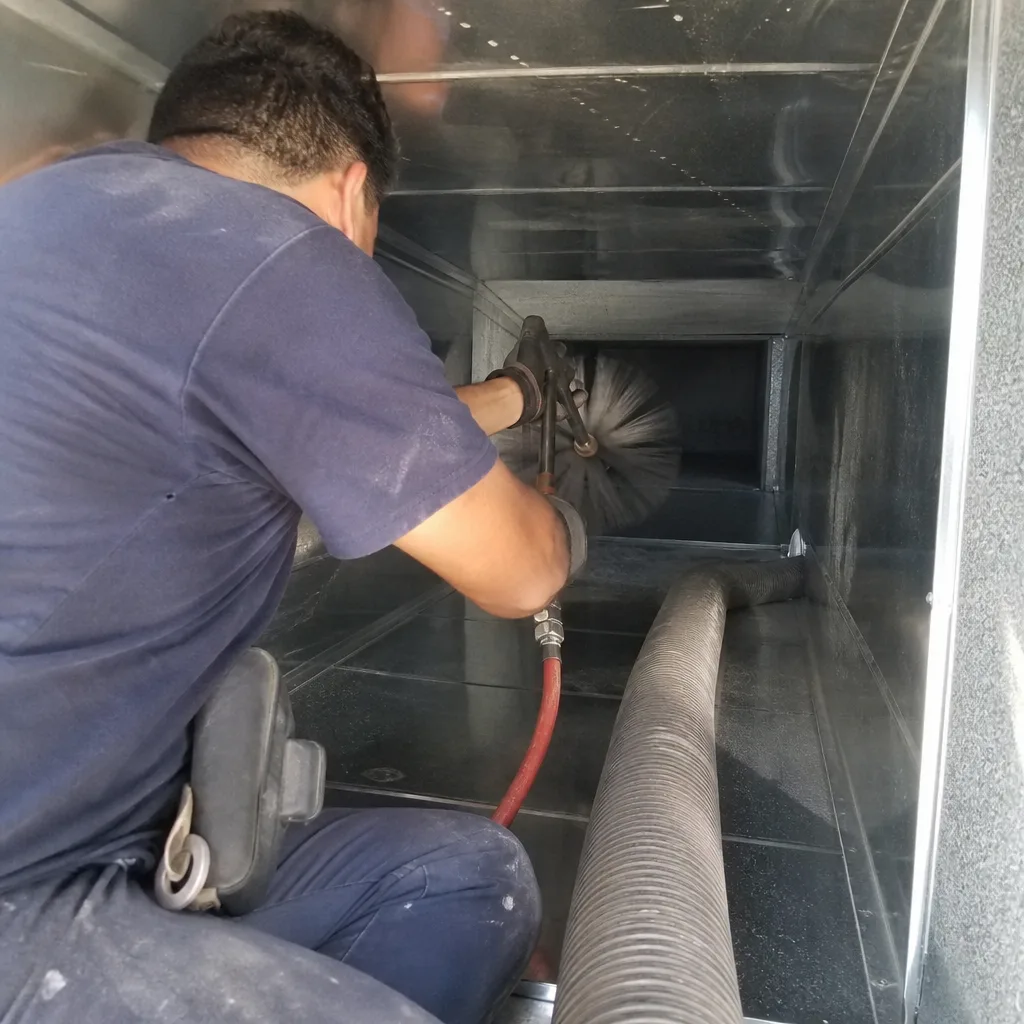
- Supply duct runs. These are the individual branches that carry heated or cooled air from the main trunk to each room register. A typical Frisco home built 2015-2025 has 10-14 supply runs. Each run must be accessed at the register and at the trunk connection, then cleaned with a negative-pressure extraction system (a vacuum unit that pulls debris out while agitation tools loosen it).
- Return plenum and return ductwork. The return side pulls air back to the air handler. It is often the dirtiest section because it is unfiltered - the filter sits after the return, not before. The plenum (the large sheet-metal box that connects the return duct to the air handler) accumulates debris that bypasses the filter through gaps and seams.
- Air handler cabinet. The sheet-metal enclosure that houses the blower, evaporator coil, and heat exchanger. Debris here recirculates immediately after the “cleaning” if it is not addressed.
- Blower compartment and blower wheel. The blower wheel is a finned drum that moves air. When coated with dust, it moves less air at the same speed, which strains the motor and reduces efficiency.
- Main supply and return trunks. The large rectangular ducts that run through the attic or crawl space, feeding the smaller branch runs. These require larger access openings and more powerful vacuum capacity.
- Registers and grilles. The visible covers are removed, cleaned separately, and reinstalled. This is not cosmetic - debris trapped behind registers re-enters the airstream.
What gets skipped on $79 jobs: the return plenum (too time-consuming to access), the blower compartment (requires partial disassembly), the main trunks (insufficient vacuum power), and all but a few supply runs. The result is a register-level vacuuming that leaves the system functionally unchanged.
At CleanRun Air Duct Cleaning in Frisco, every job includes all six components above, with a written scope delivered before work starts under Haven Standard Clause 1. No component is optional or upsold separately.
Why Frisco Homes Accumulate Debris Faster Than Older Suburbs
Frisco’s construction environment creates conditions that accelerate duct contamination beyond what homeowners in established suburbs experience. Understanding these factors explains why a 2019-built home in Frisco may need cleaning sooner than a 1995-built home in Plano.
Red-clay soil and fine particulate. The blackland prairie soil around Frisco is high in fine clay particles that become airborne during dry periods. These particles are smaller than typical household dust, pass through standard filters more easily, and adhere to duct walls due to electrostatic charge. In our experience, Frisco homes near active construction - Preston Ridge, The Grove, Fields - show measurable debris accumulation 18-24 months faster than comparable homes in areas with sandy loam soils.
New-construction dust loading. Frisco has added roughly 10,000 housing units annually since 2015. Homes built during this period, or homes near active developments, receive continuous infiltration of construction particulate: drywall dust, insulation fibers, wood framing particles, and concrete fines. This material enters through attic penetrations, wall cavities, and the gaps that exist in even well-sealed new construction. We have photographed return plenums in 3-year-old Frisco homes with debris layers exceeding what we find in 15-year-old homes in mature neighborhoods.
Tight building envelopes with intermittent HVAC operation. Modern Frisco homes are built to tight energy standards, but this means that when the system is off, pressure differentials between interior and exterior draw air through any available path - including duct seams and register gaps. During mild shoulder seasons, when Frisco homeowners run HVAC minimally, this infiltration deposits debris without the filtering effect of continuous airflow through the return.
Regional pollen and organic matter. The cross timbers ecoregion around Frisco produces high seasonal pollen loads, particularly cedar and oak. Pollen that enters the duct system combines with household dust to form a cohesive, adhered layer that simple airflow will not dislodge.
The practical implication: Frisco homeowners should not use “years since built” as their sole criterion for duct cleaning timing. A 4-year-old home in a high-construction zone may need attention before a 12-year-old home in a completed neighborhood.
What Documented Completion Looks Like
The air duct cleaning industry has no universal completion standard. A homeowner who receives no documentation has no basis to evaluate whether the work was performed. Here is what a documented, verifiable job record should contain.
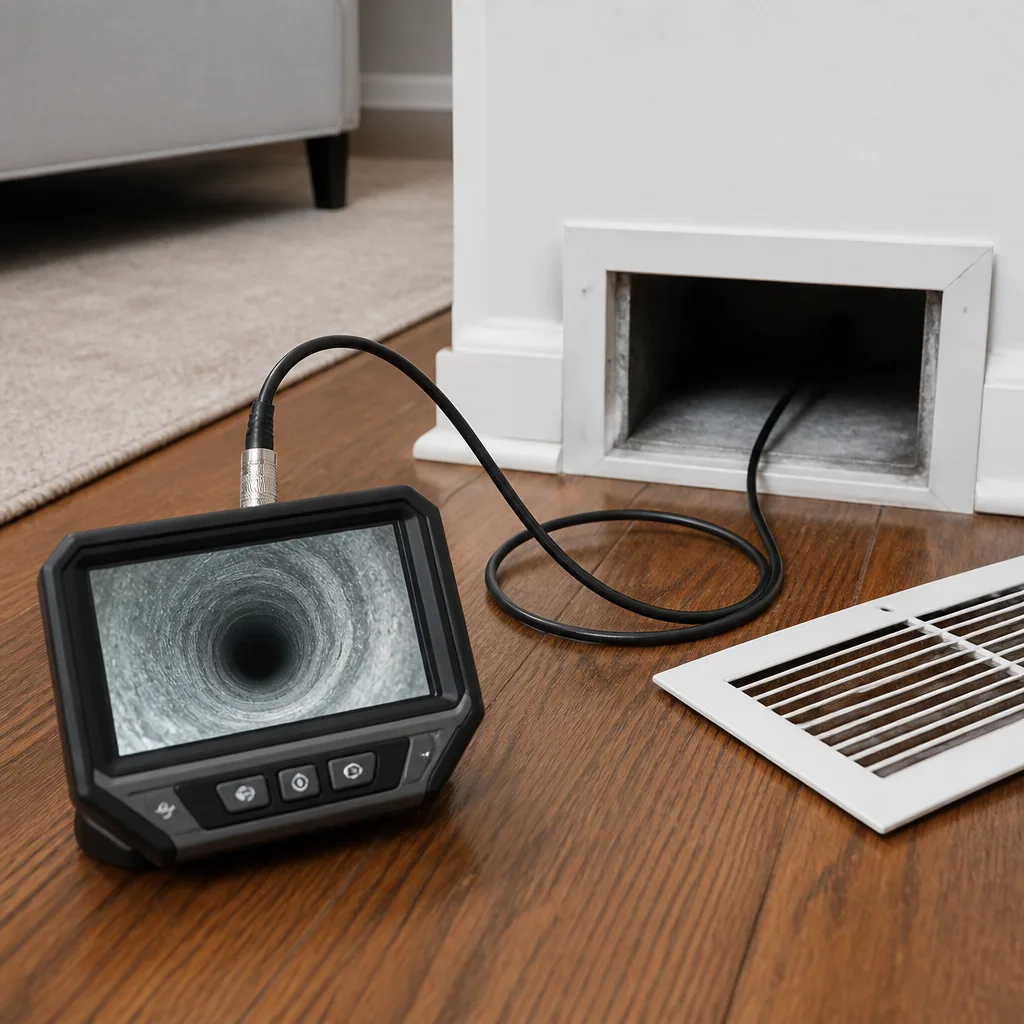
Timestamped before-and-after photos by duct run. Not one “after” photo of a clean register. Not a single image of the main trunk. Each individual supply run, each return branch, the plenum, the blower compartment, and the air handler cabinet - photographed before work begins and after work concludes, with timestamps that show the sequence. At CleanRun, this Documented Photo Record is included on every visit, delivered as part of the standard job record, and has been since our first job in 2013.
Written scope of work. A document that lists every component cleaned, the method used (negative-pressure extraction with Rotobrush or Nikro agitation tools, for example), and any conditions found that affect system performance. This is not a marketing handout - it is a technical record.
Written price, agreed before work starts. Haven Standard Clause 1 requires a written price delivered before any panel is removed. The customer signs or initials this price. There is no post-work invoice surprise, no “we found additional contamination” upcharge.
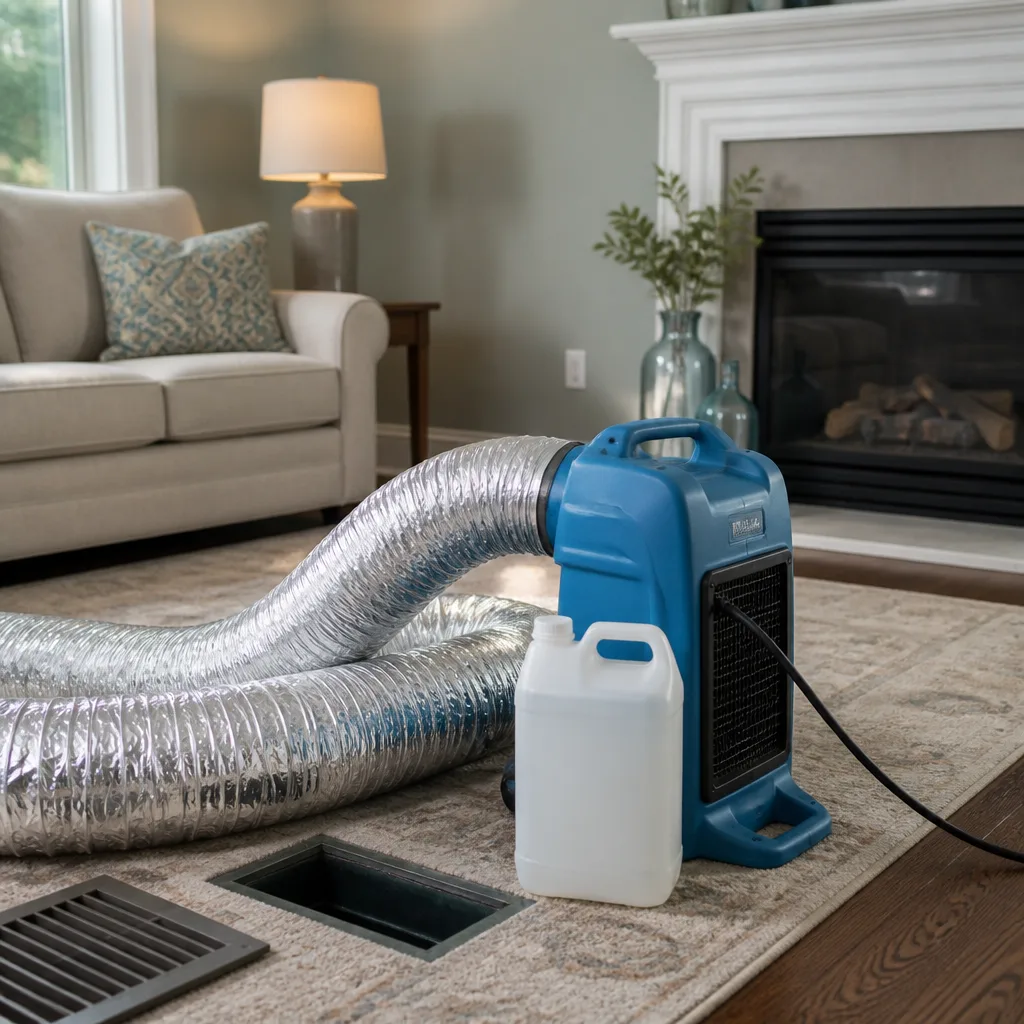
Equipment verification. The written record should note the equipment used. Professional-grade systems from trade-recognized manufacturers - Rotobrush, Nikro, Abatement Technologies, Honeywell, Aprilaire, Guardsman - operate at specifications that portable shop vacuums cannot approach. Homeowners can verify these specifications independently.
365-Day Done Right Promise documentation. A written guarantee, not a verbal assurance. If the work is not right, CleanRun makes it right - backed in writing on every job.
What the absence of documentation tells you: the job was likely performed without full system access, without component-level verification, and without accountability after the crew departs. A company that photographs nothing has nothing to stand behind.
Realistic Time Benchmarks: Square Footage vs. Duct Runs vs. Labor Hours
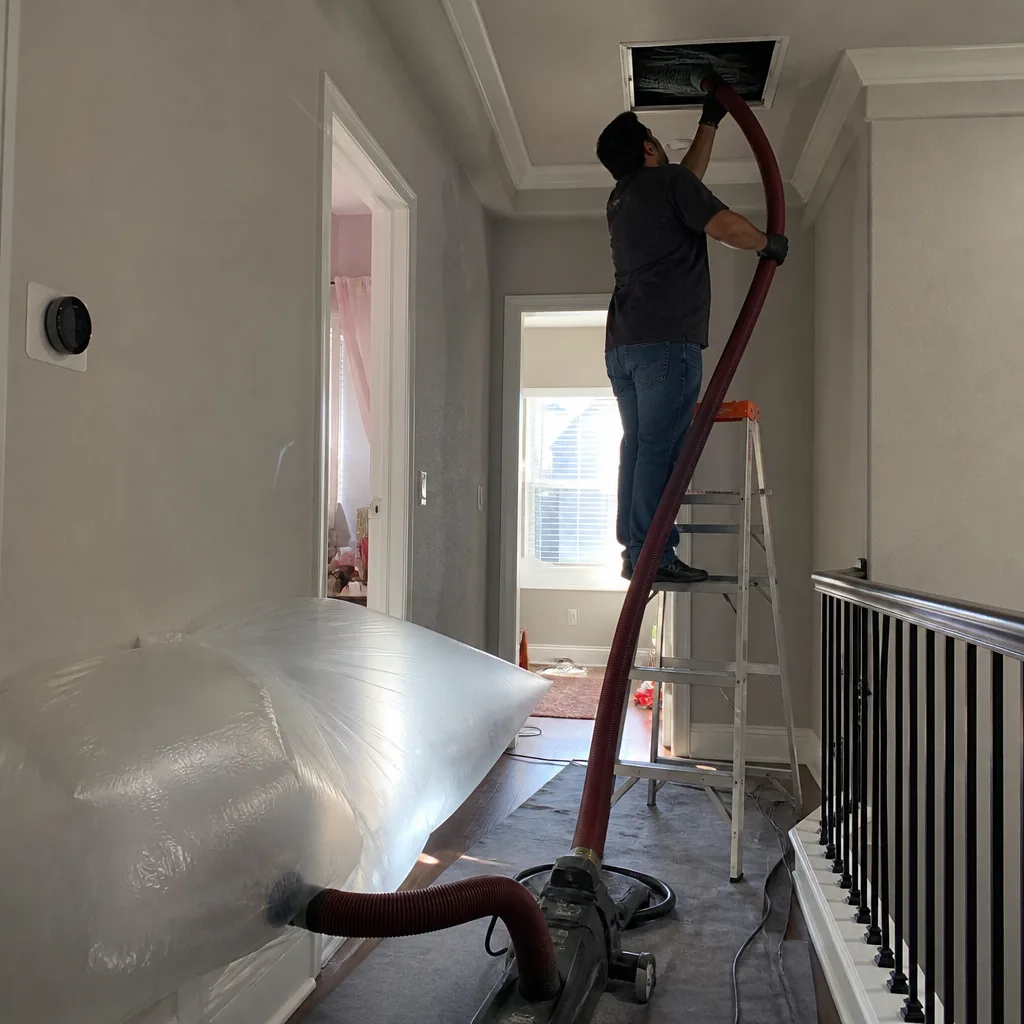
Time is the variable most homeowners have no framework to evaluate. Here are the actual labor requirements for a complete residential cleaning in Frisco.
| Home Size | Typical Duct Runs | Minimum Labor Hours | Full Scope with Documentation |
|---|---|---|---|
| 1,500-2,000 sq ft | 8-10 supply runs | 2.5-3 hours | 3-4 hours |
| 2,000-3,000 sq ft | 10-14 supply runs | 3-4 hours | 4-5 hours |
| 3,000-4,500 sq ft | 14-20 supply runs | 4-5.5 hours | 5-7 hours |
| 4,500+ sq ft or zoned systems | 20+ runs, multiple air handlers | 6+ hours | 7-10 hours |
These times assume:
- Standard attic or crawl-space access
- No duct repair or sealing required
- Single air handler; zoned systems with multiple handlers add proportional time
- Professional negative-pressure extraction equipment, not portable vacuums
The 45-minute “cleaning” common in coupon operations covers approximately 2-3 supply runs at register level, with no trunk, plenum, or air handler access. This is not a faster version of the same job - it is a different job entirely, with different equipment, different outcomes, and no documentation.
Frisco’s larger new construction - homes in Starwood, Phillips Creek Ranch, and similar developments at 3,500+ square feet with 16+ duct runs - particularly suffer from time-underestimated bids. A crew that budgets 90 minutes for a 5,000-square-foot home must skip components to meet that schedule.
How to Read a Cleaning Report
If you have had duct cleaning performed, or are evaluating a proposal, the written report reveals what was actually done. Here is how to read it.
Check the component list against the scope. The report should explicitly name: supply runs (with count), return ductwork, return plenum, main supply trunk, main return trunk, air handler cabinet, blower compartment, and registers/grilles. Absence of any item means it was not cleaned.
Verify photo count and timestamps. A 12-run system should produce a minimum of 24 images (before and after for each run), plus plenum and air handler photos. Timestamps should show progression over hours, not minutes. Images clustered within a 20-minute window indicate register-level work only.
Examine debris description, not adjective inflation. A useful report states what was found: “3-inch debris accumulation at first elbow of supply run to master bedroom,” or “blower wheel coated with adhered dust layer reducing fin visibility.” Vague phrasing like “ducts were dirty” or “significant buildup” communicates nothing specific and permits no verification.
Review equipment notation. The report should name the vacuum and agitation equipment used. “Portable vacuum” or “HEPA vacuum” without manufacturer or model is insufficient. Professional equipment from Rotobrush, Nikro, or Abatement Technologies operates at documented airflow and negative-pressure specifications.
Confirm warranty terms in writing. A verbal “satisfaction guarantee” is not enforceable. The report should include the written guarantee terms, duration, and process for invoking it. CleanRun’s 365-Day Done Right Promise appears in writing on every job record.
Reports that omit component lists, photo timestamps, equipment specifics, or written warranty terms are designed to prevent evaluation, not enable it.
What Air Duct Cleaning Costs in Frisco
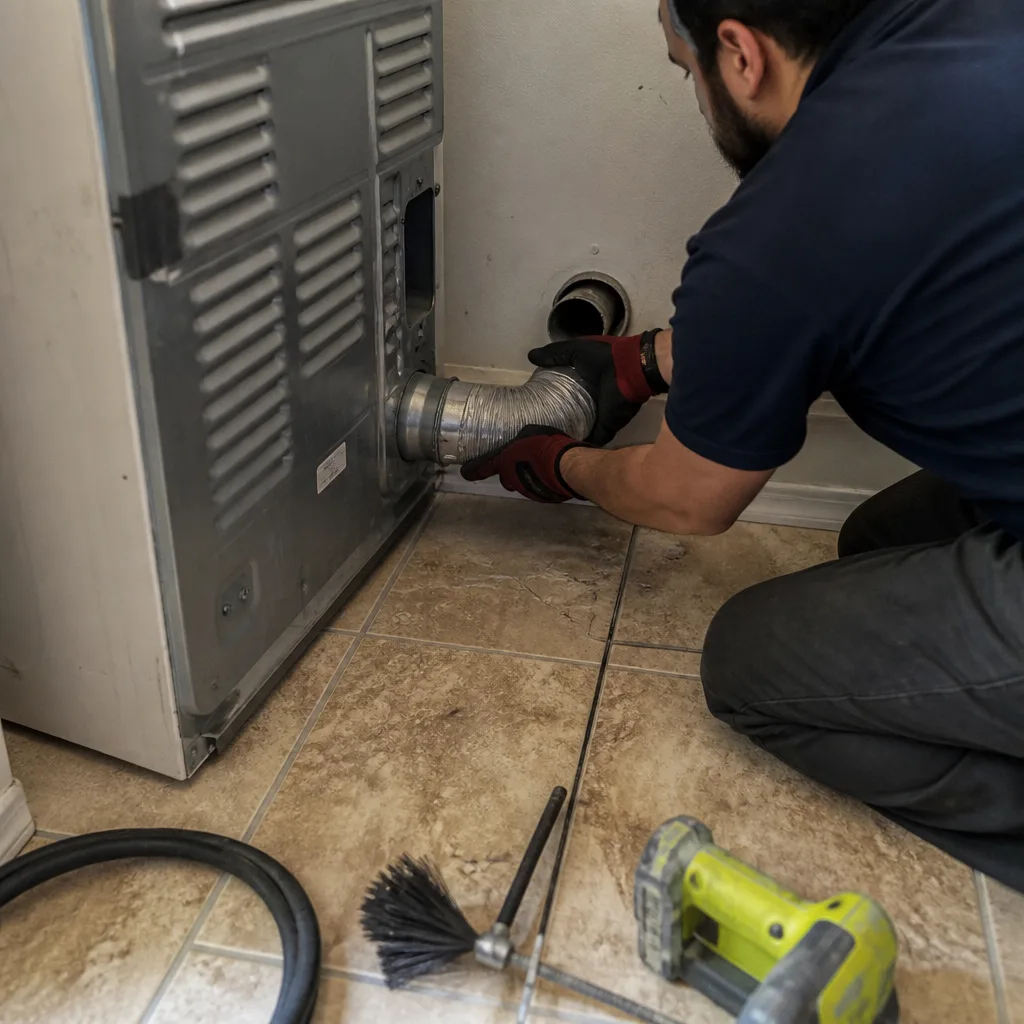
Price transparency is the central problem in this industry. The $79 coupon exists to create a foot-in-the-door, after which the actual invoice typically reaches $400-$800 through per-vent add-ons, “required” sanitizing, and contamination discoveries. This structure is intentional, not exceptional.
Here is what honest, whole-system pricing looks like in the Frisco market:
| System Type | Price Range | What Determines Position in Range |
|---|---|---|
| Small home (1,500-2,000 sq ft, 8-10 runs) | $400-$550 | Accessibility, contamination level, single vs. multi-story |
| Mid-size home (2,000-3,000 sq ft, 10-14 runs) | $550-$750 | Run count, plenum condition, blower access difficulty |
| Large home (3,000-4,500 sq ft, 14-20 runs) | $750-$900 | Multiple returns, zoned systems, attic configuration |
| Very large or complex (4,500+ sq ft, 20+ runs, multiple handlers) | $900-$1,400 | System count, duct repair needs, labor hours |
These ranges reflect complete cleaning of all components described in this guide, with documented photo record, written scope, and equipment from trade-recognized manufacturers. Prices below these ranges indicate component omission, equipment downgrade, or a bait-and-switch structure.
CleanRun’s pricing operates under Haven Standard Clause 1: one flat price per system, agreed in writing before work starts, with no per-vent pricing and no post-arrival add-ons. The price you sign is the price you pay. This is not a marketing claim - it is a documented process on every job since 2013.
We also offer a Free Second Opinion on any written estimate. Bring a competitor’s quote; we will put our number next to it in writing, with component-by-component comparison, at no cost.
How to Choose an Air Duct Cleaning Company in Frisco
The selection criteria that actually predict quality are not the criteria most homeowners use. Our How to Hire a Air Duct Cleaning Contractor in Frisco: A Step-by-Step Guide covers this in depth; here is what to verify, in order of predictive value.
1. Written price before work starts. Any company that will not commit to a price in writing before arrival is signaling price flexibility that works against you. “Free estimate” that becomes a revised invoice on site is the standard bait-and-switch mechanism. Demand written price commitment under a specific clause or policy name - not a general “we’re honest” assurance.
2. Documented photo record as standard deliverable. Ask to see a sample report from a completed job. A company that photographs nothing, or offers photos as an upsell, has no verification mechanism and no accountability. At CleanRun, the Documented Photo Record is included on every visit - every duct run, before and after, timestamped - and has been since 2013.
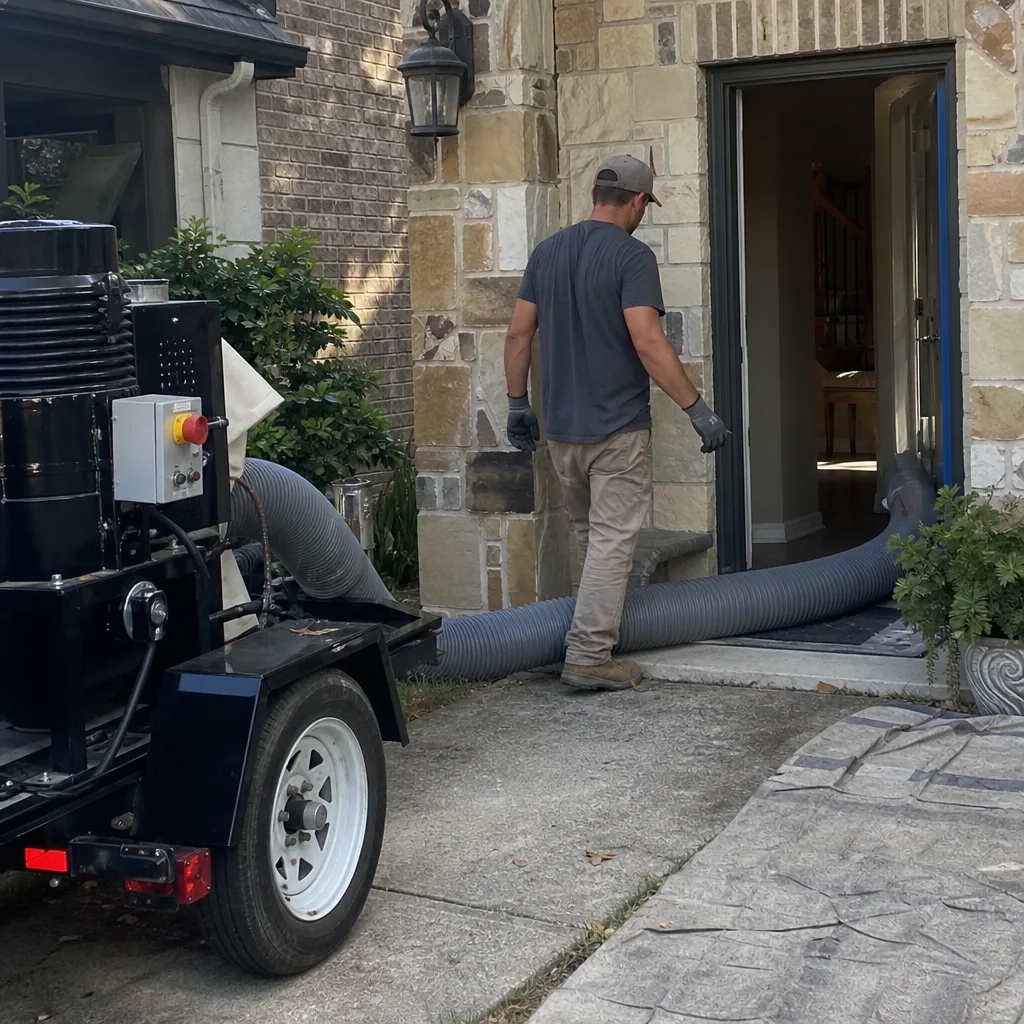
3. Verifiable equipment roster. Ask what vacuum and agitation equipment will be used. Professional-grade negative-pressure systems from Rotobrush, Nikro, or Abatement Technologies operate at 2,000+ CFM with HEPA filtration. Portable shop vacuums (common in coupon operations) operate at 100-200 CFM and cannot maintain negative pressure across a duct system. Equipment should be named by brand and model, not described with adjectives.
4. Crew verification protocols. Ask how technicians are identified and vetted. Haven Standard Clause 3: Verified Crews requires background checks, uniformed presentation, and name identification before arrival. You should know who is entering your home before they knock.
5. Written guarantee with specific terms. “Satisfaction guaranteed” is not a guarantee - it is a phrase. The 365-Day Done Right Promise specifies: if the work is not right, we make it right, with a defined process for resolution. It appears in writing on every job, not just in marketing materials.
6. Local operational history with accountability. A company that has served Frisco for years with documented outcomes has more at stake than a transient operator. CleanRun has served 52,000+ homes since 2013, every one with written price and photo record. That volume creates accountability - a pattern of outcomes that can be verified through reputation data, not claimed through advertising.
Avoid companies that: require phone calls for pricing (obscures comparison), advertise per-vent rates (creates open-ended invoices), use time-limited coupons (urgency theater), or cannot produce a sample job record (no verification possible). For more guides & resources on protecting yourself from bait-and-switch tactics, see our blog.
Common Mistakes to Avoid
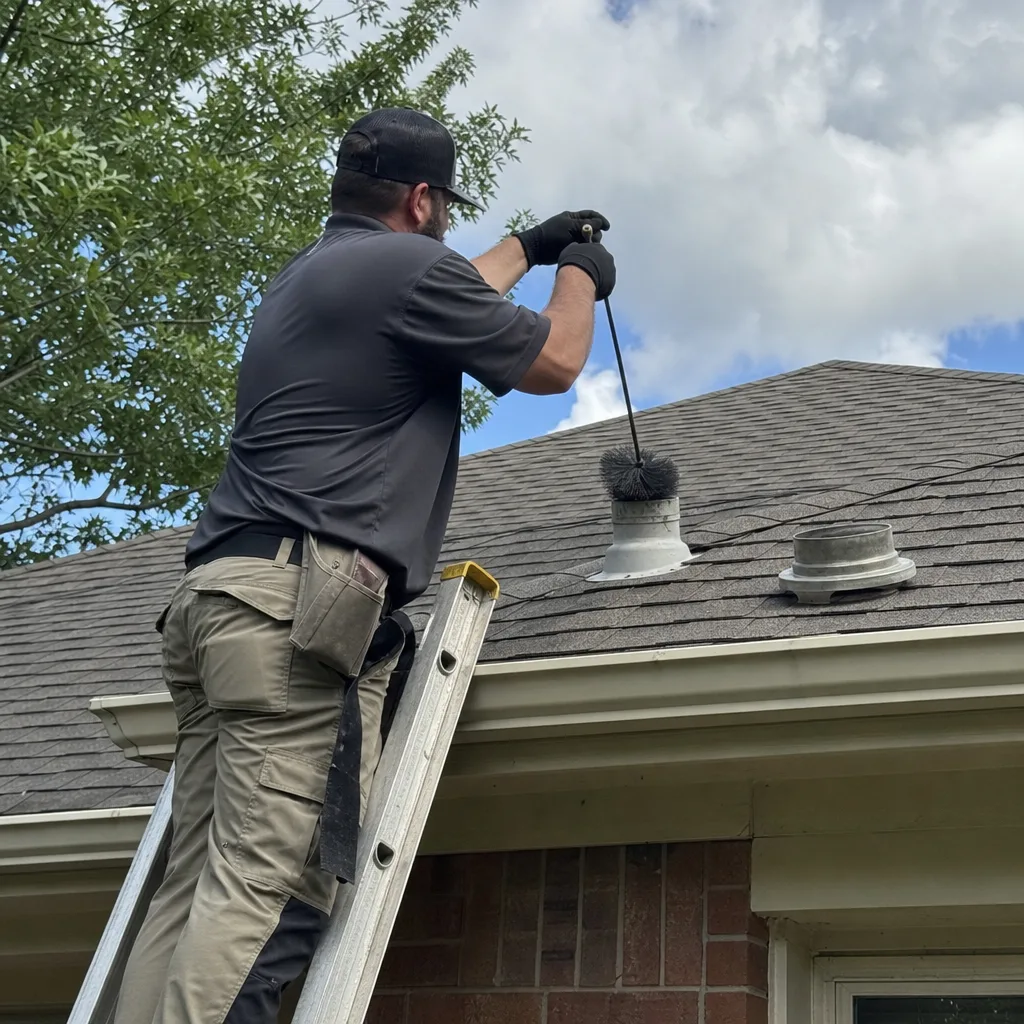
- Judging by price alone. The $79 coupon is not a discounted version of a $600 job - it is a different service with different equipment, scope, and outcomes. The true cost difference is not $521; it is the cost of paying twice when the first job fails to clean the system.
- Assuming new construction means clean ducts. Frisco homes built 2018-2023 often contain the highest debris loads we encounter, due to construction-phase contamination and post-move-in settling. Age of home does not correlate with duct cleanliness in high-growth markets.
- Accepting verbal scope descriptions. “We’ll clean everything” means nothing specific. Without a written component list, you have no basis to verify completion or invoke a guarantee.
- Ignoring the return side. Homeowners often inspect supply registers for visible dust while the return plenum - the unfiltered, highest-debris section - remains unexamined. A complete cleaning addresses both sides of the system.
- Scheduling without equipment verification. The tool determines the outcome. A company that will not name its vacuum and agitation equipment is concealing a specification that would not survive comparison.
- Failing to request the photo record before payment. Documentation is your only verification. If the crew departs without delivering photos and written scope, you have purchased an unverified service.
- Using “years since last cleaning” as the sole timing criterion. In Frisco’s construction environment, occupancy patterns, filter maintenance, and proximity to active development matter more than calendar time. A home with pets, nearby construction, or irregular filter changes may need attention sooner than the standard 3-5 year interval.
When to Call a Professional
Call for evaluation when: visible debris at registers recurs within weeks of cleaning; airflow is noticeably reduced at distant rooms; HVAC runtime has increased without thermostat change; you have completed renovation or remodeling; or you have never had duct cleaning performed in a Frisco home built or occupied during active nearby construction.
Do not attempt to access the air handler cabinet or blower compartment yourself. These components contain electrical connections and moving parts that present genuine hazard without training and lockout procedures.
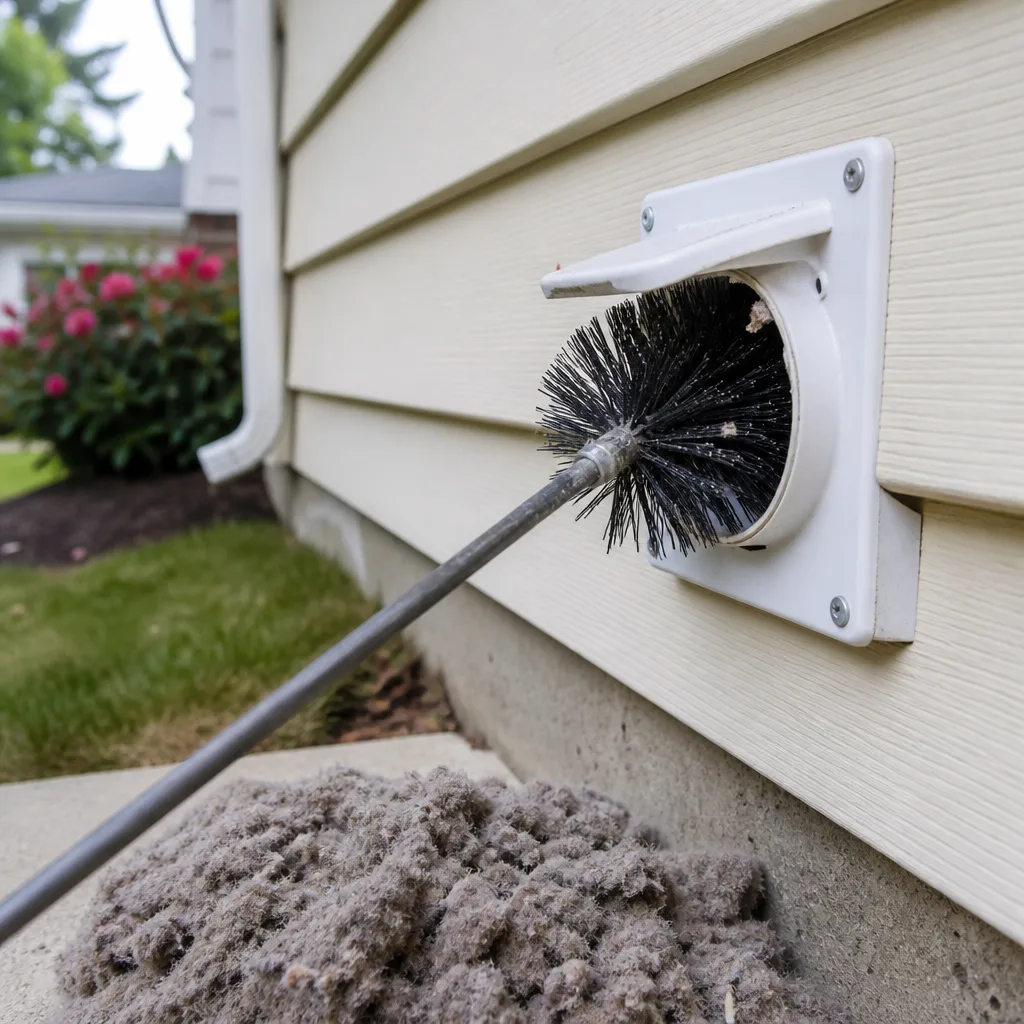
CleanRun Air Duct Cleaning Frisco offers free estimates in Frisco - call (940) 290-8552. Every estimate includes a written price under Haven Standard Clause 1, with no obligation and no post-arrival revision. We also provide Dryer Vent Cleaning in Frisco and HVAC Cleaning in Frisco as related services with the same documentation standard.
Frequently Asked Questions
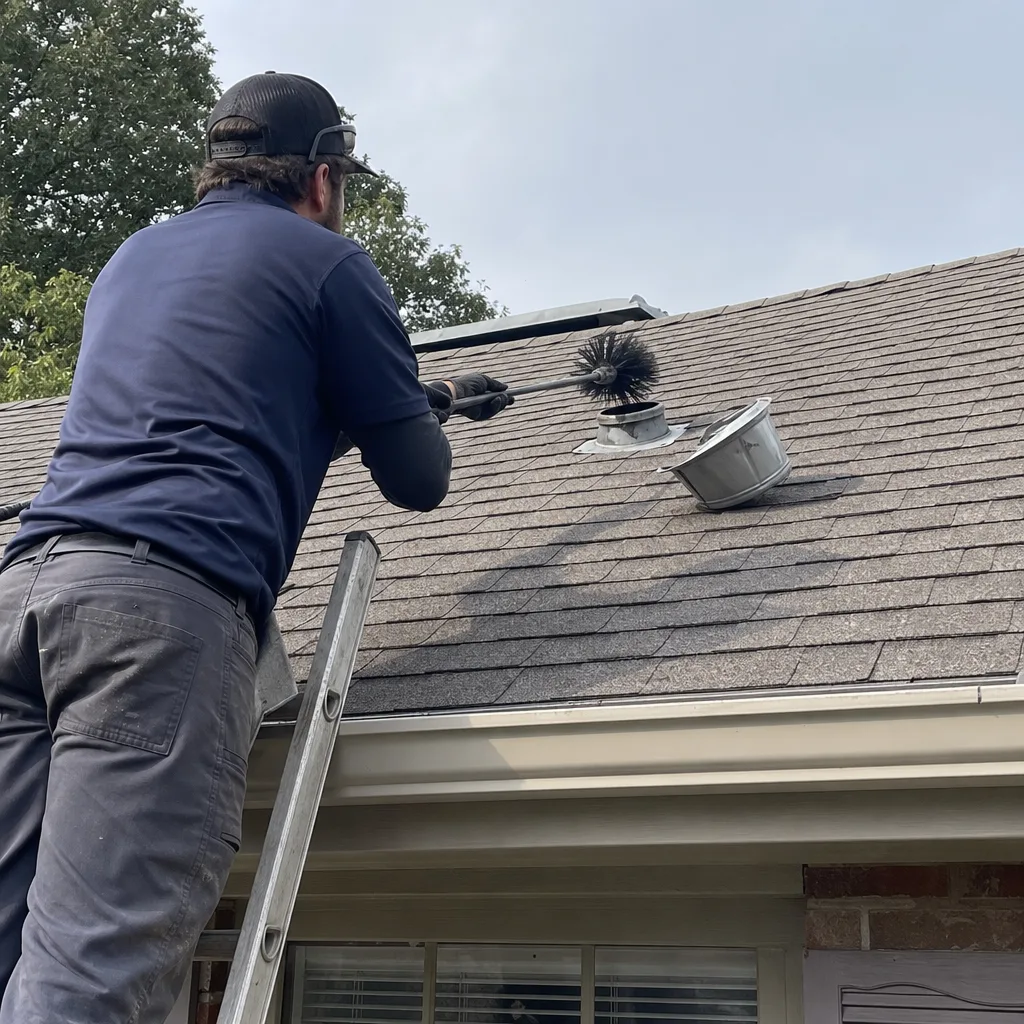
Complete residential air duct cleaning in Frisco ranges from $400 for smaller homes with 8-10 duct runs to $900 for larger homes with 16-20 runs, with very large or complex systems reaching $1,400. Prices below $400 typically indicate partial scope, portable equipment, or a bait-and-switch structure that adds charges on site. Call (940) 290-8552 for a written estimate at no cost - the price we put in writing is the price you pay.
Low quotes omit components, use inadequate equipment, or employ a deliberate bait-and-switch model where the advertised price covers minimal work and the crew identifies “additional needs” after arrival. A $79 quote cannot fund 3-5 hours of labor, professional negative-pressure equipment, and documentation. The economics are impossible. The difference is not efficiency - it is scope reduction.
Require a documented photo record with timestamps for every duct run, the plenum, and the air handler, plus a written component list signed by the technician. Without this documentation, you have only the crew’s word. At CleanRun, the photo record is delivered as a standard job deliverable on every visit, and has been since 2013.
For most Frisco homes, every 3-5 years with standard 1-inch pleated filters changed quarterly. Homes near active construction, with multiple pets, with occupants who have respiratory sensitivity, or with a history of filter neglect may need 2-3 year intervals. New construction in Frisco’s high-growth zones often needs initial cleaning at 2-3 years due to construction-phase contamination.
Cleaning the blower wheel and evaporator coil can restore airflow and reduce runtime, which affects efficiency. Duct cleaning alone - removing debris from duct walls - has modest direct efficiency impact unless debris is severe enough to restrict airflow. The primary benefits are indoor air quality and system longevity, not energy savings. Any company promising significant utility bill reduction from duct cleaning alone is overstating the case.
A crew of two technicians arrives in a marked vehicle, identified by name before arrival under Haven Standard Clause 3. They walk the system with you, confirm the written scope and price, protect flooring and furnishings, create access openings as needed, clean each component with negative-pressure extraction, photograph before and after conditions, and deliver the photo record and written completion documentation before requesting payment. Typical duration is 3-5 hours for a mid-size Frisco home.
The Bottom Line
Air duct cleaning in Frisco is not a commodity service - it is a scope-dependent, equipment-dependent, documentation-dependent technical job. The difference between a complete cleaning and a coupon visit is not price optimization; it is whether your system was actually cleaned or merely vacuumed at register level. Judge every bid against these criteria: written price before work starts, component-level scope, professional equipment you can verify, timestamped photo record by duct run, and written guarantee with specific terms. Anything less is a purchase you cannot evaluate and a company that cannot be held accountable.
Written by Tomas Reyes, Owner at CleanRun Air Duct Cleaning Frisco, serving Frisco since 2013.