
Last updated September 23, 2026
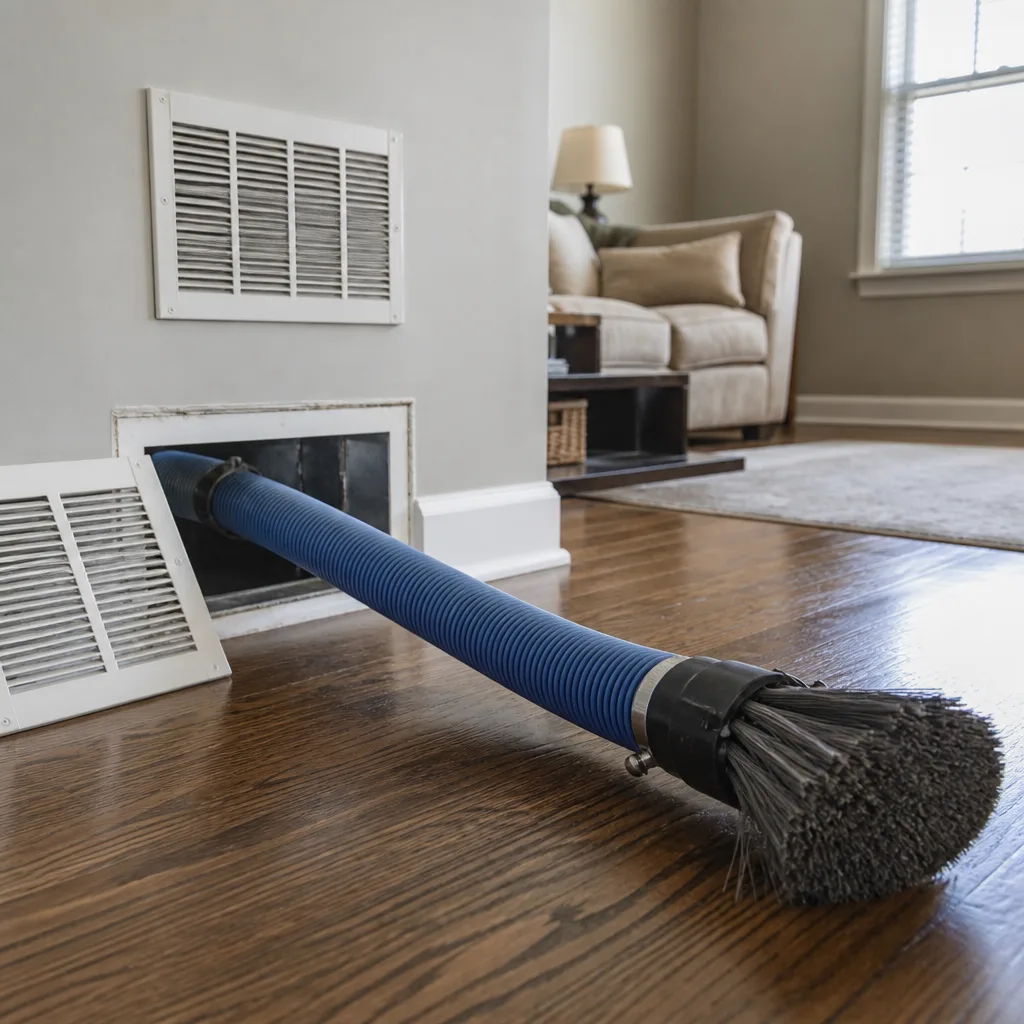
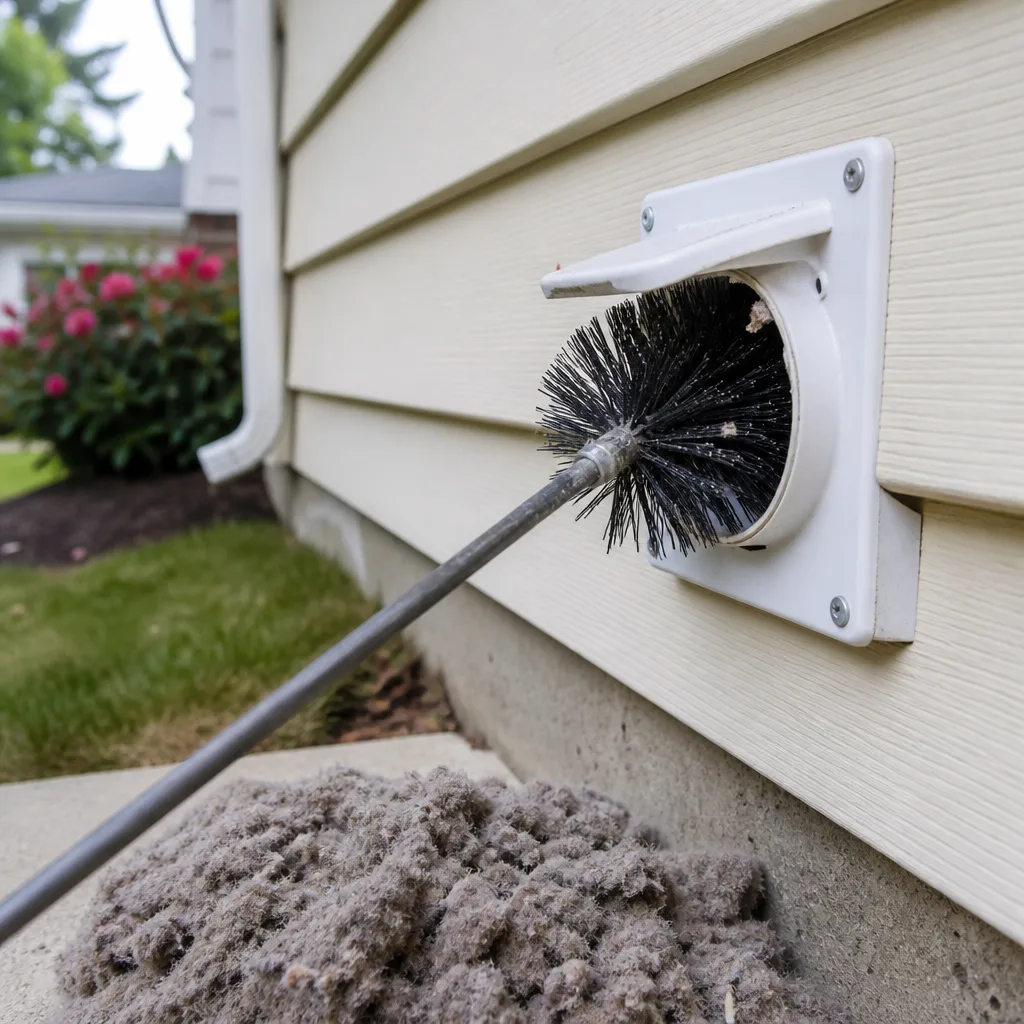
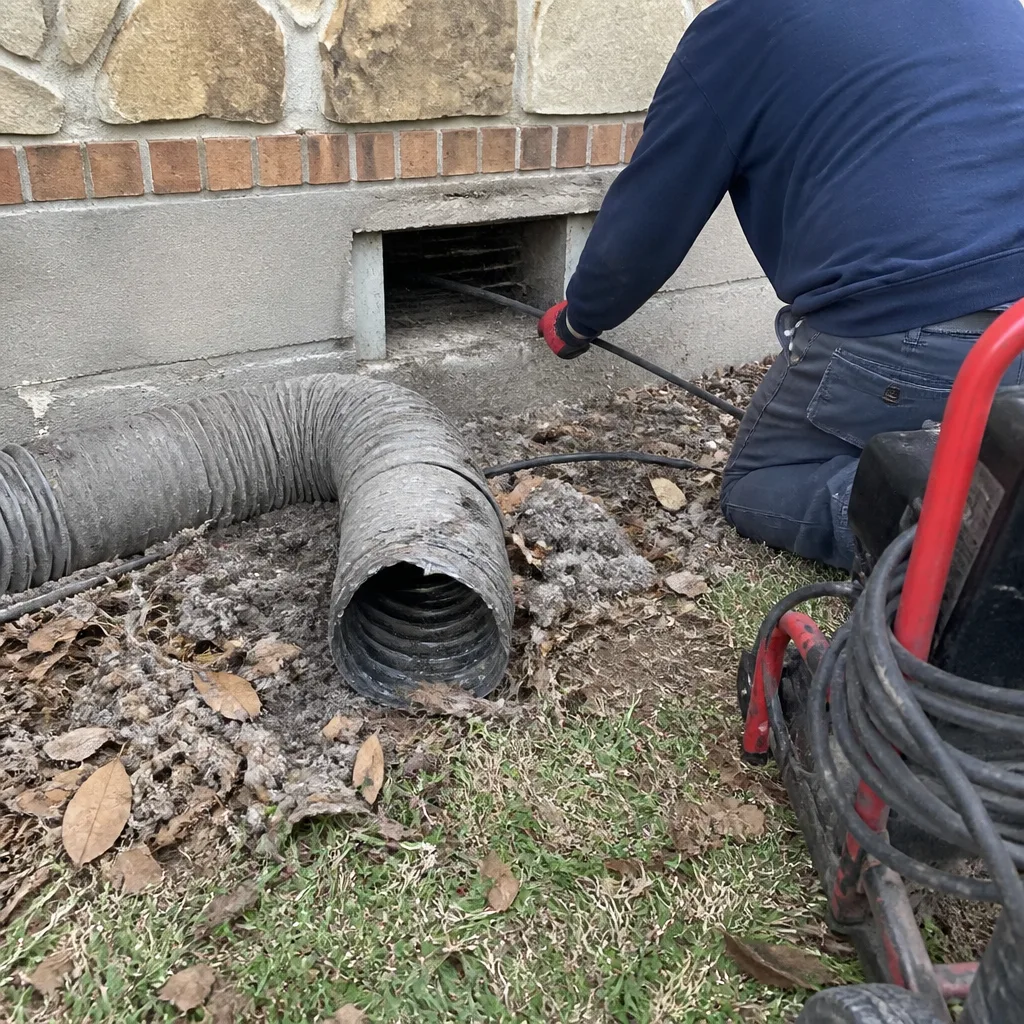
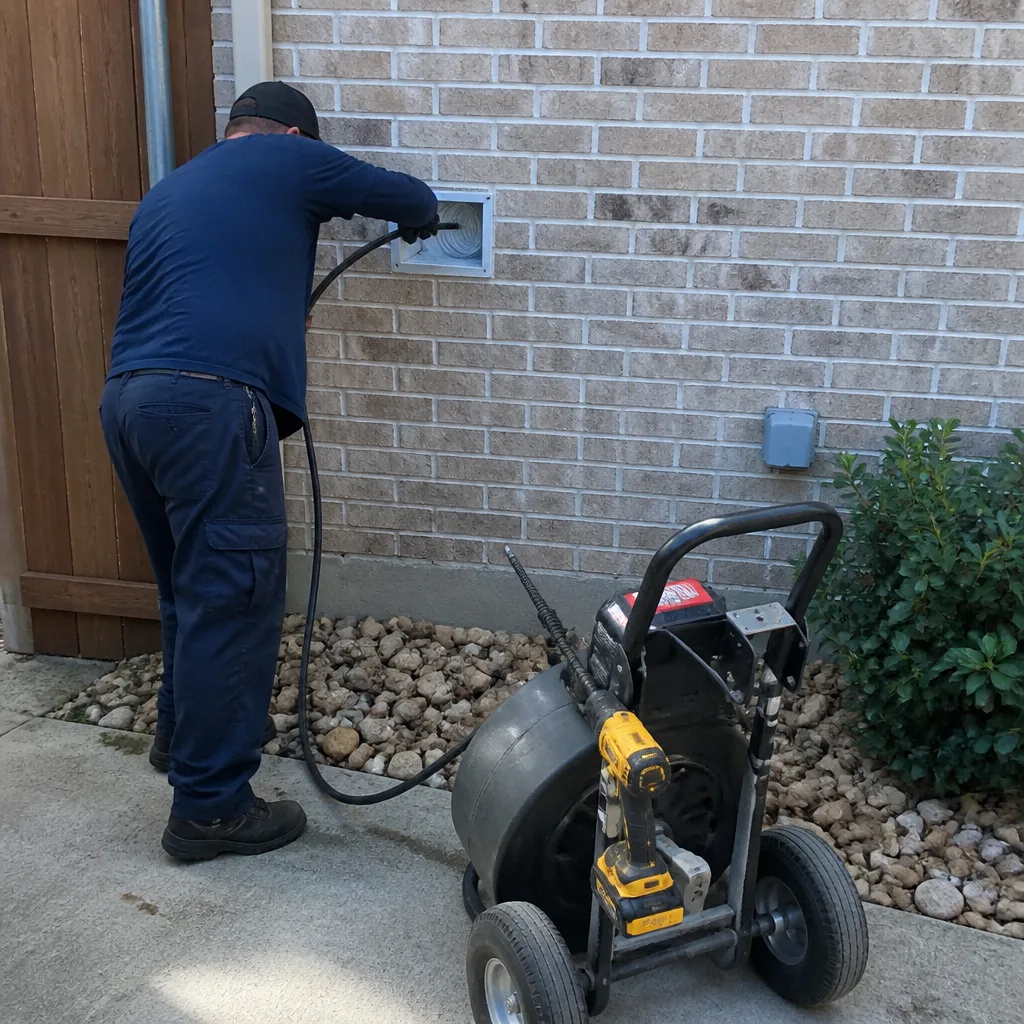
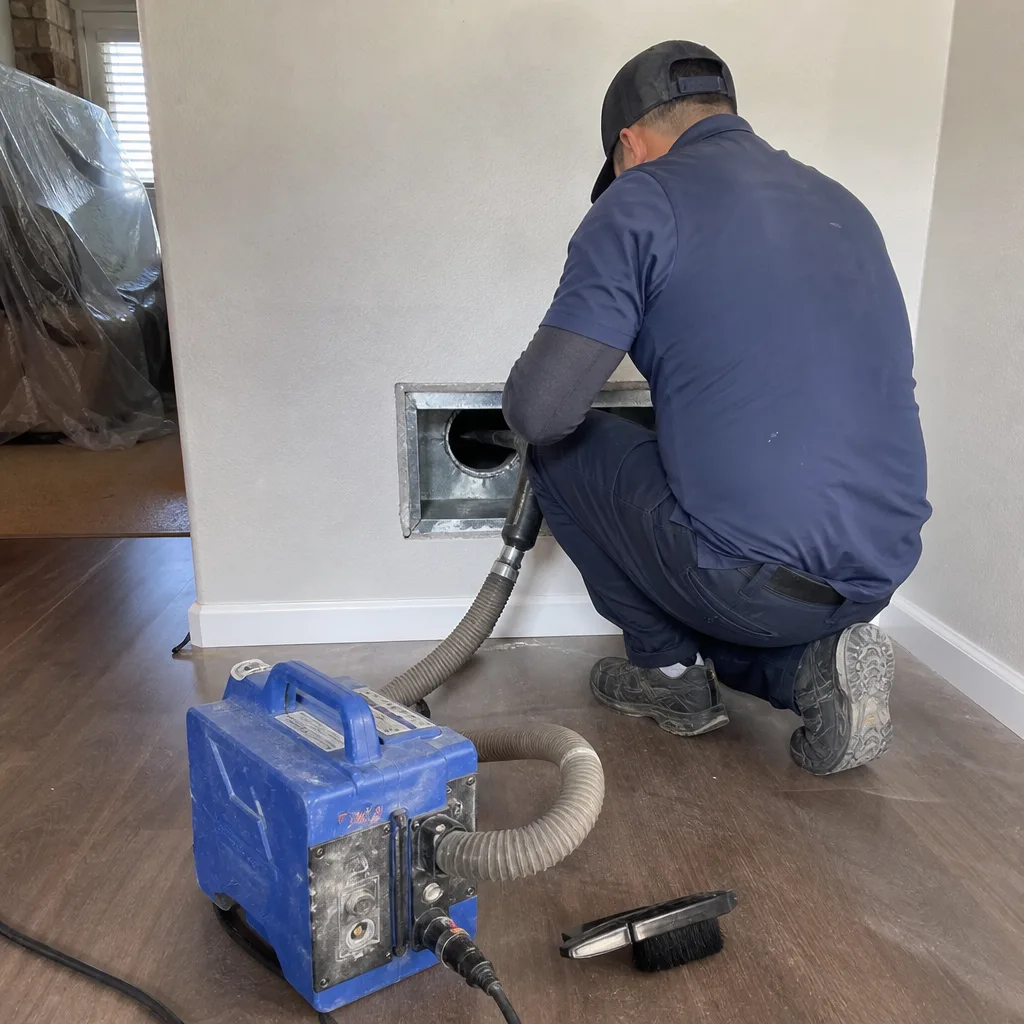
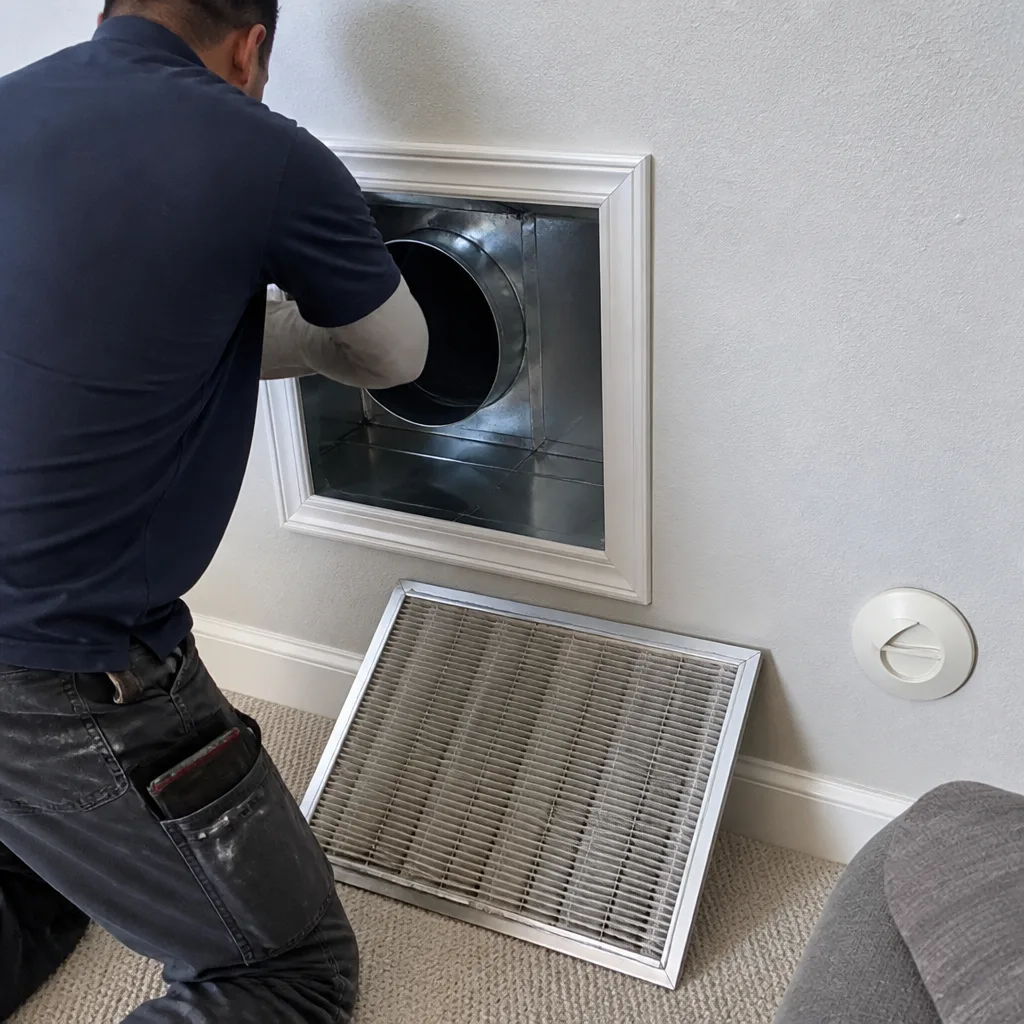
Whole-system duct and dryer vent check with before-and-after photos - you see exactly what came out of your vents
That "$99 whole-house special" is a bait ad - the real number appears once they are in your hallway, or the "clean" is a shop-vac at the register. We photograph the inside of your ducts before and after instead.

 Before
 After
After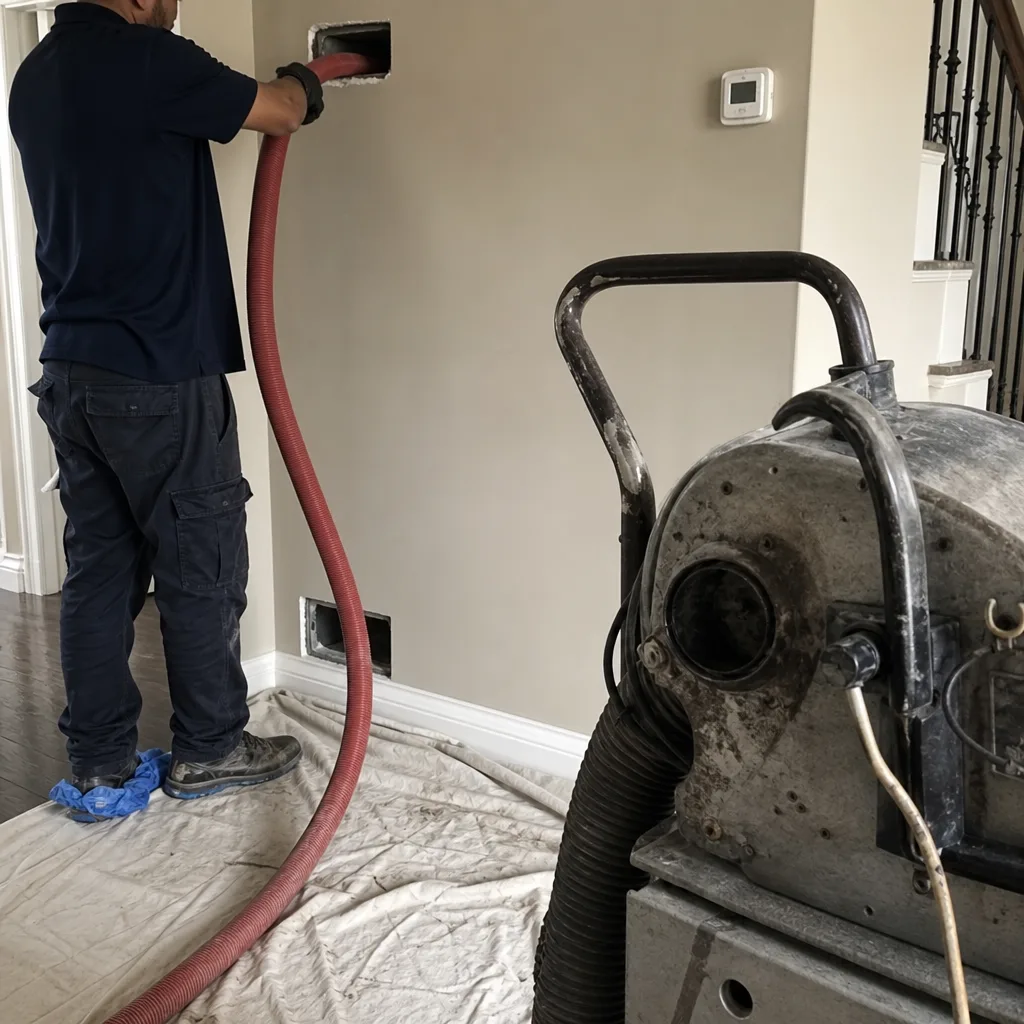 Before
 After
After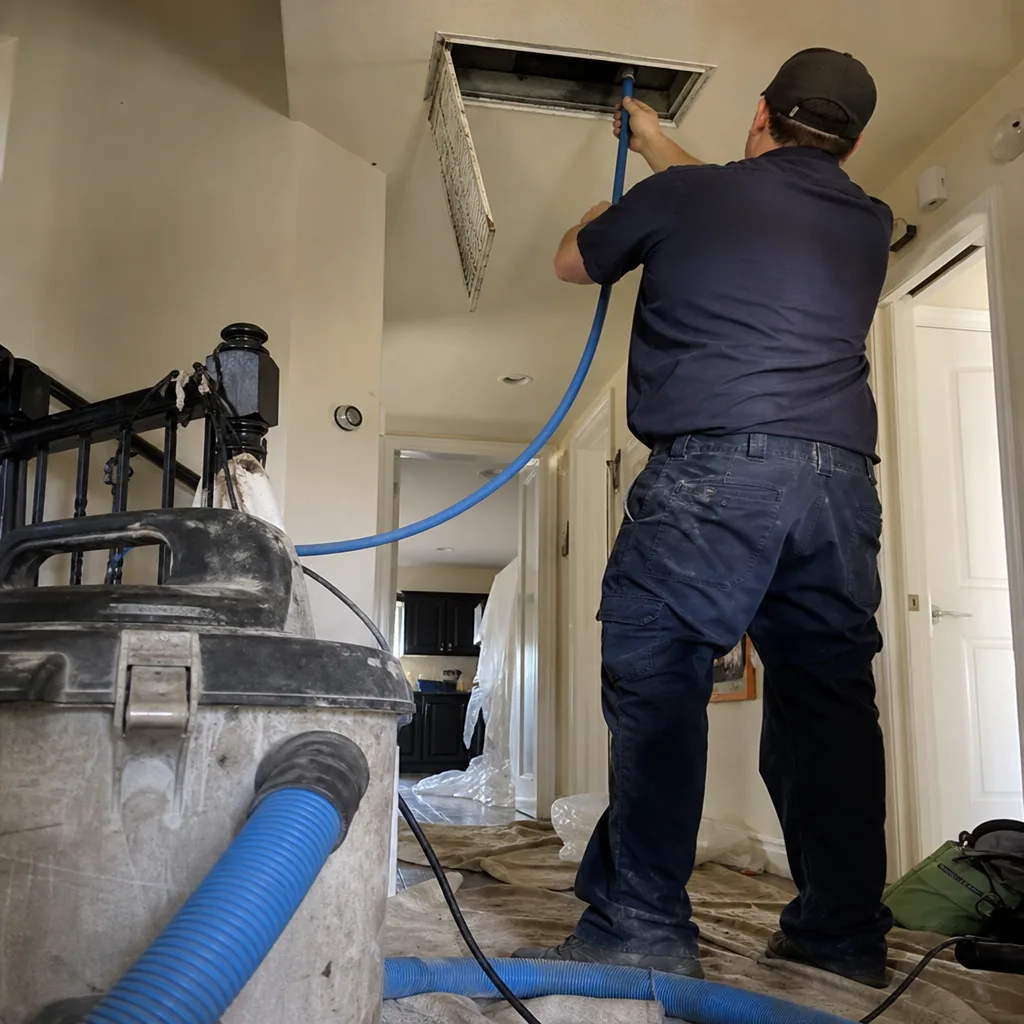 Before
 After
AfterSeasonal Air Duct Cleaning Care for Frisco: Year-Round Homeowner’s Guide
Frisco issued more than 400 residential building permits in a single recent quarter. If you live within a mile of active construction, your duct system is operating in a different environment than the national “clean every 3-5 years” recommendation was written for. This guide maps specific maintenance actions to the actual conditions that hit Frisco ducts each season: spring construction dust and pollen compaction, summer cooling-system strain, fall’s highest-value cleaning window, and winter thermal cycling in unconditioned attics. You’ll learn what to check, what to document, and when Air Duct Cleaning services pay for themselves in this market.
Quick Answer
Frisco homeowners should treat duct maintenance as a quarterly evidence-gathering practice, not a calendar appointment. Spring demands pollen and construction dust monitoring, summer requires coil and drain pan inspection adjacent to the duct system, fall offers the highest-value cleaning window before heating season, and winter calls for attic duct connection checks after thermal cycling. A simple Air Duct Cleaning Maintenance Checklist for Frisco Homeowners turns vague “every few years” advice into data-driven decisions specific to your home’s actual conditions.
Table of Contents
- Spring in Frisco: Pollen, Construction Dust, and Compacted Return Plenum Buildup
- Summer: Extended Cooling Season and Coil-Adjacent Conditions
- Fall: The Highest-Value Cleaning Window in North Texas
- Winter: Attic Duct Disconnects and Thermal Cycling Damage
- How to Keep a Seasonal Duct Condition Log
- What Professional Cleaning Costs in Frisco
- Common Mistakes to Avoid
- When to Call a Professional
- Frequently Asked Questions
BeforeAfterSpring in Frisco: Pollen, Construction Dust, and Compacted Return Plenum Buildup
North Texas cedar pollen peaks in late February through March; oak follows in April and May. In Frisco, where the 2020-2024 building boom left active construction sites scattered across neighborhoods from Phillips Creek Ranch to Lawler Park, this pollen doesn’t arrive alone. It mixes with fine particulate from grading, drywall cutting, and roofing - particles small enough to pass standard return grille filters and accumulate in the return plenum, the central chamber where all return ducts converge before reaching the air handler.
We’ve documented this combination in Frisco homes since 2013. The camera shows a distinct layer: pale yellow pollen bonded to darker construction dust, often forming a mat 2-4 inches thick at the first elbow of the return plenum. This isn’t loose debris that shakes free. It’s compacted by repeated humidity cycling and the negative pressure of the return airflow. A standard 1-inch pleated filter, changed monthly during peak season, catches perhaps 60-70% of this load. The remainder deposits where the air slows at duct elbows and plenum walls.
What to check in April and May:
- Filter color and texture. A filter that turns gray-yellow within two weeks, not four, signals elevated particulate load.
- Register airflow pattern. Hold a tissue near supply registers. Weak or uneven airflow from rooms farthest from the air handler suggests return-side restriction.
- Visible dust at return grilles. Accumulation on the grille slats themselves, not just behind them, indicates the filter is bypassing or overloaded.
- Odor on first cooling startup. A musty or “green” smell when the AC first cycles in late March suggests microbial activity on organic debris in the plenum.
The construction factor matters specifically in Frisco. In Starwood and Grayhawk, where infill building continues alongside established homes, we’ve measured return plenum debris loads 40-60% higher than in comparable-age homes farther from active sites. The particulate is finer, too - PM2.5 and smaller - which penetrates deeper into the duct run before depositing.
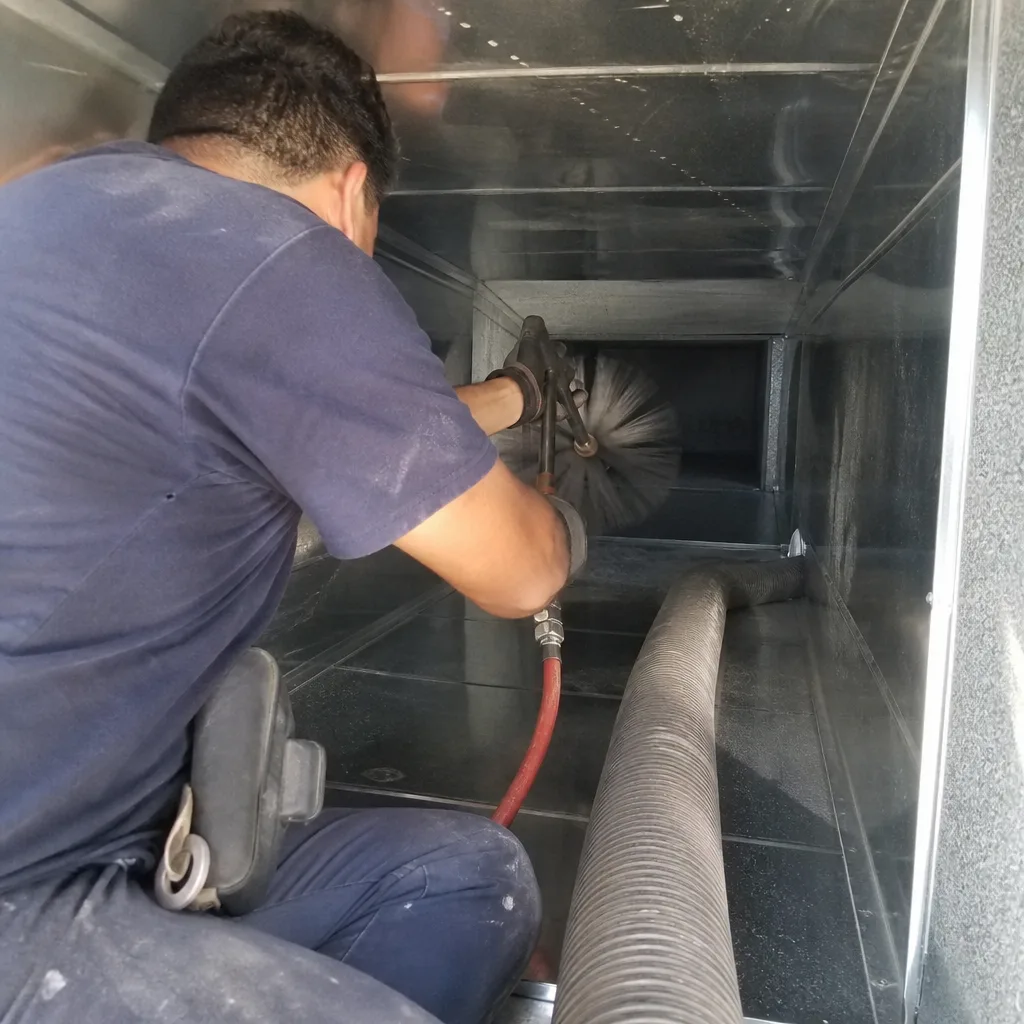
If you observe two or more of the four indicators above, spring is not too early for a professional cleaning. The Air Duct Cleaning in Frisco service from CleanRun includes negative-pressure extraction with Rotobrush contact agitation, which breaks the pollen-dust bond that compressed air alone won’t dislodge. Every run is photographed before and after; the photo record shows whether the compaction was localized or system-wide.
Summer: Extended Cooling Season and Coil-Adjacent Conditions
Frisco’s cooling season typically runs May through October, often stretching past 150 days of active air conditioning. This isn’t a statistic for the weather page. It changes the operating conditions of everything adjacent to the duct system: the evaporator coil, the condensate drain pan, and the plenum walls that separate conditioned air from the attic.
The evaporator coil sits directly downstream of the return plenum and upstream of the supply ductwork. When it operates continuously for five months, two conditions develop that affect duct cleanliness:
- Coil fouling transfers to supply ducts. A coil clogged with dust and biofilm becomes a debris source, not a barrier. Particles slough off during defrost cycles and fan startup, entering the supply trunk and the first few duct runs. We’ve photographed this pattern in Frisco homes: clean ducts at the far end of the system, visible debris at the first and second supply branches.
- Drain pan overflow wets the plenum base. A clogged condensate line or cracked pan sends water into the return plenum or platform. In Frisco’s humidity, this creates the single condition that turns ordinary dust into active microbial growth: sustained moisture on organic material.
The HVAC Cleaning in Frisco service addresses this specifically, but the homeowner’s summer task is observation, not cleaning. Check the condensate line exit monthly - it should flow freely during operation. Note any water staining on the platform or plenum exterior. Listen for gurgling or bubbling from the drain pan, which indicates a partial blockage.
Thermal cycling in Frisco’s summer deserves mention. Daytime attic temperatures exceed 140°F; the plenum and trunk lines expand. At night, they contract. Over a 150-day season, this produces thousands of stress cycles at duct joints and flex connections. Summer is when small separations begin. They don’t leak visible air at first - pressure tests show them - but they do pull attic air into the system when the fan starts, introducing insulation fibers, rodent debris, and the fine dust that settles on attic decking.
Our recommendation: mid-summer, around July 4, perform a visual inspection of accessible ductwork in the attic. Look for:
- Disconnected flex duct at metal collars
- Sagging duct runs where straps have failed
- Dark staining on insulation wrap, indicating air leakage condensation
- Visible gaps at plenum seams, especially where rectangular trunk lines change direction
Document what you find with photos dated to the day. This becomes evidence for fall decisions.
Fall: The Highest-Value Cleaning Window in North Texas
October and November represent the optimal timing for professional duct cleaning in Frisco. This isn’t preference. It’s arithmetic based on what has accumulated and what is about to happen.
By fall, the duct system contains:
- Spring pollen and construction dust, partially compacted
- Summer coil debris and any drain pan overflow residue
- Continuous filtration load from five months of 24-hour circulation
- Any attic air intrusion from thermal-cycling separations
Heating season begins in late November or December. Unlike cooling, which moves air through the coil and dehumidifies, heating blasts dry, hot air through the same debris. Dust that was stable at 55°F supply temperature becomes airborne at 120°F. Odors dormant in summer humidity volatilize. The first heating cycle in a dirty system is often the one that triggers the call - and the homeowner assumes the problem is the furnace, not the ducts.
Cleaning in fall removes the accumulated load before heating forces it into the living space. It also permits inspection of the heat exchanger and combustion air pathways, which share the air handler cabinet with the duct connections. A clean plenum allows visual inspection of components that are obscured when dust coats every surface.
Frisco-specific fall considerations:
Ragweed and fall elm. September through early October brings a secondary pollen season. Homes with windows open during mild days - common in Stonebriar and Newman Village - introduce fresh allergen load even as the cooling season ends. This pollen is coarser than spring cedar; it deposits in supply ducts near the register, not deep in the system. It’s visible on white register fins and the ceiling surround.
Construction season overlap. Frisco’s building calendar doesn’t pause for pollen. Fall grading and foundation work for spring completions generates dust that behaves differently from summer particulate: cooler, denser air carries it less far, so homes within a quarter-mile of active sites see concentrated loading rather than distributed fine dust.
The value proposition: fall cleaning captures the full annual load in one service, prepares the system for heating season, and provides the photo documentation baseline for the following year’s comparison. CleanRun’s CleanRun Air Duct Cleaning Frisco home service includes this documentation as standard; Haven Standard Clause 1 requires the written price before work starts, and the photo record is delivered as a standard job deliverable, not an add-on.
Winter: Attic Duct Disconnects and Thermal Cycling Damage
Frisco winters are mild compared to northern markets, but the temperature swing is extreme in context. A January night at 22°F followed by a sunny afternoon at 58°F produces attic conditions that stress duct materials more than steady cold. Metal trunk lines contract sharply at night; flex duct stiffens and becomes brittle. Morning warmup forces rapid expansion. The thermal cycling that began in summer accelerates in winter because the delta-T - the temperature difference between attic and conditioned air - is largest.
The single most important duct-related task in a Frisco winter is checking for disconnections in unconditioned attic spaces. This is not a cleaning task. It’s a condition assessment that prevents the most expensive duct problem: heating air you’ve paid to warm into an attic that returns it to the outdoors.
What to look for during a January or February attic inspection:
- Visible gaps at flex-to-metal connections. The zip tie or clamp has loosened; the flex has pulled back 1-3 inches. This gap leaks conditioned air continuously when the fan runs.
- Insulation displacement. Blown fiberglass that has settled or blown away from a duct run indicates air velocity escaping the duct, moving the insulation like a leaf blower.
- Moisture on attic decking beneath ducts. Warm, humid conditioned air hitting cold attic surfaces condenses. This stains wood and, over seasons, damages decking.
- Uneven heating across rooms. A room that heated adequately last year but struggles this year often has a supply duct separation, not a furnace problem.
We find these conditions more frequently in Frisco homes built 2015-2020, during the rapid construction phase when duct installation quality varied with crew experience. In The Trails and Plantation Resort, where production pace peaked, we’ve documented separation rates higher than in older, slower-built neighborhoods. The issue isn’t builder quality broadly; it’s that thermal cycling is a cumulative stress, and five to nine years of Frisco temperature swings is enough to expose marginal connections.
Winter is also when homeowners notice odors most acutely. Windows stay closed. Air exchange drops. Any residual mustiness from summer moisture or fall pollen decay becomes apparent. If you’ve scheduled fall cleaning, this is the season that proves its value: a clean system has no odor source. If you skipped fall, winter complaints about “stale air” or “a smell when the heat first comes on” are the signal that deferred cleaning has become urgent.
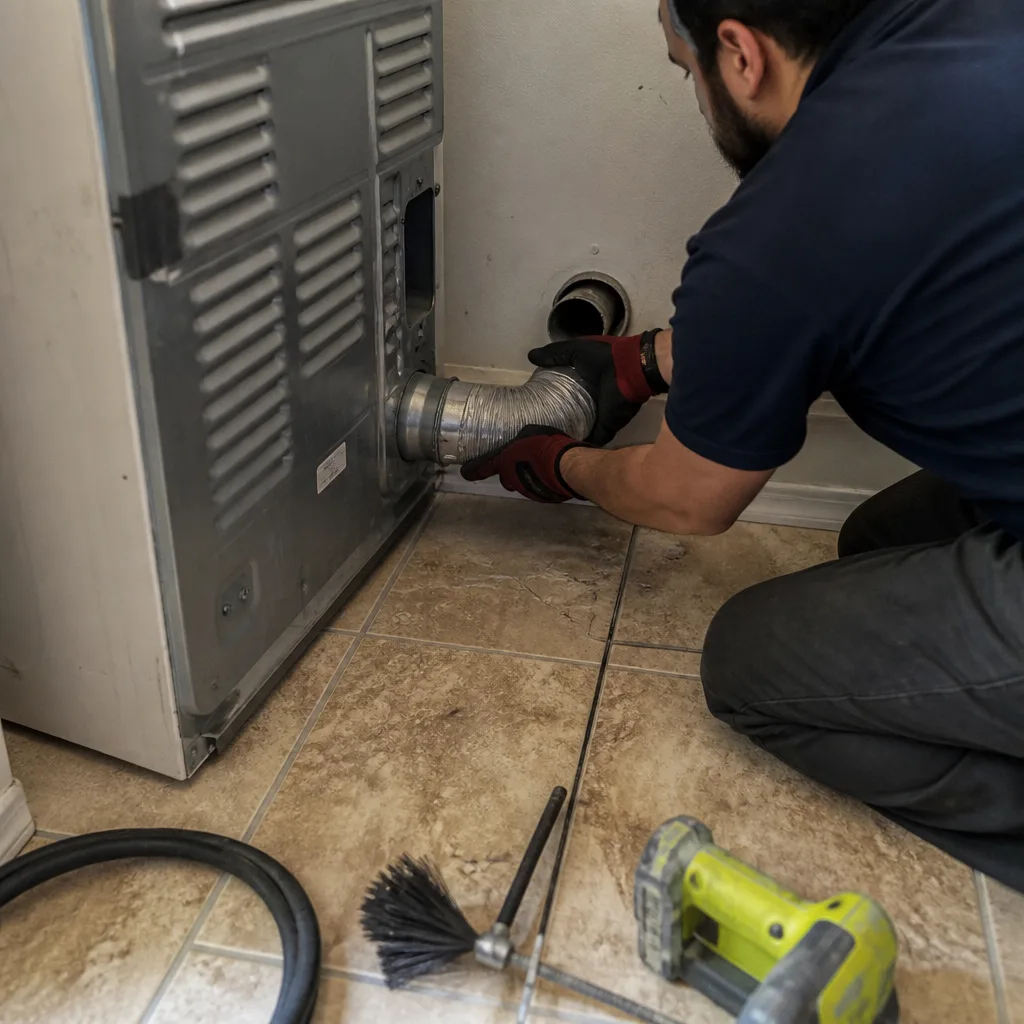
The Dryer Vent Cleaning in Frisco service pairs logically with winter duct inspection. Dryer vents share the same attic penetrations and thermal exposure; lint accumulation is highest in winter when heavy fabrics increase load. A blocked dryer vent also depressurizes the home, pulling more attic air through any duct leaks you’ve identified.
How to Keep a Seasonal Duct Condition Log
The national “every 3-5 years” recommendation fails in Frisco because it treats all homes as identical. Your home’s actual need depends on proximity to construction, tree canopy, HVAC runtime, and duct material age. A simple log turns these variables into actionable data.
We recommend a single page, paper or digital, with four quarterly entries. Each entry takes five minutes and requires no tools beyond a flashlight and your phone camera.
Template:
| Field | What to Record |
|---|---|
| Date | First day of the quarter |
| Filter condition | Color, thickness of loading, days since change |
| Register airflow | Strong / weak / uneven, by room |
| Odor on startup | None / musty / dusty / sharp (describe) |
| Visible debris | Register fins, grille surrounds, return intake |
| Attic duct condition | Gaps, sagging, insulation displacement, moisture |
| Nearby construction | New sites within 0.5 mile: yes / no, describe |
| Photo filename | Date_location_description.jpg |
After two years, this log reveals patterns specific to your home. One customer in Frisco Ranch discovered their filters loaded 40% faster in spring than fall, directly correlated with a construction site upwind. Another in Edgestone at Legacy traced a recurring musty odor to a condensate pan crack that only overflowed during July humidity spikes. Both used the log to time professional service for maximum effect, not maximum frequency.
The log also protects against unnecessary service. If four consecutive quarters show “filter light gray, airflow strong, no odor, no visible debris,” your system is cleaner than the national average and cleaning can wait. If spring entries show heavy loading and fall entries show register debris, you’ve documented the case for targeted service.
CleanRun technicians review customer logs on request during estimate visits. The data doesn’t change our inspection process, but it focuses our attention on the conditions the homeowner has already observed. Haven Standard Clause 2, Transparent Scope, requires that we explain what we find in reference to what you’ve reported - not in isolation.
What Professional Cleaning Costs in Frisco
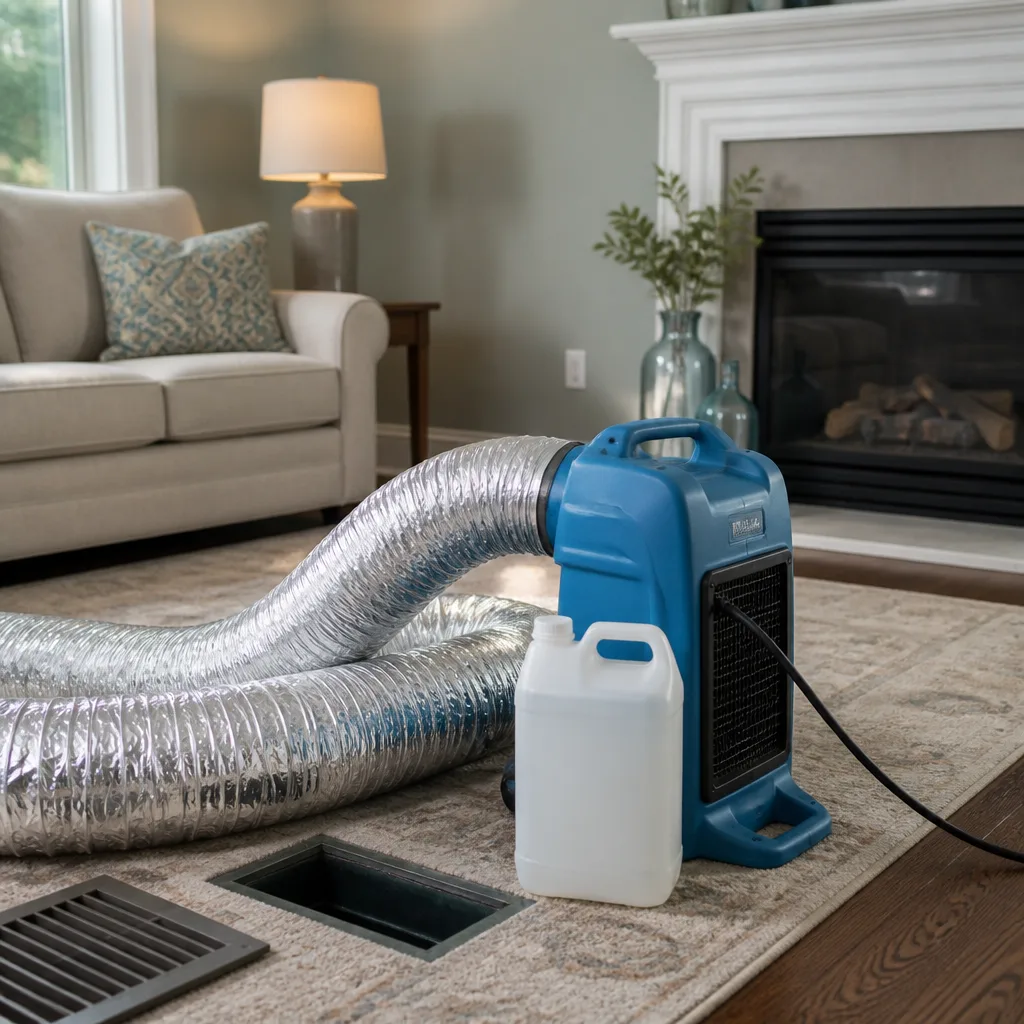
Our Air Duct Cleaning Cost Breakdown: The Frisco Homeowner’s Reference for 2026 shows whole-system air duct cleaning in Frisco typically ranges from $450 to $850 for a single HVAC system in a home between 2,000 and 4,000 square feet. This covers the full negative-pressure extraction of all supply and return duct runs, the main trunk lines, and the plenum, with contact agitation using Rotobrush or Nikro equipment. Homes with multiple systems, extensive flex duct in attic spaces, or accessibility constraints (crawl spaces, finished basements) may extend toward $1,100-$1,400.
What the price includes at CleanRun:
- Written scope and price before work begins - Haven Standard Clause 1, no exceptions
- Documented Photo Record of every duct run, before and after, delivered as standard
- Negative-pressure extraction with professional-grade equipment (Rotobrush, Nikro, Abatement Technologies)
- Register and grille removal, cleaning, and reinstallation
- Plenum access and cleaning, including the return chamber where spring compaction occurs
- 365-Day Done Right Promise in writing
What affects price legitimately:
| Factor | Typical Impact |
|---|---|
| Second HVAC system | Adds $300-$500 |
| Duct repair or sealing needed | Quoted separately after inspection |
| Sanitizing treatment | $150-$250 additional, only if microbial growth is documented |
| Dryer vent cleaning (same visit) | $120-$180 when bundled |
The competitor pricing landscape in Frisco deserves direct address. The $79-$129 coupon offers that arrive in mailers and social media feeds represent a different service entirely: a vacuum hose inserted at one or two points, run for 30-45 minutes, with no register removal, no photo documentation, and no plenum access. The equipment is often a shop vacuum or a low-flow portable, not the negative-pressure systems from Honeywell, Aprilaire, or Guardsman that maintain controlled airflow during cleaning.
The math is straightforward. A typical Frisco home has 12-18 duct runs. Proper cleaning requires 15-25 minutes per run for access, agitation, extraction, and photo documentation. That’s 3-7 hours of technician time, plus equipment depreciation, fuel, insurance, and the documented deliverable. A $79 price covers perhaps 90 minutes of labor and no deliverables. The industry term is “blow-and-go,” and it leaves the system essentially unchanged.
CleanRun’s Free Second Opinion applies here. Bring any written estimate; we’ll itemize our scope beside it so the difference is visible, not verbal.
Common Mistakes to Avoid
- Waiting for visible dust at registers. By the time debris reaches supply registers, the system has been overloaded for months. Register dust is a late indicator, not an early warning.
- Changing filters on a schedule without inspection. A filter that looks clean at 90 days in a low-dust winter may be saturated at 30 days during Frisco spring construction season. Inspect, don’t assume.
- Ignoring the return side. Homeowners focus on supply registers because they’re visible. The return plenum, hidden in the attic or closet, collects more debris and affects system performance more directly.
- Accepting “call for a quote” pricing. A price delivered only after the technician arrives creates pressure to accept whatever is offered. Written upfront pricing, per Haven Standard Clause 1, eliminates this dynamic entirely.
- Scheduling cleaning after heating problems appear. Fall cleaning prevents winter symptoms. Winter cleaning is reactive, often more expensive, and doesn’t address the season of heaviest system load.
- Using unverified “sanitizing” as a default add-on. Chemical treatments should follow documented microbial growth, not precede it. Demand photo evidence before agreeing to any sanitizing charge.
- Failing to document attic duct condition seasonally. Small separations caught in winter inspection are inexpensive repairs. The same separations left until summer cooling season waste hundreds in conditioned air.
When to Call a Professional

Call for professional service when your seasonal log shows two consecutive quarters of deteriorating conditions, when you observe moisture or mold-like growth in the plenum or on registers, or when heating or cooling performance drops without thermostat or equipment changes. Persistent odors, visible debris at multiple registers, or any attic duct separation also warrant professional inspection.
CleanRun Air Duct Cleaning Frisco offers free estimates in Frisco. The estimate includes a written scope and price before any work begins, per Haven Standard Clause 1. Technicians are background-checked, uniformed, and identified by name before arrival, per Haven Standard Clause 3: Verified Crews. All calls are answered by a live person. Reach us at (940) 290-8552.
Frequently Asked Questions
Whole-system cleaning for a typical Frisco home ranges from $450 to $850 for a single HVAC system, with multi-system homes or complex access extending toward $1,100-$1,400. The price should include all duct runs, the plenum, register removal and cleaning, and documented before-and-after photos. Call (940) 290-8552 for a written estimate specific to your home - estimates are free.
$79-$129 offers typically cover a brief vacuum insertion at one or two points with no register removal, no plenum access, and no documentation. Proper cleaning requires 3-7 hours of technician time, professional negative-pressure equipment, and a photo record of every run. The cheaper service leaves the system essentially unchanged. CleanRun’s Free Second Opinion lets you compare any written estimate against our itemized scope.
Demand a documented photo record of every duct run, before and after. CleanRun includes this as standard on every job, delivered to the customer as part of the job record. If a company cannot or will not show you the inside of your ducts, you have no verification that cleaning occurred.
Homes near active construction, with heavy tree pollen exposure, or with older flex duct may need cleaning every 2-3 years. Homes with minimal nearby dust sources and tight duct systems may extend to 4-5 years. The seasonal log described in this guide replaces generic intervals with data specific to your home’s conditions.
Homeowners can and should change filters quarterly, inspect registers and visible ductwork, and maintain the seasonal log. Professional cleaning requires negative-pressure containment equipment, contact agitation tools, and access to the full duct system including the plenum. Attempting to clean ducts with household vacuums risks damaging flex duct and releases debris into the living space without proper extraction. For safety and effectiveness, professional service is recommended for whole-system cleaning.
Fall cleaning removes the accumulated load of pollen season and extended cooling operation before heating forces debris into the living space. Spring cleaning addresses fresh pollen and construction dust but occurs before the heaviest system runtime. For most Frisco homes, fall offers the highest return on investment because it prepares the system for the season of greatest temperature differential and indoor air exposure.
The Bottom Line
Frisco’s climate and construction patterns create distinct duct conditions each season that a fixed cleaning interval ignores. Spring brings pollen-construction dust compaction in return plenums. Summer’s extended cooling loads the coil and stresses attic connections. Fall offers the optimal cleaning window before heating begins. Winter reveals thermal cycling damage that wastes conditioned air. A simple quarterly log - filter condition, airflow, odor, visible debris, attic duct status - turns vague advice into evidence-based decisions. See our more guides & resources for related home maintenance topics. Professional service, when needed, should deliver written pricing before work starts, documented photo records of every run, and accountability through a written guarantee. These are the standards CleanRun has applied since 2013.
Written by Tomas Reyes, Owner at CleanRun Air Duct Cleaning Frisco, serving Frisco since 2013.