
Last updated September 23, 2026
Whole-system duct and dryer vent check with before-and-after photos - you see exactly what came out of your vents
That "$99 whole-house special" is a bait ad - the real number appears once they are in your hallway, or the "clean" is a shop-vac at the register. We photograph the inside of your ducts before and after instead.
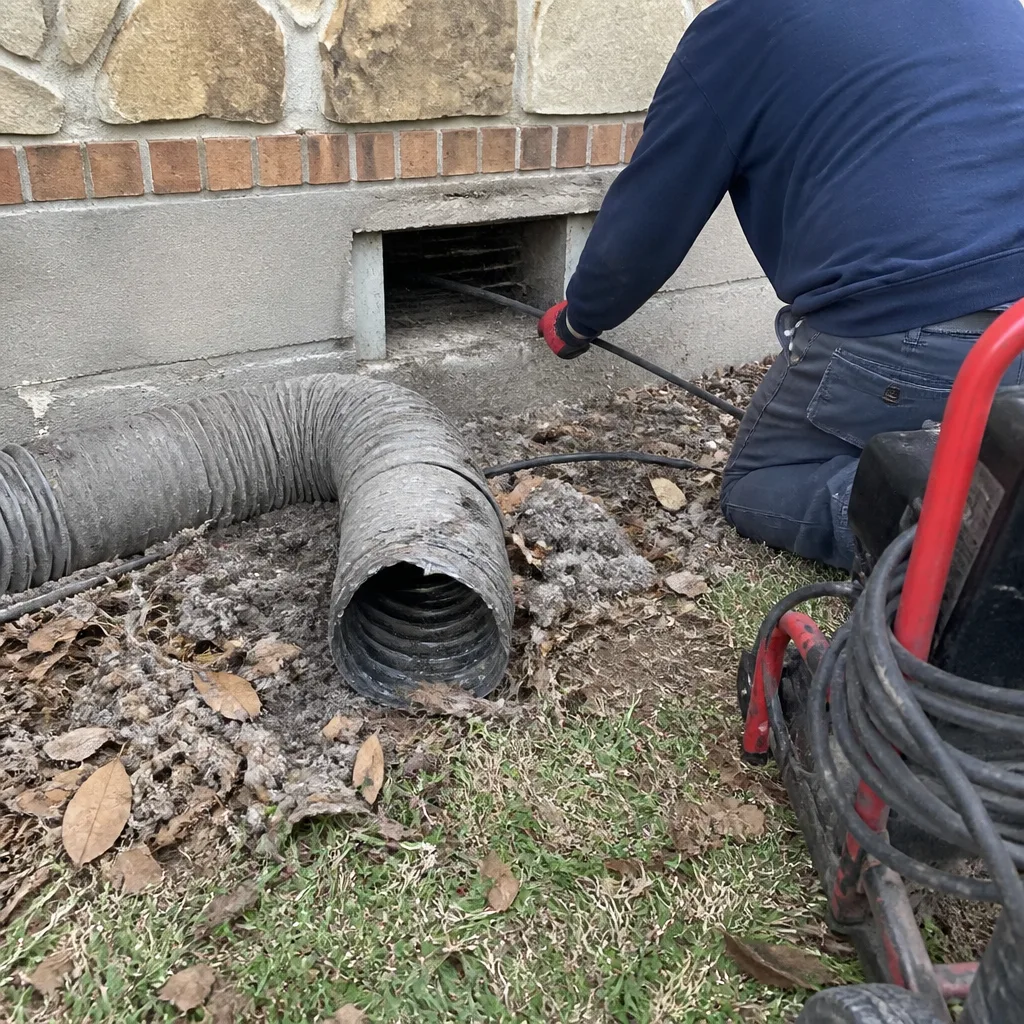 Before
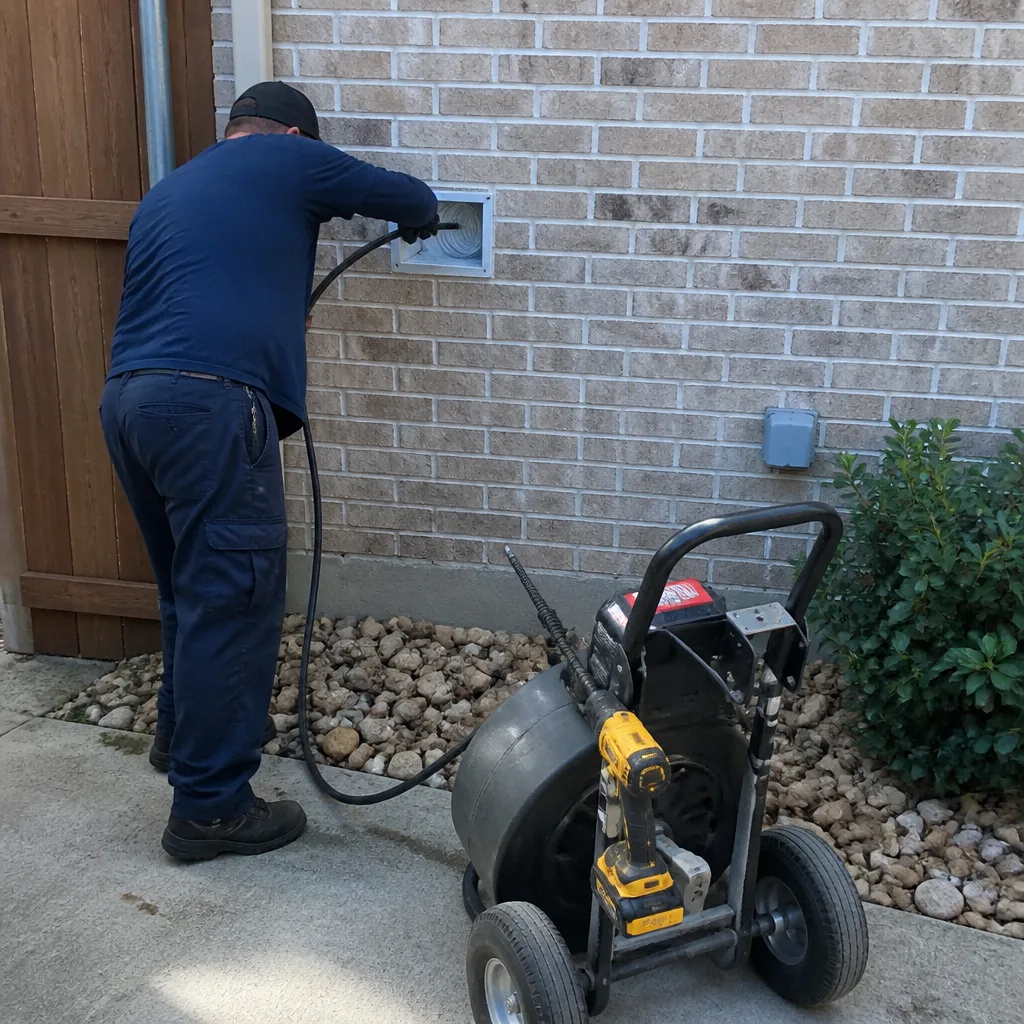 After
After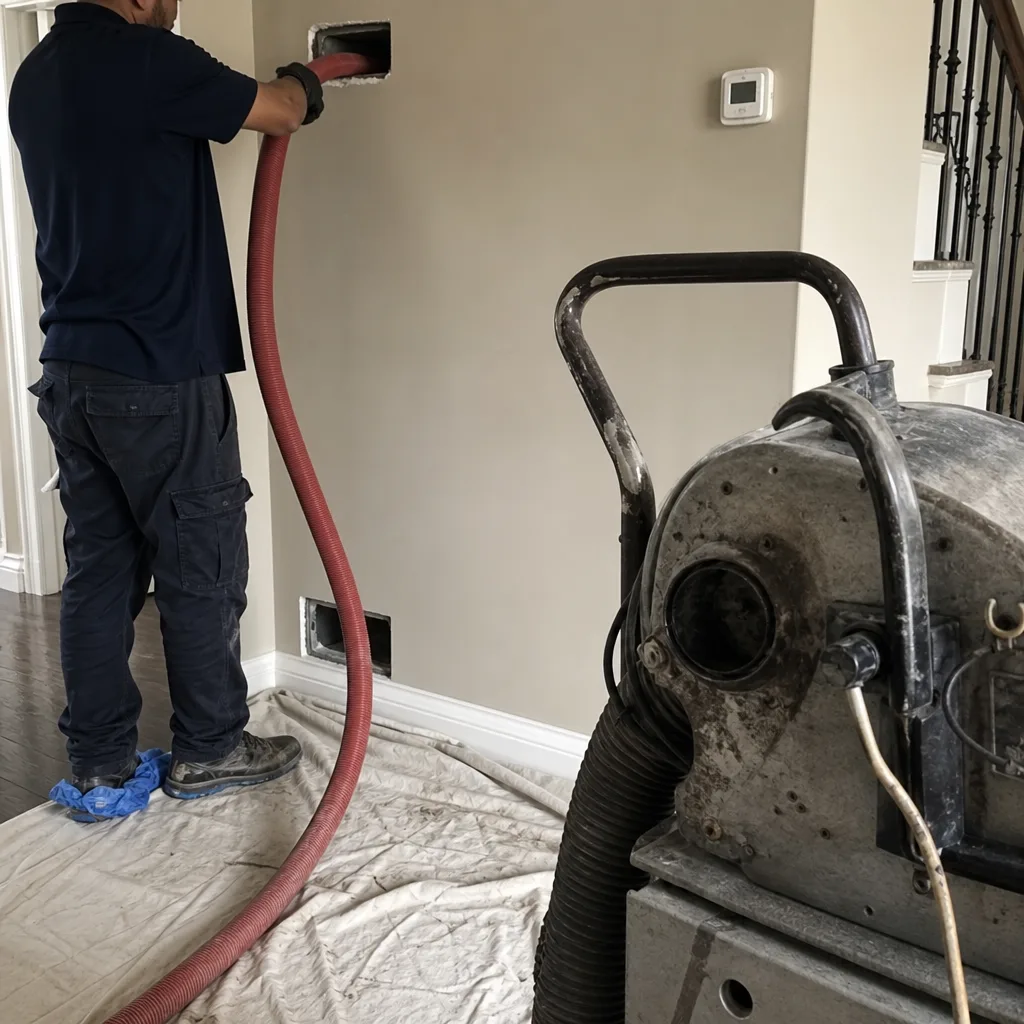 Before
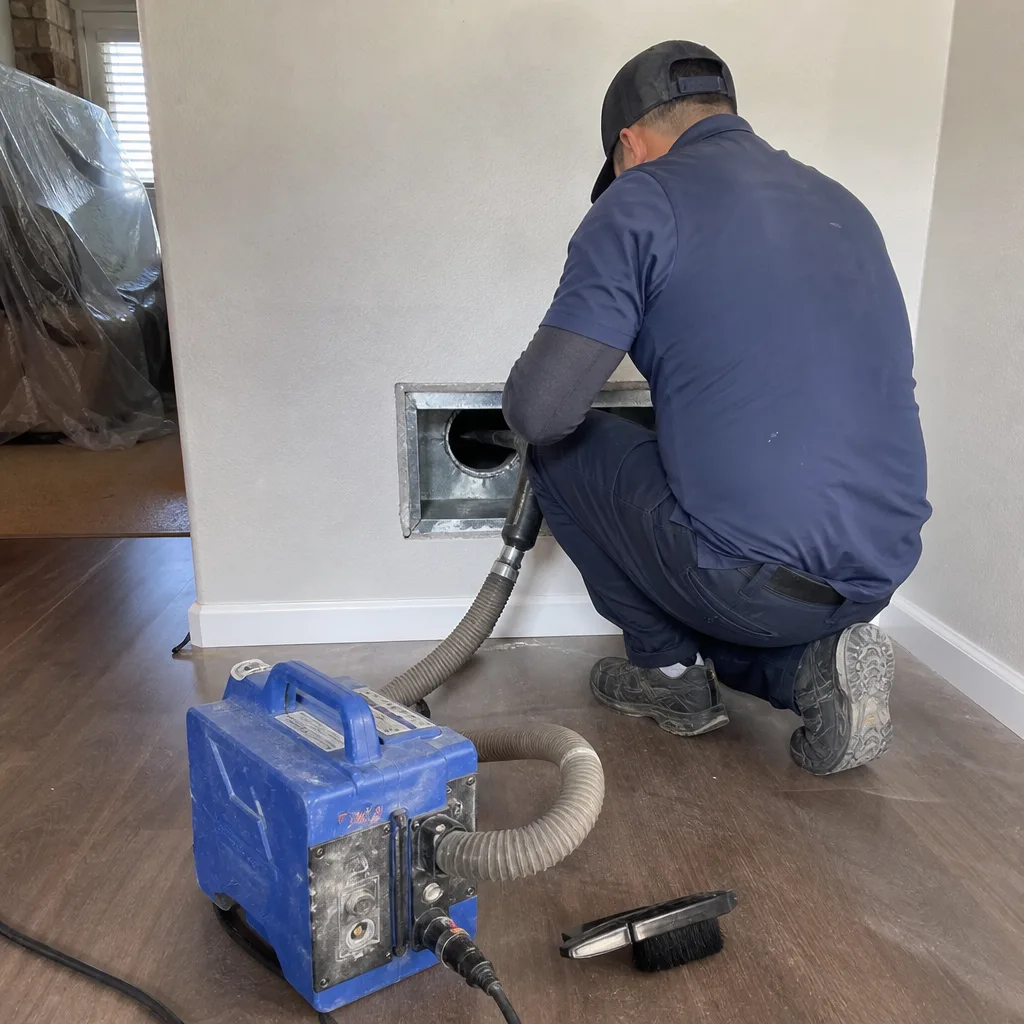 After
After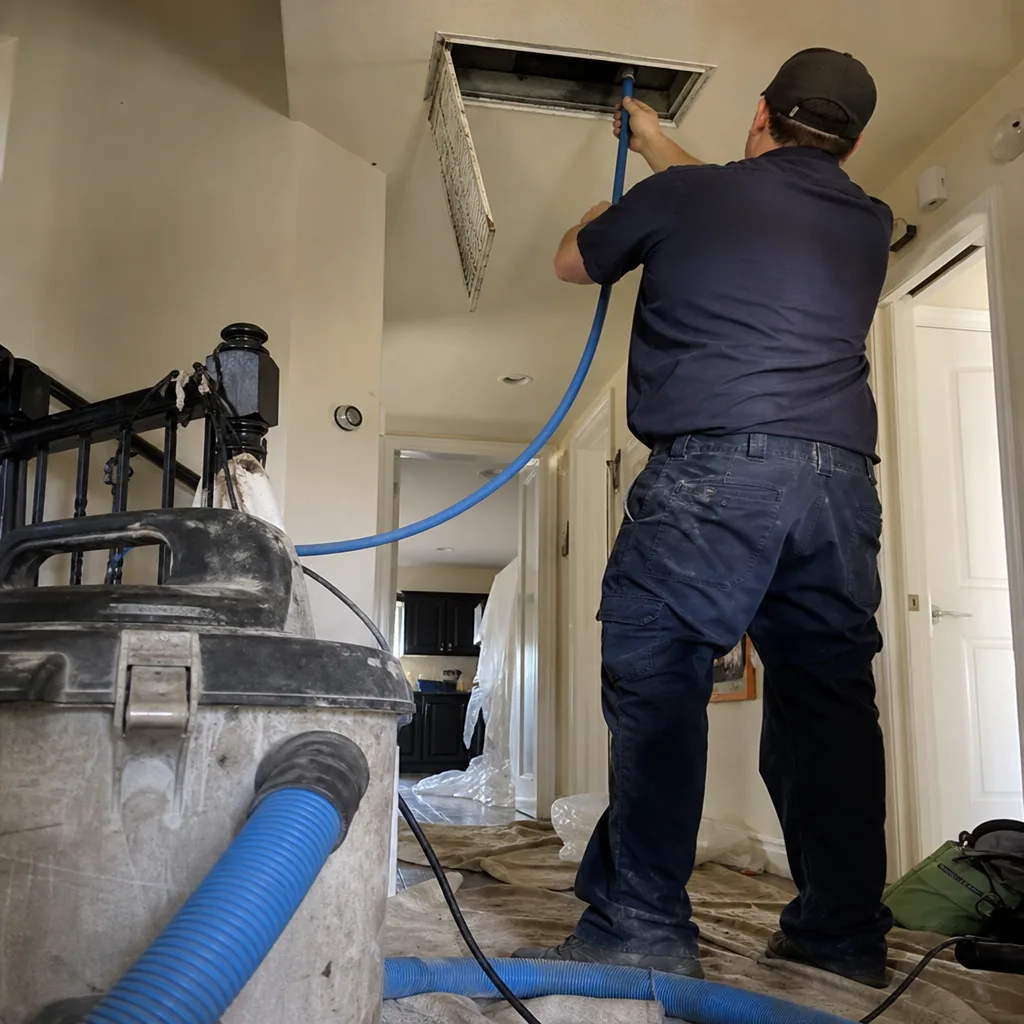 Before
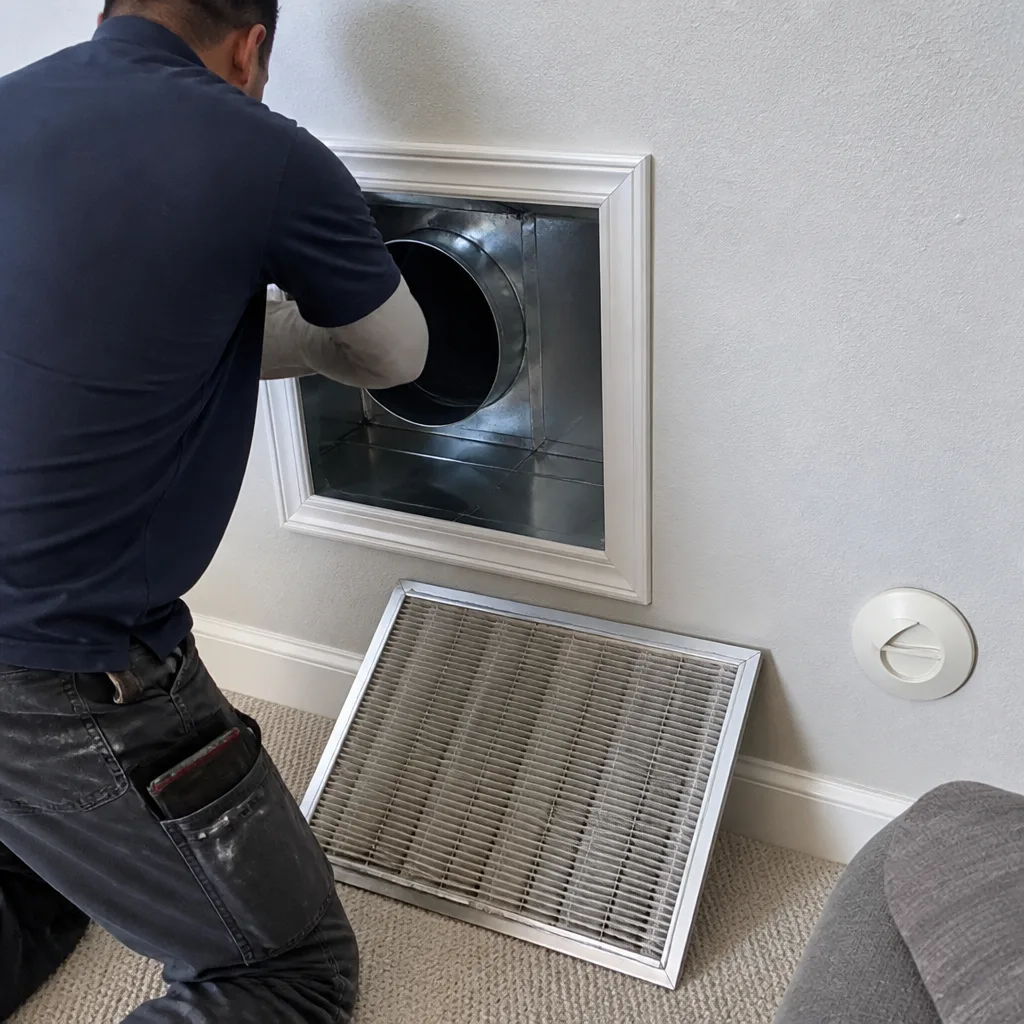 After
AfterHow to Hire a Air Duct Cleaning Contractor in Frisco: A Step-by-Step Guide
In Frisco, a homeowner can ask “are you licensed and insured?” and receive a confident yes from a contractor who owns nothing more than a shop vacuum and a magnetic sign. Texas does not require a state license for air duct cleaning. That question, which feels like due diligence, actually reveals almost nothing about whether the job will be done with professional equipment, documented in writing, or backed by any recourse if dust blows back into the living room three weeks later. This guide replaces feelings-based hiring with a four-question vetting process that exposes bait-and-switch operations before they reach your driveway. You’ll learn what credentials actually matter in Texas, how to read quote structures for hidden traps, what documentation a legitimate job produces, and how to verify the work was real after the crew leaves.
Quick Answer
Hiring an Air Duct Cleaning services contractor in Frisco means vetting for documented process, not credentials that sound reassuring. Ask four questions before scheduling: Will you put the full price in writing before work starts? Do you photograph inside every duct run before and after? What equipment brands do you use on the job? And what does your callback policy look like in writing? Contractors who hesitate on any of these points are signaling how the job will actually go.
Table of Contents
- Why “Licensed and Insured” Is the Wrong Starting Point in Texas
- The Four Questions That Separate Real Operations From Coupon Shops
- How to Read a Quote: Line-Item, Flat-Rate, and “Starting At” Pricing
- Red Flags That Appear in the First Phone Call
- What Equipment Names Actually Tell You
- How to Verify the Job After the Truck Leaves
- Frisco-Specific Considerations: Climate, Construction, and Common Issues
- Common Mistakes to Avoid
- When to Call a Professional
- Frequently Asked Questions
- The Bottom Line
BeforeAfterWhy “Licensed and Insured” Is the Wrong Starting Point in Texas
Texas does not regulate air duct cleaning as a licensed trade. The Texas Department of Licensing and Regulation lists no specific credential for duct cleaning contractors. A technician can legally operate with a general business registration, a standard liability policy, and no formal training in HVAC systems or indoor air quality. This surprises most Frisco homeowners, especially those who moved from states with stricter contractor categories.
What this means in practice: the license-and-insurance question filters out virtually no one. The coupon companies know this. They answer “yes and yes” and move quickly to scheduling. The homeowner feels protected and learns otherwise only when the job goes wrong.
Credentials that actually matter in the Texas market include:
- NADCA membership - The National Air Duct Cleaners Association sets process standards, requires continuing education, and provides a complaint pathway. Membership is voluntary and costs money, which separates committed operations from fly-by-night outfits.
- EPA Section 608 certification - Required only if the contractor will handle refrigerants or disturb components connected to the cooling system. Not every duct cleaning job needs this, but its absence matters if the scope includes evaporator coil cleaning or plenum access near refrigerant lines.
- General liability insurance with stated minimums - Ask for the coverage amount, not just confirmation of existence. $1 million per occurrence is common among established operations; $300,000 or unstated limits should prompt follow-up questions.
- Workers’ compensation or equivalent - Texas does not mandate workers’ comp for most employers, but a contractor without it exposes the homeowner to liability if a technician is injured on the property.
At CleanRun Air Duct Cleaning Frisco home, we publish our coverage details and NADCA membership number on request. Haven Standard Clause 3, Verified Crews, requires background checks and documented training hours before any technician works unsupervised. The credential we want homeowners to verify is not a state license that doesn’t exist. It’s whether the operation has a documented standard it can explain in plain language.
The Four Questions That Separate Real Operations From Coupon Shops
After twelve years and 52,000 homes, we’ve seen the same pattern repeat. The contractors who generate complaints share one trait: they resist specificity before the sale. The four questions below force specificity. A legitimate operator answers them directly. A bait-and-switch operation deflects, generalizes, or becomes impatient.
Question 1: Will you put the full price in writing before any work starts?
The $79 coupon model depends on arriving at the home, inspecting the system, and discovering “problems” that multiply the final invoice. The initial price was never the real price. It was a customer acquisition cost.
A written price delivered before work begins, under Air Duct Cleaning in Frisco standards we follow, means the scope is defined and the number is fixed. Haven Standard Clause 1 requires this on every job. No exceptions. If a contractor says “we need to see it first” or “the technician will explain pricing on arrival,” the structure is designed for upsell pressure.
Ask specifically: “Will the written price include all duct runs, the plenum, and the registers, or are those separate line items?” Separate line items are not inherently deceptive, but they create ambiguity that favors the contractor at invoice time.
Question 2: Do you photograph inside every duct run before and after?
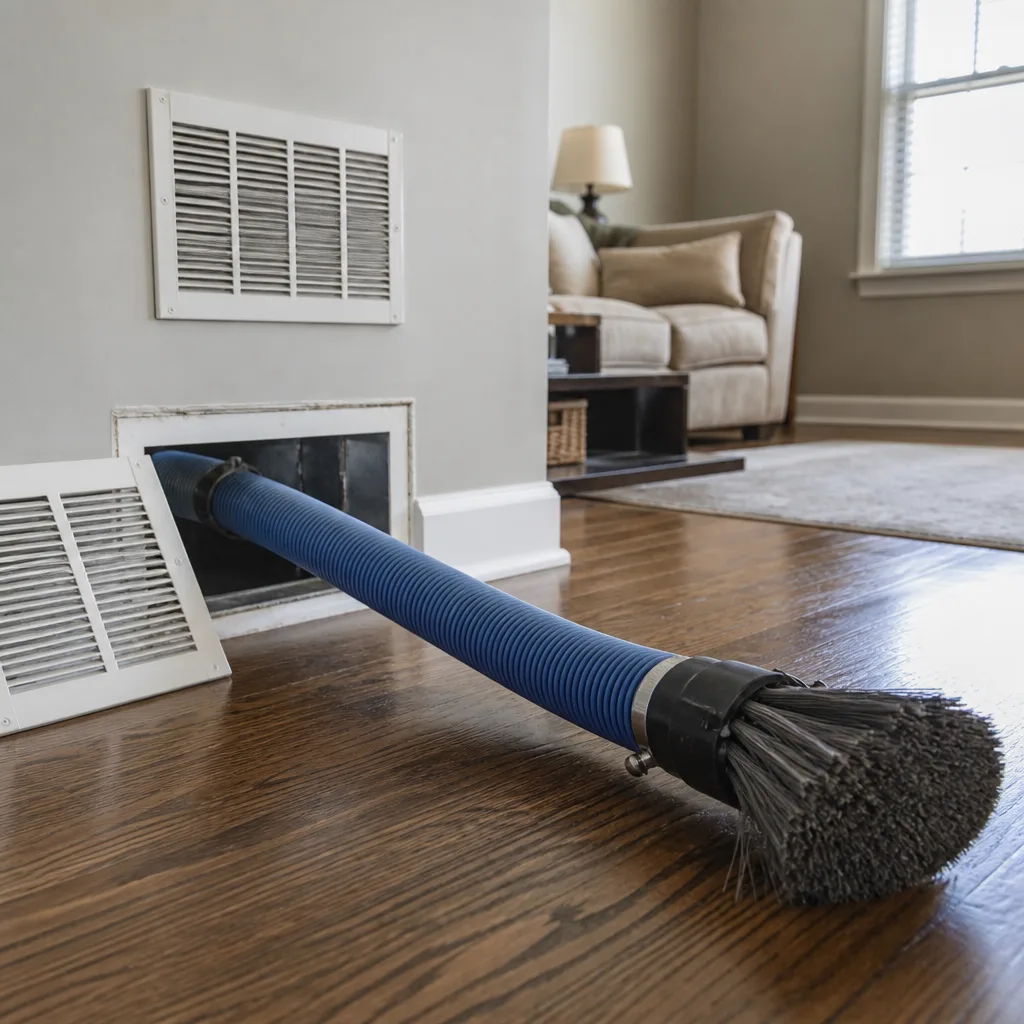
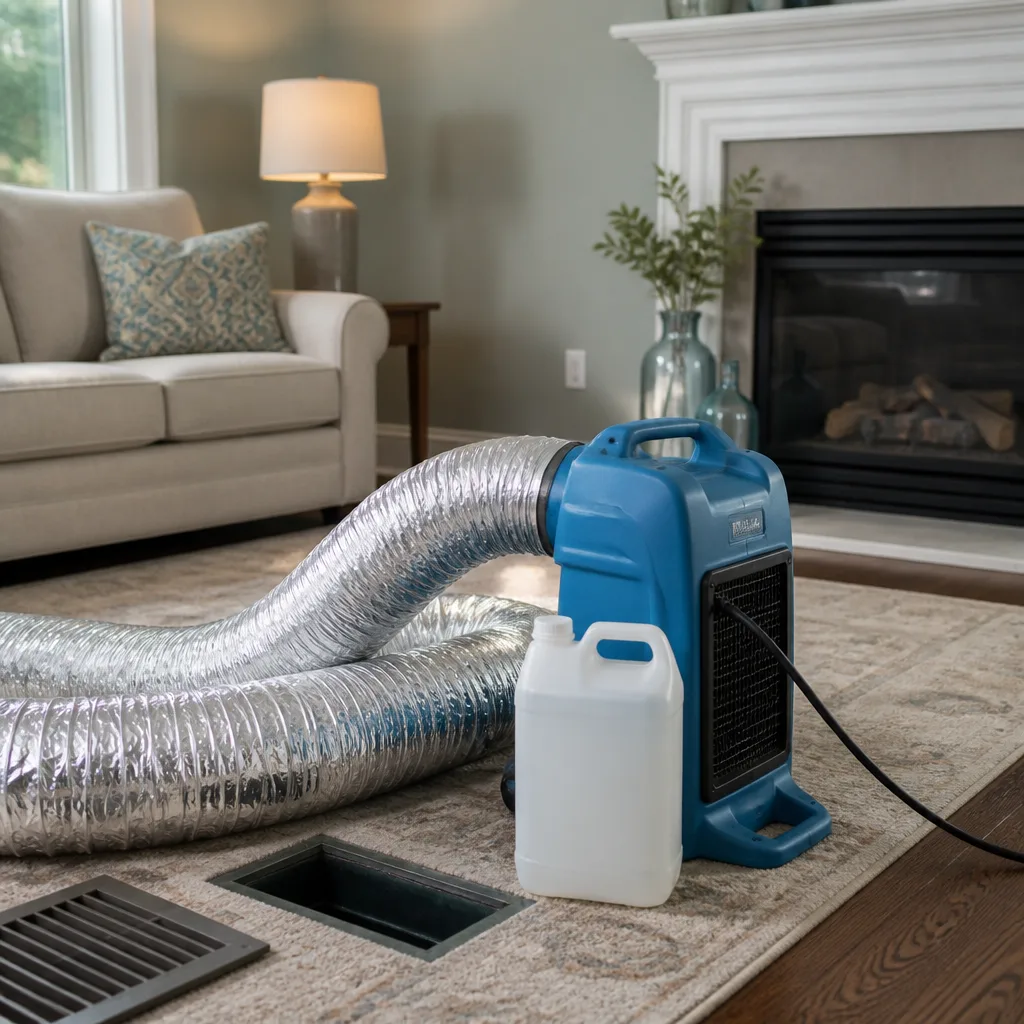
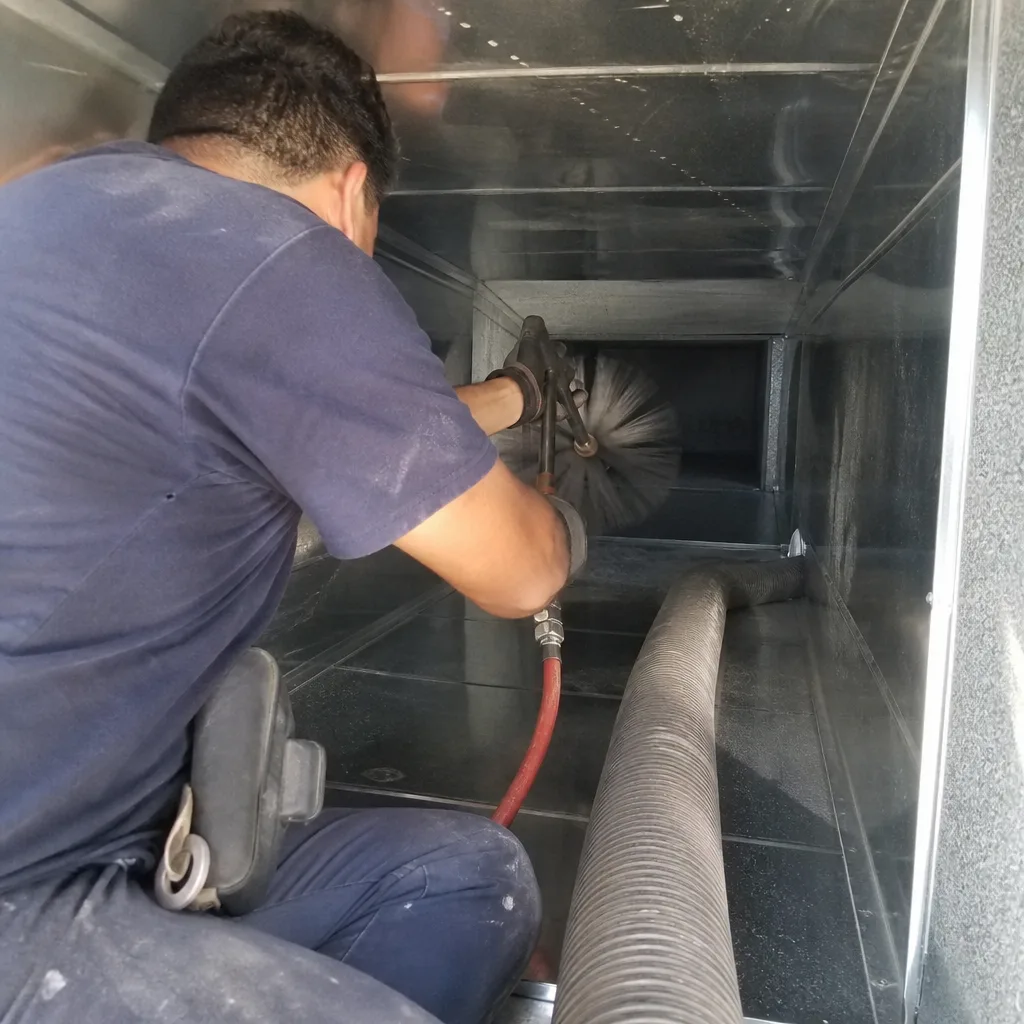
Photo documentation is the single most reliable indicator of whether actual work occurred. A shop vacuum pushed into a few registers produces noise and little else. A negative-pressure extraction system with rotary brushes, properly deployed, dislodges debris that is visible on camera.
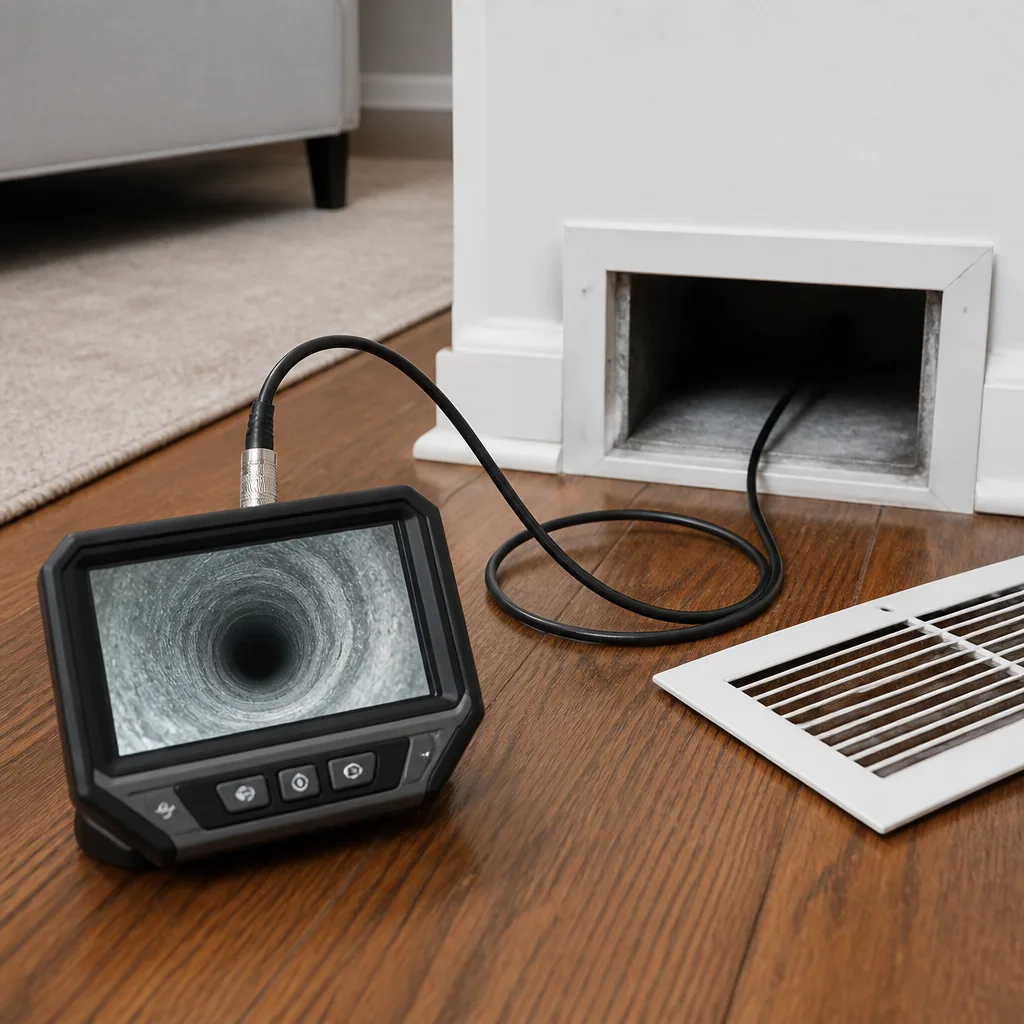
The key phrase is “every duct run.” Some contractors photograph one or two accessible points and imply the rest received identical treatment. Ask how many photos the typical job produces. At CleanRun, the standard deliverable is a documented photo record showing the interior of each duct run before and after service, delivered to the customer as part of the job record. We’ve held this practice since 2013.
Question 3: What equipment do you use, and can I verify the brands independently?
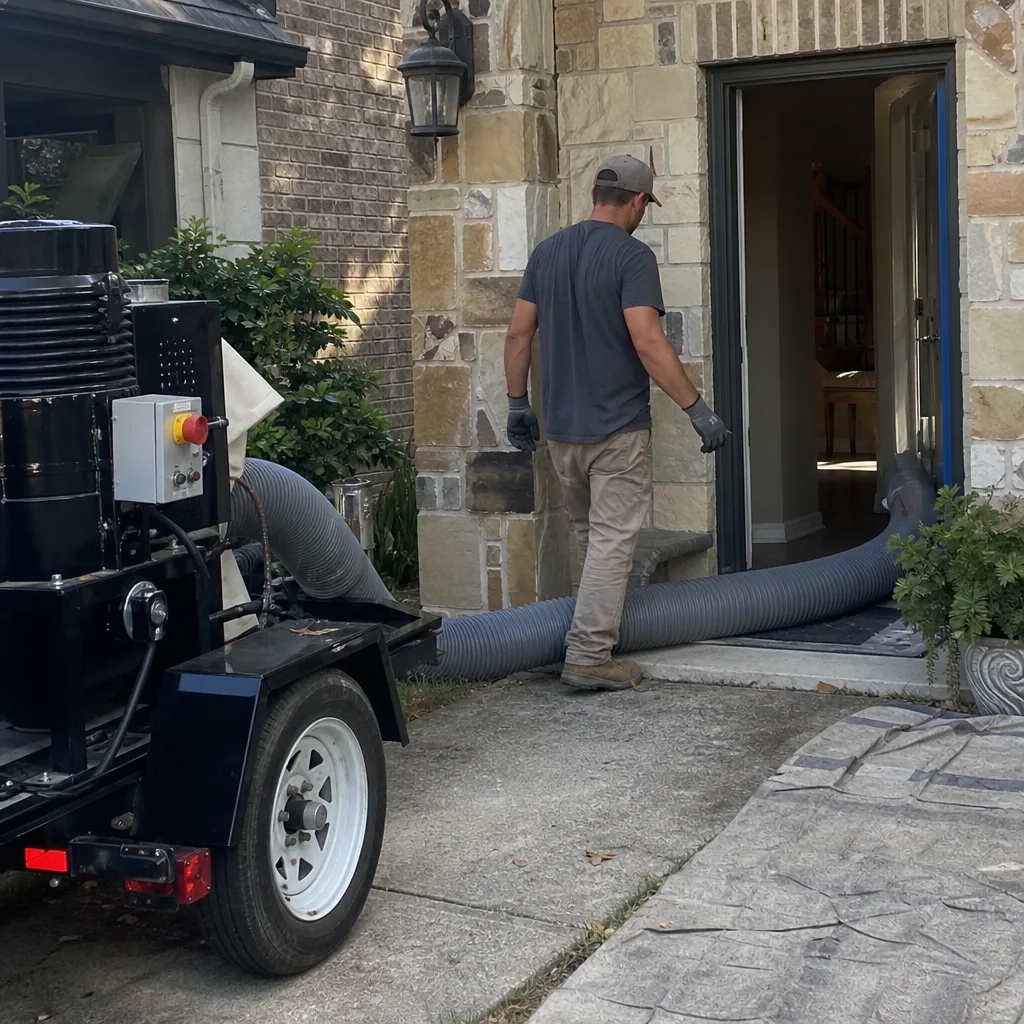
Professional-grade duct cleaning requires specific tool categories: negative-pressure extraction units, rotary brush systems, HEPA-filtered collection, and agitation devices sized to the ductwork. The brands matter because they indicate whether the contractor invested in equipment or assembled a kit from hardware store components.
Names to listen for include Rotobrush (rotary brush systems), Nikro (negative-pressure extractors and HEPA vacuums), Abatement Technologies (containment and air filtration), and Guardsman (protective and application equipment). If the contractor cannot name brands or describes equipment in vague terms (“industrial-strength vacuums”), they likely cannot describe what the equipment actually does.
Question 4: What does your callback policy look like in writing?
Every contractor promises satisfaction. Few put the promise in writing with defined terms. Ask: “If I find dust blowing from registers two weeks after service, what happens, and where is that written?”
The 365-Day Done Right Promise we offer states that if the work is not right, we make it right. It is backed in writing on every job, not stated in marketing copy and subject to manager discretion. The difference matters. A verbal promise evaporates when the phone stops being answered. A written guarantee with a defined term creates accountability.
How to Read a Quote: Line-Item, Flat-Rate, and “Starting At” Pricing
Quote structure reveals business model. The format a contractor uses tells you whether the price is designed to hold or to shift.
“Starting at” pricing
This structure advertises a low entry point for the smallest possible system under ideal conditions. The $79 or $99 special applies to a single-story home with fewer than eight registers, no contamination, no access issues, and no additional services. No Frisco home built after 2015 in neighborhoods like Phillips Creek Ranch or Newman Village matches these constraints. The actual price emerges after the technician arrives and “discovers” the real scope.
What to do: Treat “starting at” as a marketing number, not a planning number. Ask what the last ten customers in your neighborhood actually paid.
Per-vent or per-register pricing
This structure charges a base fee plus an incremental amount for each vent. It appears transparent but creates two problems. First, homeowners rarely know how many vents their system has without counting, and the count surprises them at invoice time. Second, the structure incentivizes the contractor to define “vent” narrowly (supply register, return grille, and duct run become separate line items) or to recommend unnecessary cleaning of minimally used ducts.
What to do: Ask for a whole-system price based on your square footage and HVAC configuration, not a count the technician performs on arrival.
Flat-rate per system
A single price for the complete service, defined by the system’s characteristics (square footage, number of air handlers, accessibility). This structure requires the contractor to understand the job before quoting, which demands either experience or a pre-visit assessment. It aligns the contractor’s incentive with completion rather than discovery of additional charges.
CleanRun operates under Haven Standard Clause 1: written price before any work starts, one flat price per system. The price does not change because the technician found “unexpected buildup.” The buildup is the reason for the call.
Line-item quotes
Detailed breakdowns of each component and service. These can be legitimate and useful for complex jobs involving duct repair, sealing, or sanitizing. They become problematic when line items are optional in name but presented as necessary in practice. “We can do the basic cleaning, but we really recommend the antimicrobial treatment” shifts the quoted price upward in the customer’s presence.
What to do: Request the line-item quote in advance, with clear notation of which items are optional and which are required for the base result.
Frisco pricing context
Based on our service records across Frisco, whole-system air duct cleaning for a typical 2,500-3,500 square foot home in neighborhoods like Stonebriar or The Trails ranges from $400 to $700 when performed with professional equipment and documented photo records. Prices below $300 for comparable scope typically indicate corners cut in equipment, time on site, or documentation. Prices above $800 without additional services (duct sealing, repair, or sanitizing) warrant detailed explanation of what justifies the premium; see our Air Duct Cleaning Cost Breakdown: The Frisco Homeowner’s Reference for 2026 for typical pricing factors.
| Quote Structure | What It Signals | Risk Level |
|---|---|---|
| “Starting at” $79-$149 | Bait-and-switch model; real price 3-5x higher | High |
| Per-vent pricing | Invoice uncertainty; upsell incentive | Moderate |
| Flat-rate per system | Defined scope; contractor absorbs estimation risk | Low |
| Detailed line-item with optional items marked | Transparency; customer controls scope | Low if received in advance |
Red Flags That Appear in the First Phone Call
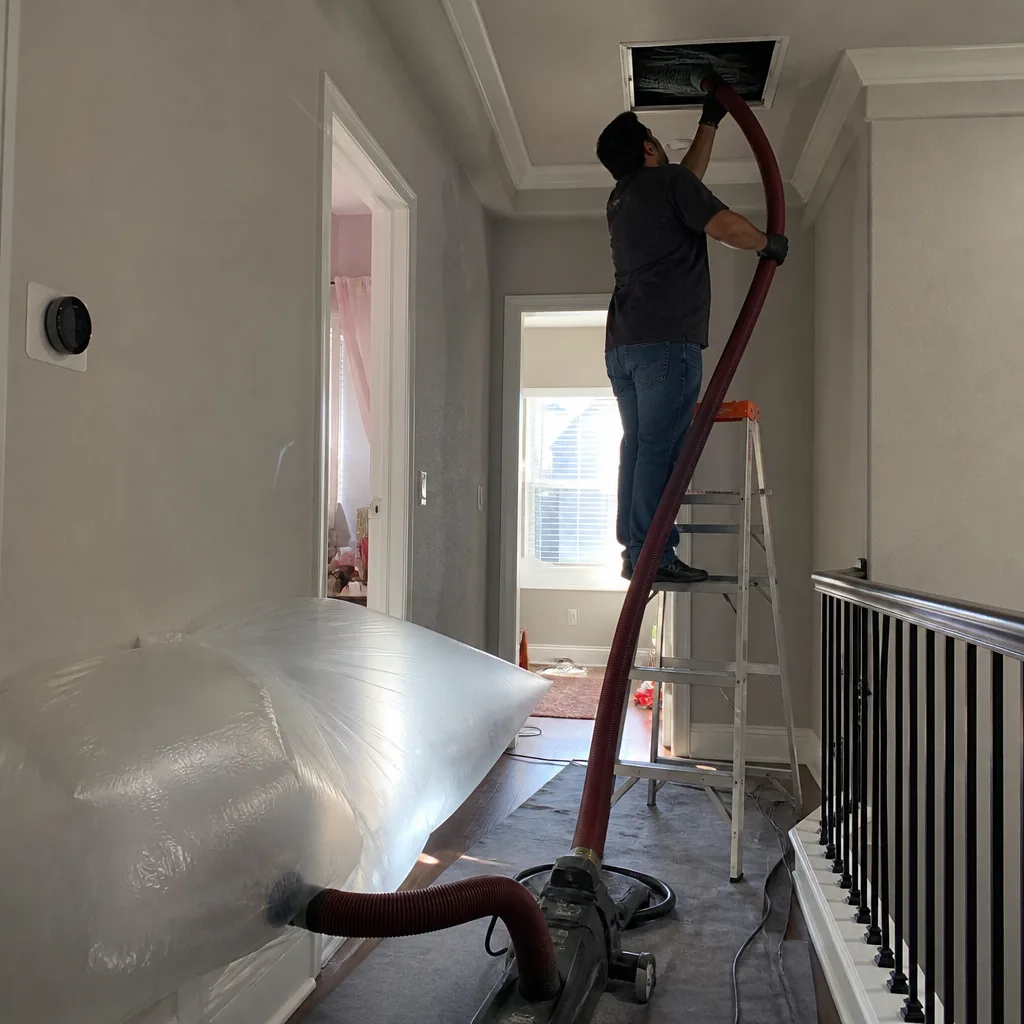
The hiring conversation itself reveals operational character. These patterns, detected in the initial call, predict how the job will proceed.
- Vague scope description. “We’ll clean your ducts” is not a scope. Ask what specific components are included: supply ducts, return ducts, plenum, registers, grilles, and whether the HVAC cabinet or blower are part of the service. Vague language preserves flexibility to do less.
- Resistance to written quotes. Any hesitation about putting price and scope in writing, whether by email or text, indicates the price is not fixed. “The technician will go over everything when he gets there” means the technician is also the salesperson, working on commission.
- Upsell language before system inspection. Recommendations for sanitizing, sealing, or repair before anyone has seen the ductwork suggest a scripted sales process, not a technical assessment. Legitimate additional services require visual or camera inspection.
- No equipment discussion. A contractor who cannot describe their equipment in the time it takes to answer a phone call has not thought about their equipment as a professional tool. They have assembled enough to create noise and a bill.
- Pressure to schedule immediately. “We have a crew in your area today” or “this price expires Friday” creates artificial urgency. Duct cleaning is a scheduled maintenance service, not an emergency. The homeowner who researches and compares receives better outcomes.
- Unverifiable claims. “We’re the #1 rated in Frisco” or “voted best service” without citation to a specific platform, year, and methodology. Evidence-first operations name their evidence.
- No callback policy explanation. Satisfaction guarantees that cannot be described in specific terms (“we stand behind our work”) are not policies. They are conversation-enders.
At CleanRun, calls are answered by a live person who can describe equipment, explain the documented photo record, and deliver a written price by text or email during the conversation. No one pressures for same-day scheduling. HVAC Cleaning in Frisco is a planned service, and planning starts with information.
What Equipment Names Actually Tell You
Equipment specificity separates contractors who invested in capability from those who purchased appearance. The brands below represent professional-grade tools used in residential duct cleaning. A contractor who names them demonstrates transparency. A contractor who cannot name them, or who describes generic categories (“HEPA vacuum,” “rotary brush”), may not know what they own or may be concealing consumer-grade tools.
Rotobrush - Rotary brush systems with vacuum extraction designed for residential ductwork. The brush head rotates inside the duct, dislodging debris while simultaneous vacuum capture prevents redistribution into the home. Different brush diameters accommodate varying duct sizes.
Nikro - Negative-pressure extractors and portable HEPA vacuum systems. Nikro equipment is common in mold remediation and duct cleaning where containment matters. The HEPA filtration level (99.97% at 0.3 microns) prevents fine particulate escape during collection.
Abatement Technologies - Air filtration devices, containment systems, and duct cleaning equipment. Their portable HEPA units create negative pressure in work zones, preventing cross-contamination during aggressive cleaning or when microbial contamination is suspected.
Guardsman - Protective equipment and application tools for antimicrobial and sealing products. Named equipment here indicates the contractor applies treatments with tools designed for controlled delivery, not garden sprayers or improvised methods.
What to ask: “Which of these tools will be used on my specific system, and why?” The answer reveals whether the contractor matches equipment to job conditions or deploys the same approach regardless of duct configuration.
CleanRun’s equipment roster includes Rotobrush, Nikro, Abatement Technologies, and Guardsman. We name these brands so customers can verify specifications independently. The camera showed a 3-inch debris build-up at the first elbow in a Frisco home last month because the rotary brush reached the full length of the duct run, not because we inferred contamination from register appearance.
How to Verify the Job After the Truck Leaves
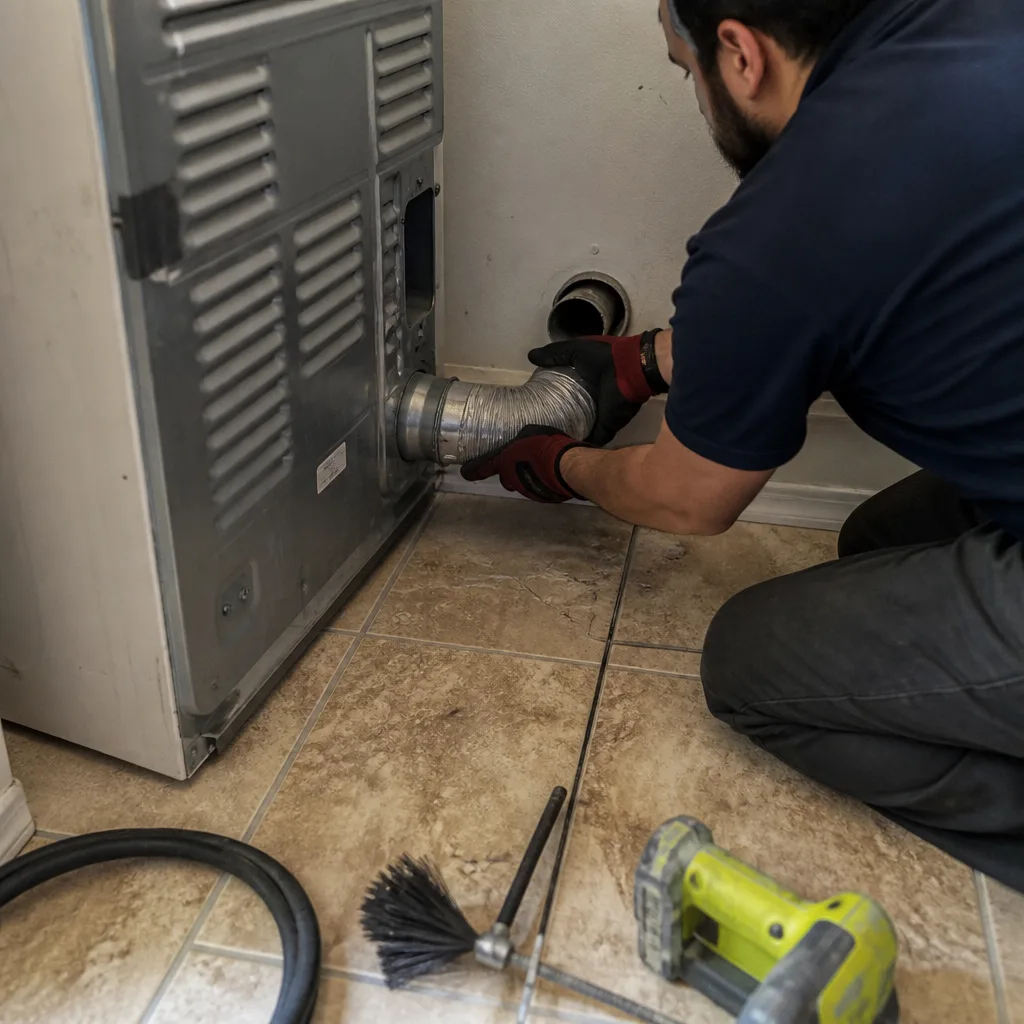
The most common post-service complaint is not that the job was done poorly. It is that the homeowner cannot tell whether it was done at all. A shop vacuum run for twenty minutes produces noise and a clean filter photo, but the ducts remain unchanged. Verification requires documentation that existed before the work and after.
What legitimate documentation includes
- Pre-service photos of every duct run - dated, showing identifiable location (register label or room reference), with visible contamination or debris.
- Post-service photos of the same locations - dated, showing the same duct run after cleaning, with debris removed and surfaces visible.
- Written scope completed - checklist or narrative confirming which components were serviced, which were inaccessible, and any deviations from the quoted scope.
- Equipment readings if applicable - negative pressure measurements, airflow readings before and after, or particulate counts for jobs with air quality focus.
- Warranty or guarantee document - specific terms, duration, and contact method for claims.
How to evaluate the documentation
Compare the pre and post photos for consistency of location. A contractor who photographs one clean register and one dirty register from different homes has not documented your job. Timestamps should show logical sequence. The written scope should match the quoted scope, with noted exceptions explained.
The 365-Day Done Right Promise at CleanRun is delivered in writing with every job. If the work is not right, we make it right. The documented photo record, included as a standard deliverable on every visit since 2013, provides the baseline for any callback. We do not ask customers to trust our word. We ask them to compare the photos.
Frisco-Specific Considerations: Climate, Construction, and Common Issues
Frisco’s growth pattern creates distinct duct conditions that affect both service needs and contractor selection. Understanding these local factors helps homeowners ask better questions.
New construction debris
Homes built between 2015 and 2025 in developments like The Grove, Lawler Park, or Hollyhock often contain construction debris in ductwork. Drywall dust, wood particles, and insulation fragments accumulate during the build process and are not fully removed by builder “clean-outs,” which typically involve blowing compressed air through registers without containment. We’ve opened plenums in Frisco homes less than two years old and found substantial debris layers that the homeowner assumed were impossible in a new house.
North Texas clay soil and foundation movement
Frisco sits on expansive clay soils that shift with moisture. Foundation movement cracks ductwork in slab-on-grade construction, creating leaks that reduce system efficiency and pull attic or crawl space air into the conditioned space. A duct cleaning contractor who does not inspect for separation at joints, or who cleans without noting these conditions, is treating symptoms while ignoring pathology.
High pollen and allergen load
The Frisco area experiences extended pollen seasons and high particulate counts during spring and fall. Homes with standard fiberglass filters allow substantial allergen passage into ductwork, where accumulation creates reservoirs that redistribute during HVAC cycles. Cleaning without addressing filtration upgrades leaves the same conditions in place.
HOA and neighborhood standards
Several Frisco master-planned communities have maintenance standards that affect HVAC system care, including requirements for periodic service documentation. Contractors unfamiliar with these requirements may not provide the written records homeowners need for compliance.
What this means for hiring
Ask prospective contractors: “How many homes have you serviced in Frisco developments built after 2015?” Experience with local construction methods, common builder shortcuts, and neighborhood-specific issues produces more accurate assessments. A contractor who treats every home as generic misses conditions that affect both cleaning approach and additional service recommendations.
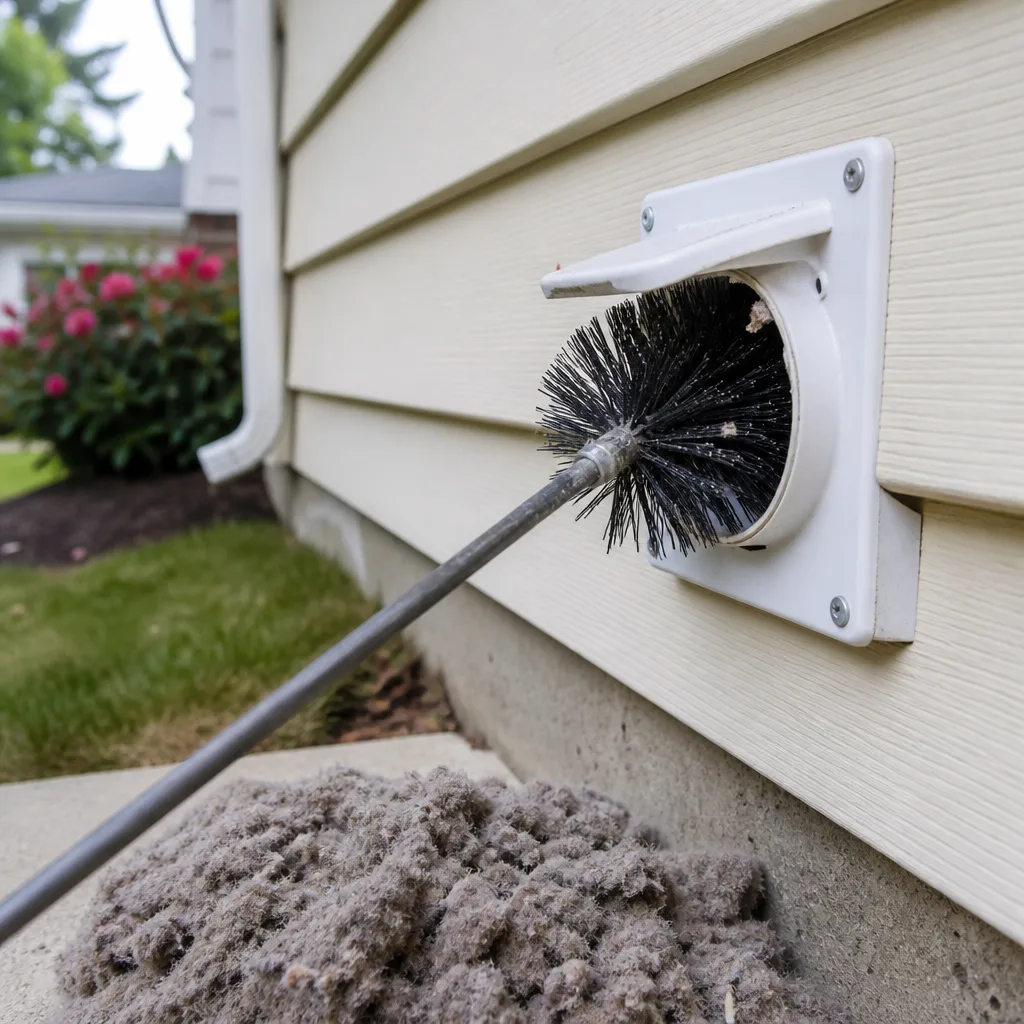
Dryer Vent Cleaning in Frisco faces related considerations: new construction often uses longer vent runs with multiple elbows for aesthetic routing, increasing lint accumulation risk and complicating cleaning access.
Common Mistakes to Avoid
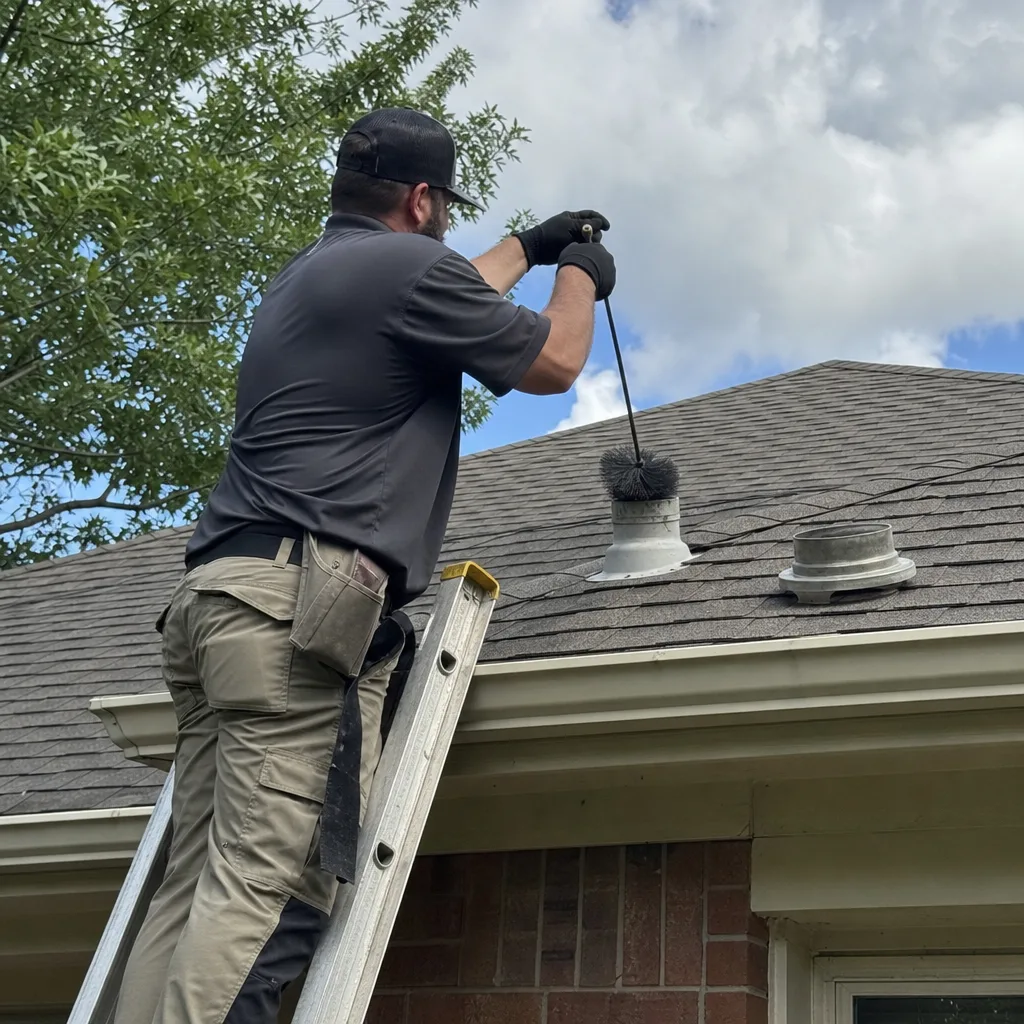
- Equating online rating count with quality. A five-star average from 400 reviews sounds impressive but reveals nothing about documentation practices, equipment used, or callback resolution. Reviews describe feelings. The four questions above verify process.
- Accepting phone quotes without written confirmation. Verbal numbers change. Written prices, delivered by text or email with scope description, create the record that matters if disputes arise.
- Scheduling based on lowest price without scope comparison. The $199 quote that covers eight registers and no returns is not comparable to the $500 quote that covers the complete system. Normalize the scope before comparing the price.
- Neglecting to ask about post-service documentation. The time to establish what proof you’ll receive is before scheduling, not when the crew is packing up and you realize you have only a credit card receipt.
- Assuming new homes don’t need cleaning. In Frisco’s rapid-build environment, construction debris in ductwork is common. The home’s age does not determine duct condition; what happened during construction does.
- Ignoring filtration and sealing in favor of repeated cleaning. Duct cleaning every two years with inadequate filtration is treating the symptom. A contractor who never mentions filter upgrades or duct sealing is not addressing root causes.
- Failing to verify NADCA membership directly. Some contractors claim association membership that lapsed or applies to a different entity. Verify through NADCA’s online directory rather than accepting logo display.
When to Call a Professional
Schedule professional duct cleaning when visible dust emission from registers occurs during HVAC startup, when renovation or construction debris is suspected in the system, when mold or musty odor is detected, or when system efficiency has declined without equipment malfunction. In Frisco’s high-growth environment, we also recommend assessment after any foundation repair, since structural movement frequently disturbs duct connections.
CleanRun Air Duct Cleaning Frisco offers free estimates in Frisco. Call (940) 290-8552 to discuss your system, receive a written price by text or email during the conversation, and schedule service with documented photo records included. Every estimate includes our Free Second Opinion on any written competitor quote. Bring another company’s number; we’ll put ours beside it with scope explained.
Frequently Asked Questions
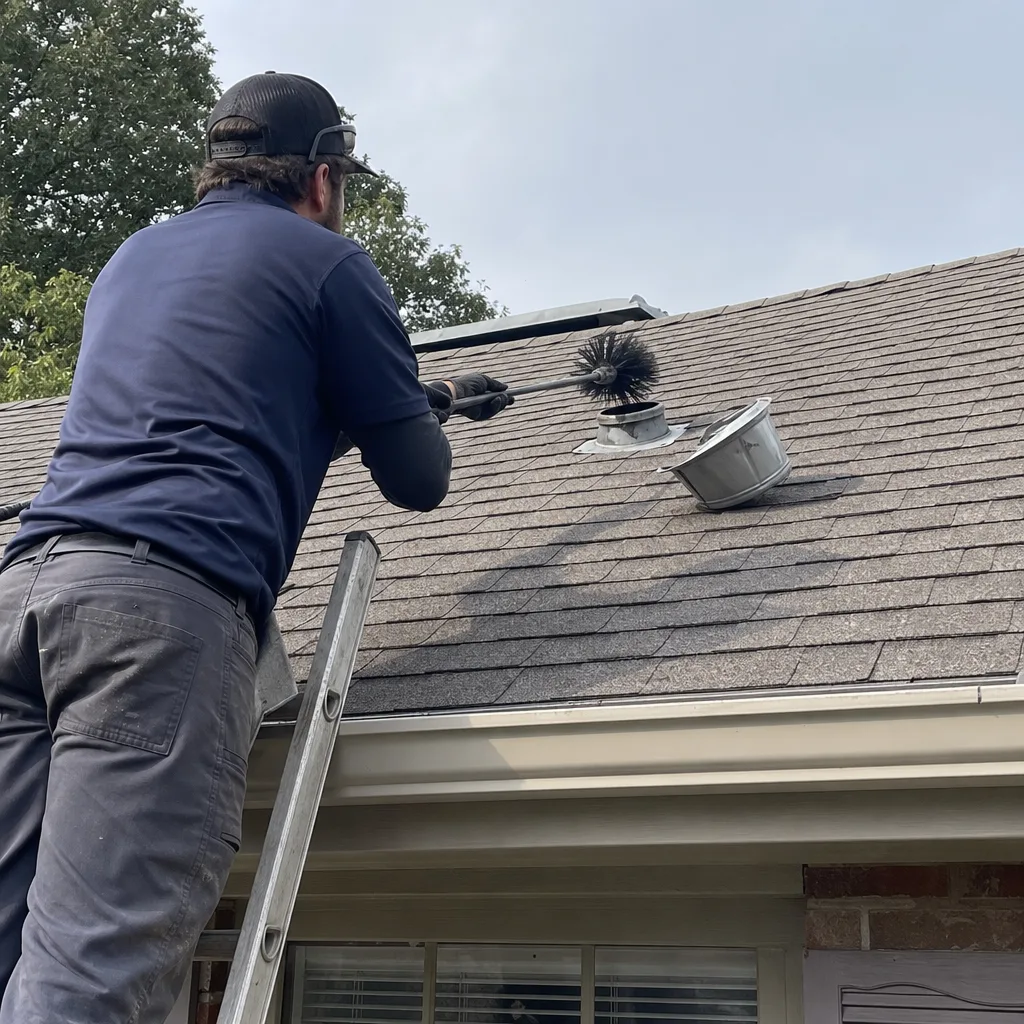
Whole-system air duct cleaning for a typical 2,500-3,500 square foot Frisco home ranges from $400 to $700 when performed with professional equipment and full documentation. Prices below $300 for this scope typically indicate reduced service time, consumer-grade equipment, or absent photo verification. Call (940) 290-8552 for an exact quote based on your square footage and system configuration. Estimates are free.
Low quotes usually reflect one of three structures: a “starting at” price that applies to no real home, per-vent pricing that multiplies on arrival, or reduced scope that excludes returns, plenum, or registers. The $79-$149 special requires upselling to become profitable; the technician’s income depends on increasing the invoice after arrival. Call (940) 290-8552 to compare any written quote against our flat-rate pricing.
Require dated, location-identified photos of every duct run before and after service. The photo record should show the same duct interior from the same access point, with visible debris removal. Written scope completion should note any inaccessible areas. Without this documentation, you have only noise and a bill. CleanRun includes the documented photo record as a standard deliverable on every visit.
Every three to five years for typical residential systems with standard filtration. Homes with pets, recent construction, occupants with respiratory conditions, or locations with high particulate loads (including Frisco’s extended pollen seasons) may benefit from more frequent assessment. Filter quality and duct sealing condition affect this timeline substantially. Call (940) 290-8552 to discuss your specific factors.
No. Texas does not issue a specific license for air duct cleaning contractors. General business registration and liability insurance suffice for legal operation. This absence makes NADCA membership, EPA 608 certification for adjacent HVAC work, and documented process standards more important as quality indicators. Verify credentials that are voluntarily pursued, not state-mandated.
A legitimate written quote specifies: the exact components to be cleaned (supply ducts, return ducts, plenum, registers, grilles), the cleaning method and equipment to be used, the total fixed price or clearly defined calculation method, the documentation to be provided, and the callback or guarantee terms. Haven Standard Clause 1 requires all of these elements before any CleanRun work begins. If a quote lacks any component, request clarification before scheduling.
The Bottom Line
Hiring an air duct cleaning contractor in Frisco is a process of verifying documentation, not collecting reassurance. Texas’s lack of specific licensure means the wrong questions filter out no one. The right questions, asked in the right order, expose operations built on bait-and-switch before they reach your home. Demand a written price before work starts. Confirm photo documentation of every duct run. Ask for equipment brands you can verify. And require a callback policy in writing with defined terms. Contractors who meet these standards have nothing to hide. Those who resist have already told you how the job will go.
Written by Tomas Reyes, Owner at CleanRun Air Duct Cleaning Frisco, serving Frisco since 2013.