
Last updated September 23, 2026
Whole-system duct and dryer vent check with before-and-after photos - you see exactly what came out of your vents
That "$99 whole-house special" is a bait ad - the real number appears once they are in your hallway, or the "clean" is a shop-vac at the register. We photograph the inside of your ducts before and after instead.
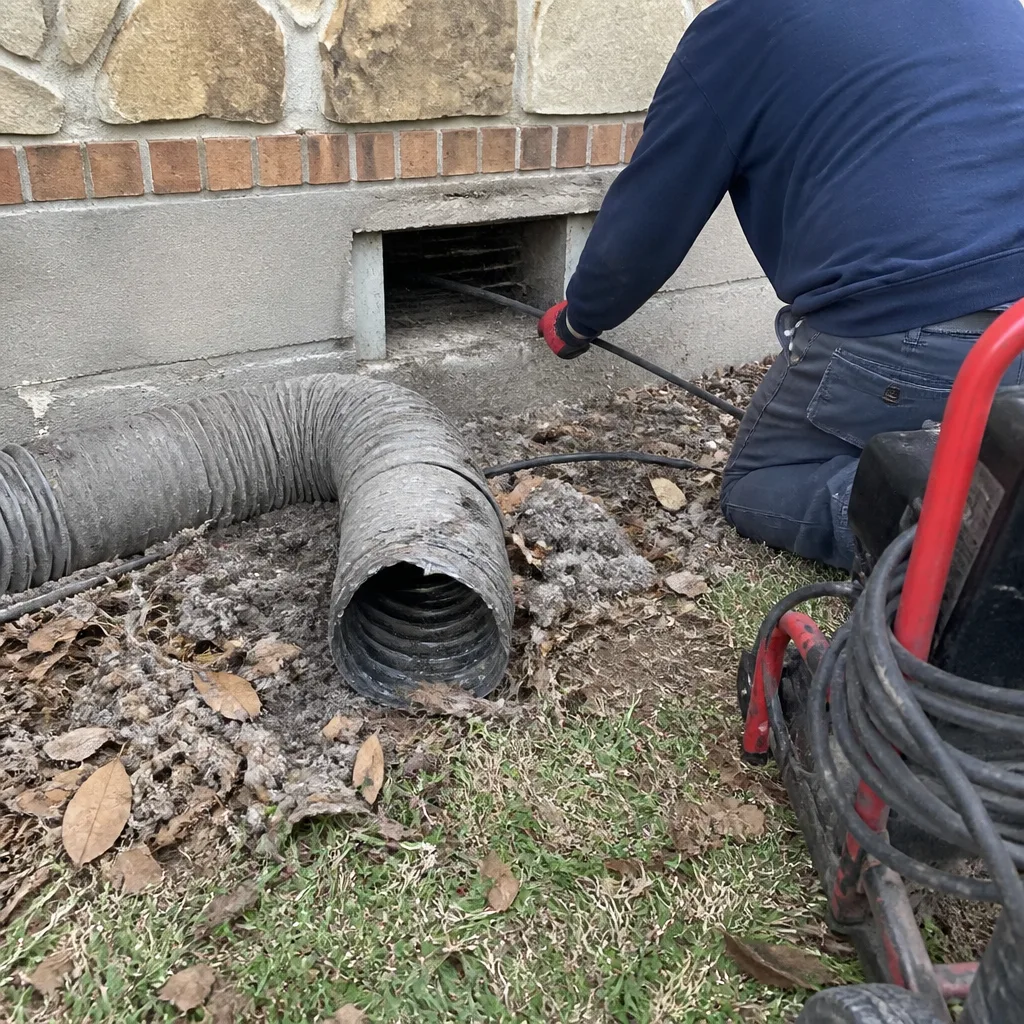 Before
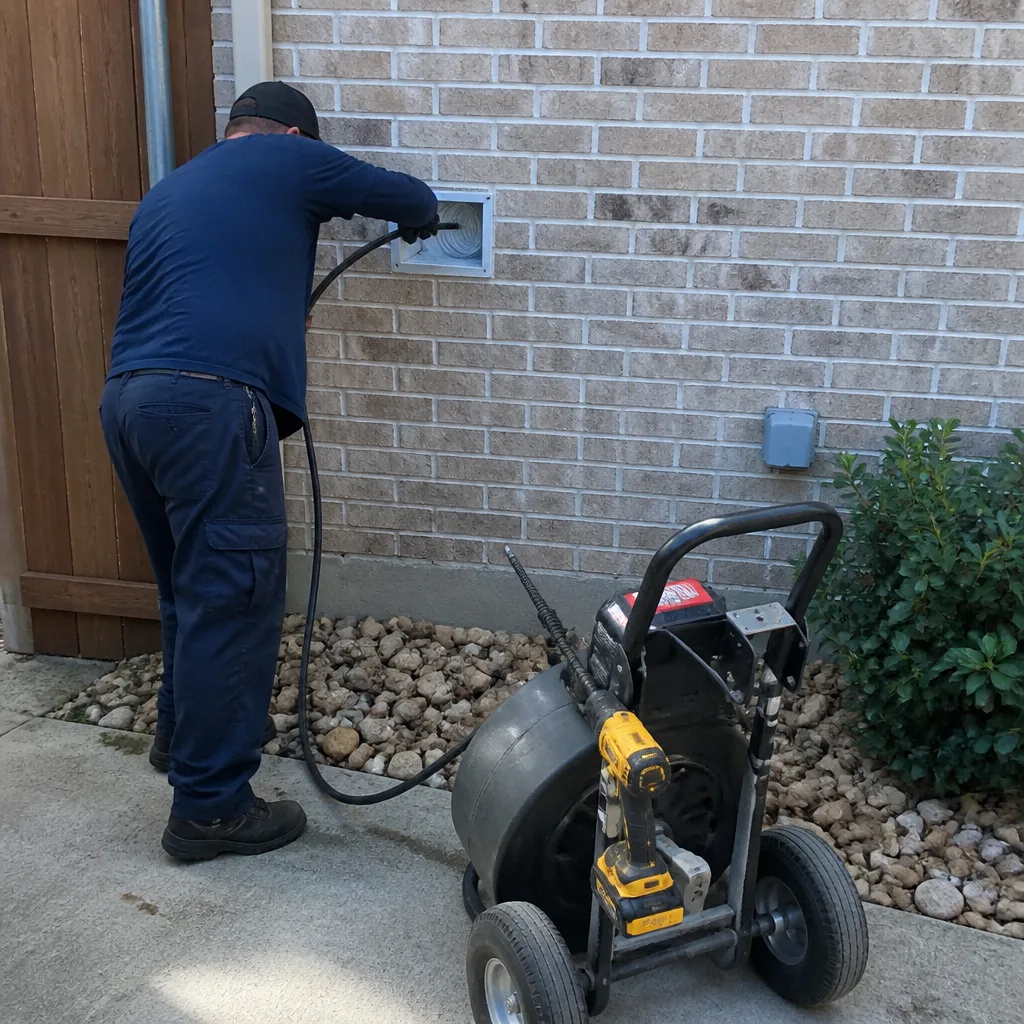 After
After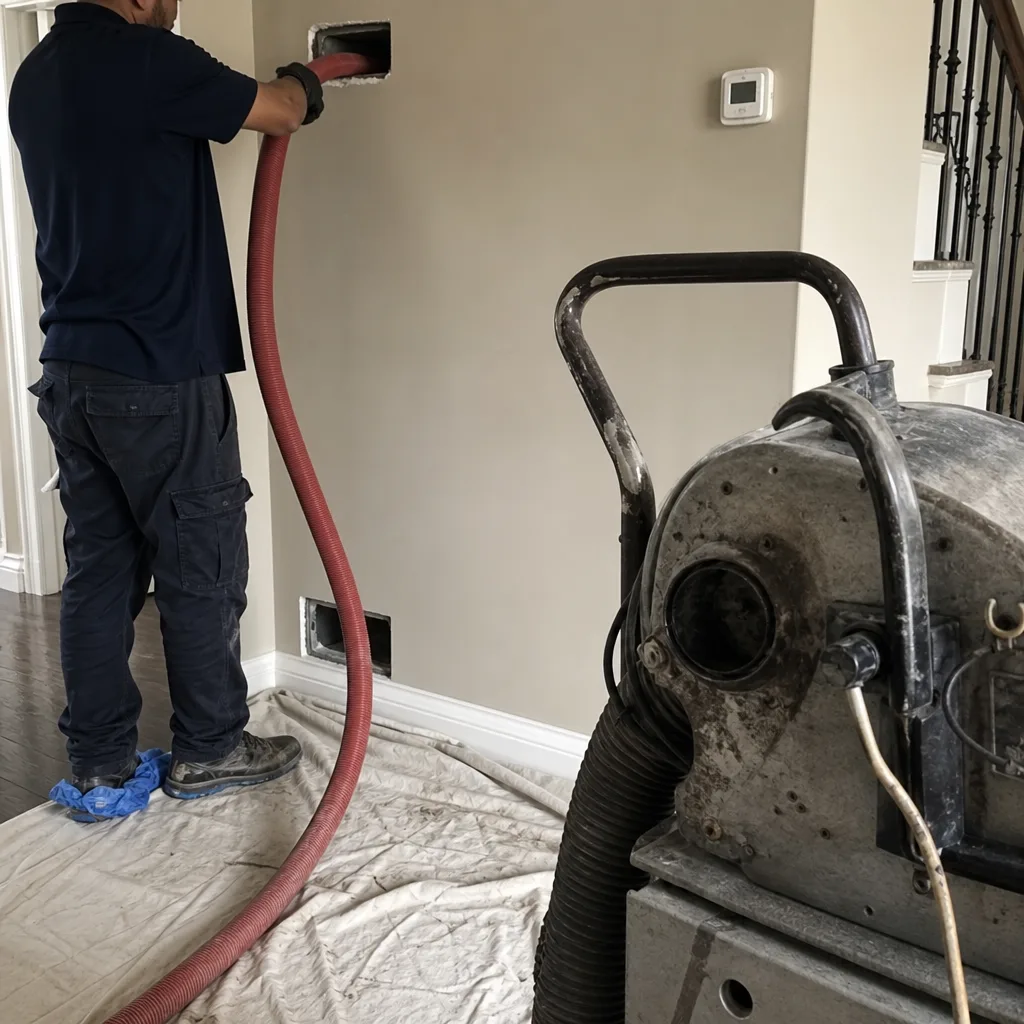 Before
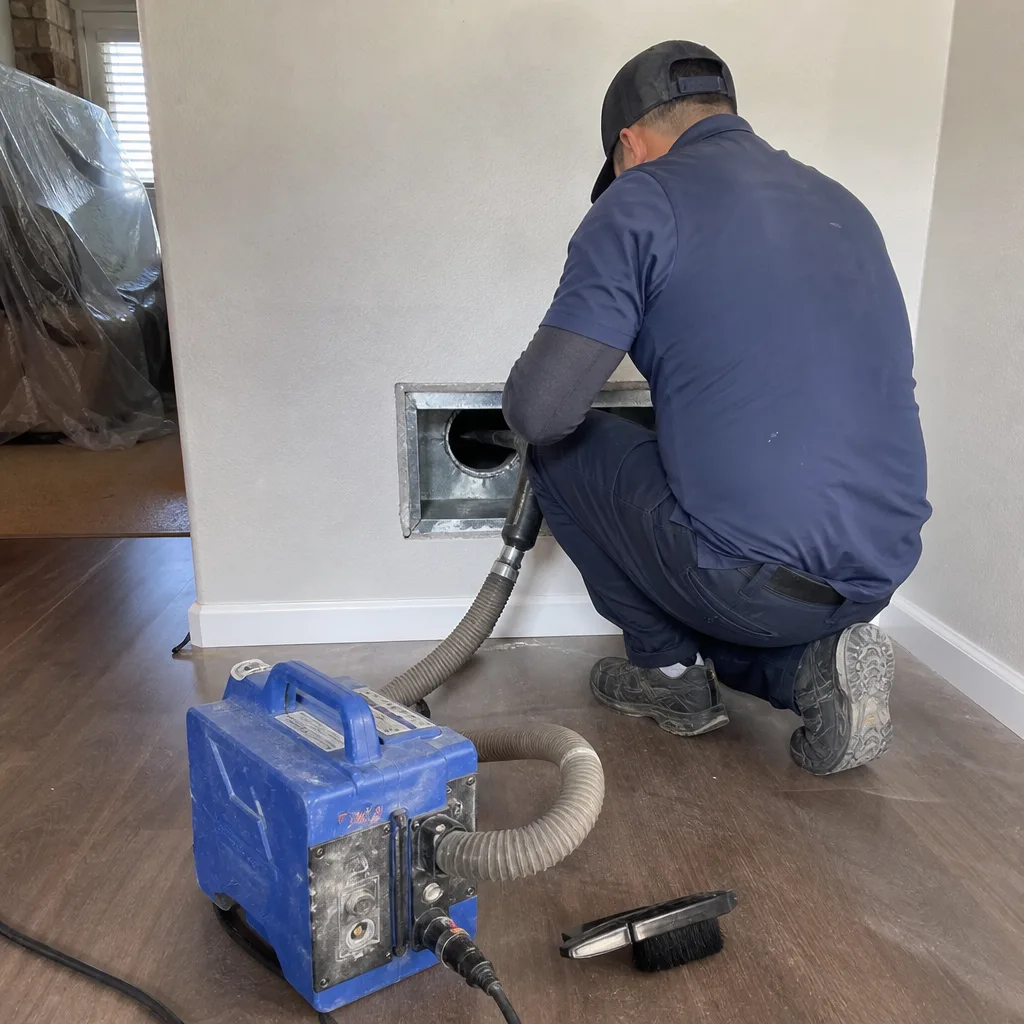 After
After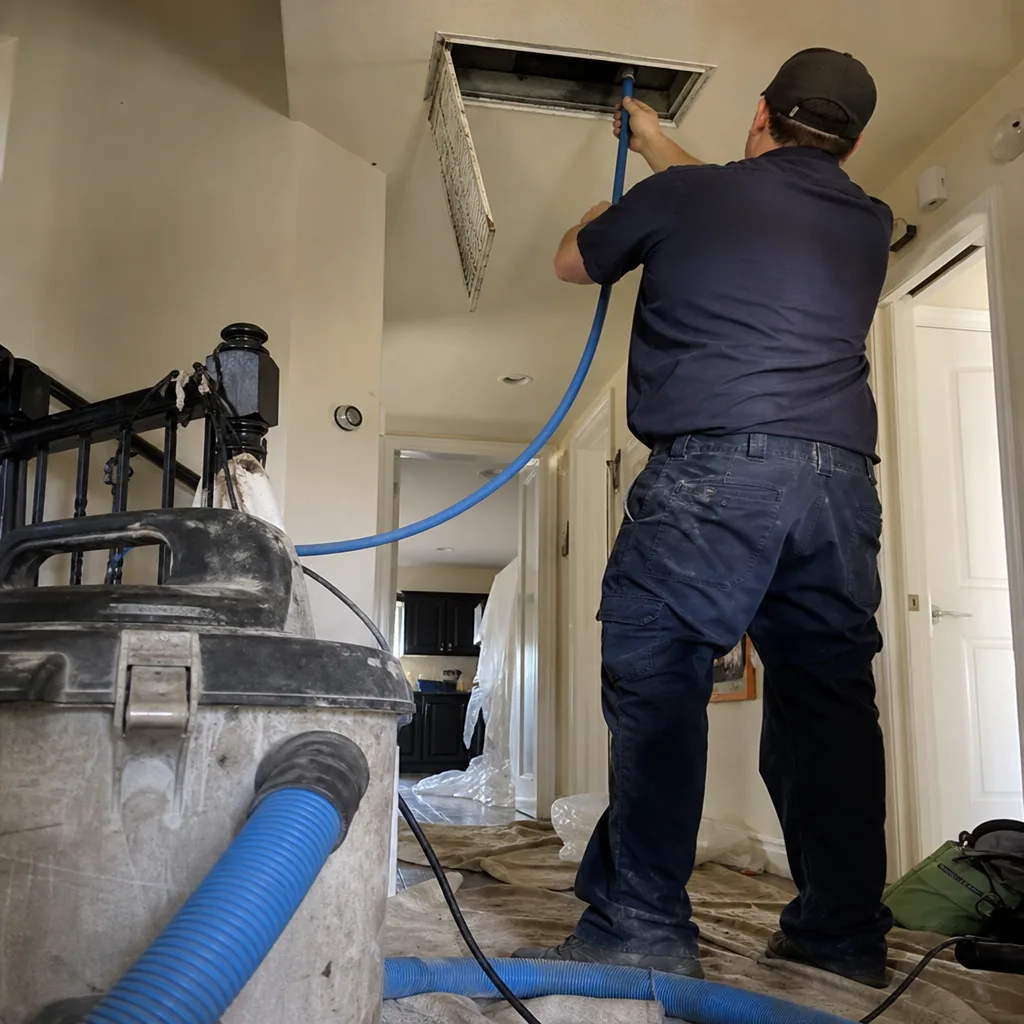 Before
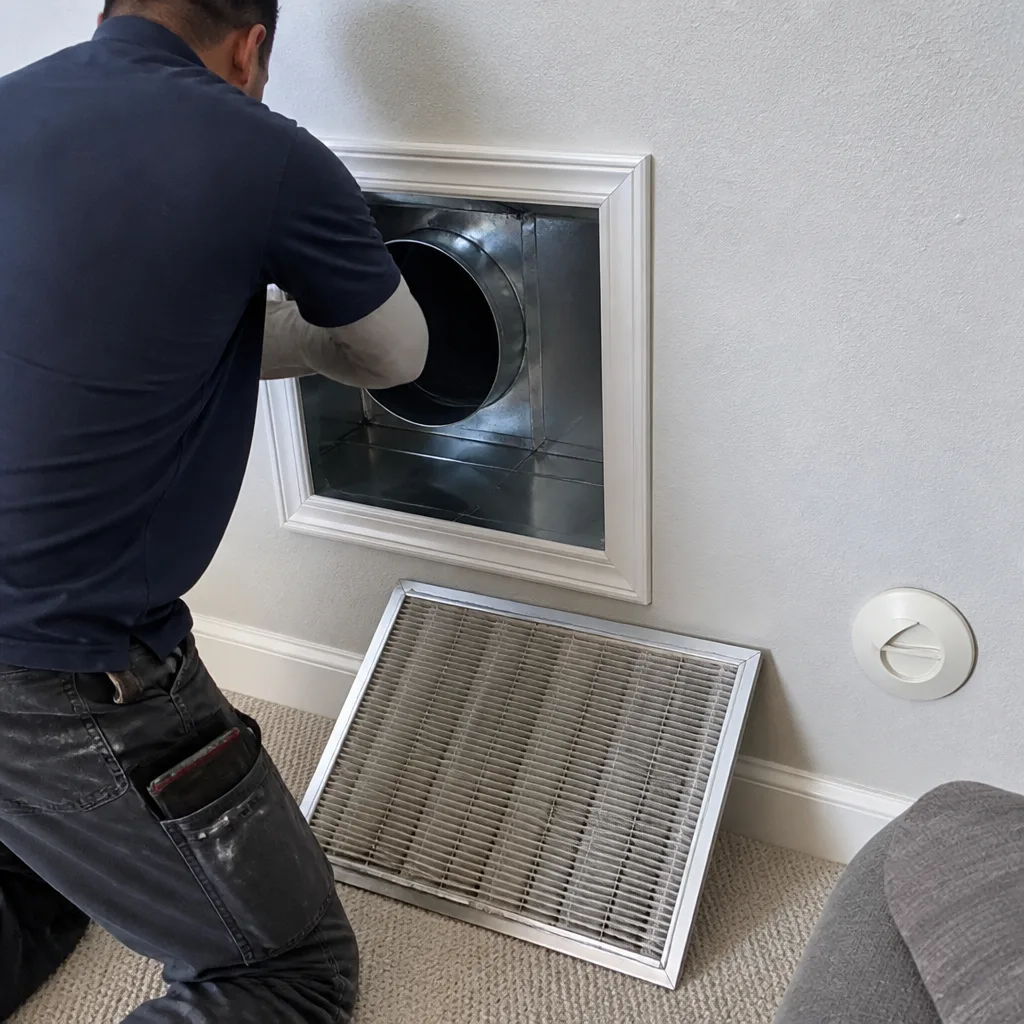 After
AfterAir Duct Cleaning Permits, Codes & Inspections in TX: What You Need to Know
Most Frisco homeowners assume that because air duct cleaning sounds like maintenance, it lives outside the permitting system entirely. That assumption can cost you. In 2019, a homeowner in Frisco’s Newman Village filed an insurance claim for water damage traced to a condensate drain line disturbed during a “routine cleaning” visit. The insurer denied the claim because the work had been performed by an unlicensed contractor operating outside permit requirements. The cleaning itself was legal. The incidental HVAC work was not. This guide - alongside The Complete Guide to Air Duct Cleaning in Frisco - maps exactly where Texas and Frisco draw the line between unregulated cleaning and licensed, permitted work so you know what paperwork to demand before anyone opens your air handler.
Quick Answer
Air duct cleaning alone does not require a permit in Texas or Frisco. However, if the technician opens the air handler cabinet, modifies ductwork, applies sealants inside the plenum, or treats mold, the work likely crosses into HVAC contracting, mechanical modification, or mold remediation territory - each with specific licensing and permitting requirements under Texas Occupations Code, the International Mechanical Code as adopted by Texas, and Frisco’s municipal building codes.
Table of Contents
- Cleaning vs. Repair vs. Modification: Where Texas Draws the Line
- When Duct Sealing Triggers a Mechanical Permit
- Texas Mold Remediation Licensing: What Triggers It
- The Paperwork Homeowners Should Demand
- Liability Exposure for Unlicensed Work
- How Frisco Inspections Work in Practice
- Common Mistakes to Avoid
- When to Call a Professional
- Frequently Asked Questions
BeforeAfterCleaning vs. Repair vs. Modification: Where Texas Draws the Line
Texas does not regulate air duct cleaning as a standalone trade. The Texas Department of Licensing and Regulation (TDLR) has no specific license category for “duct cleaner.” This creates a gap that many operators exploit, performing work that looks like cleaning but functions as repair or modification.
Here is how the categories break down in practice:
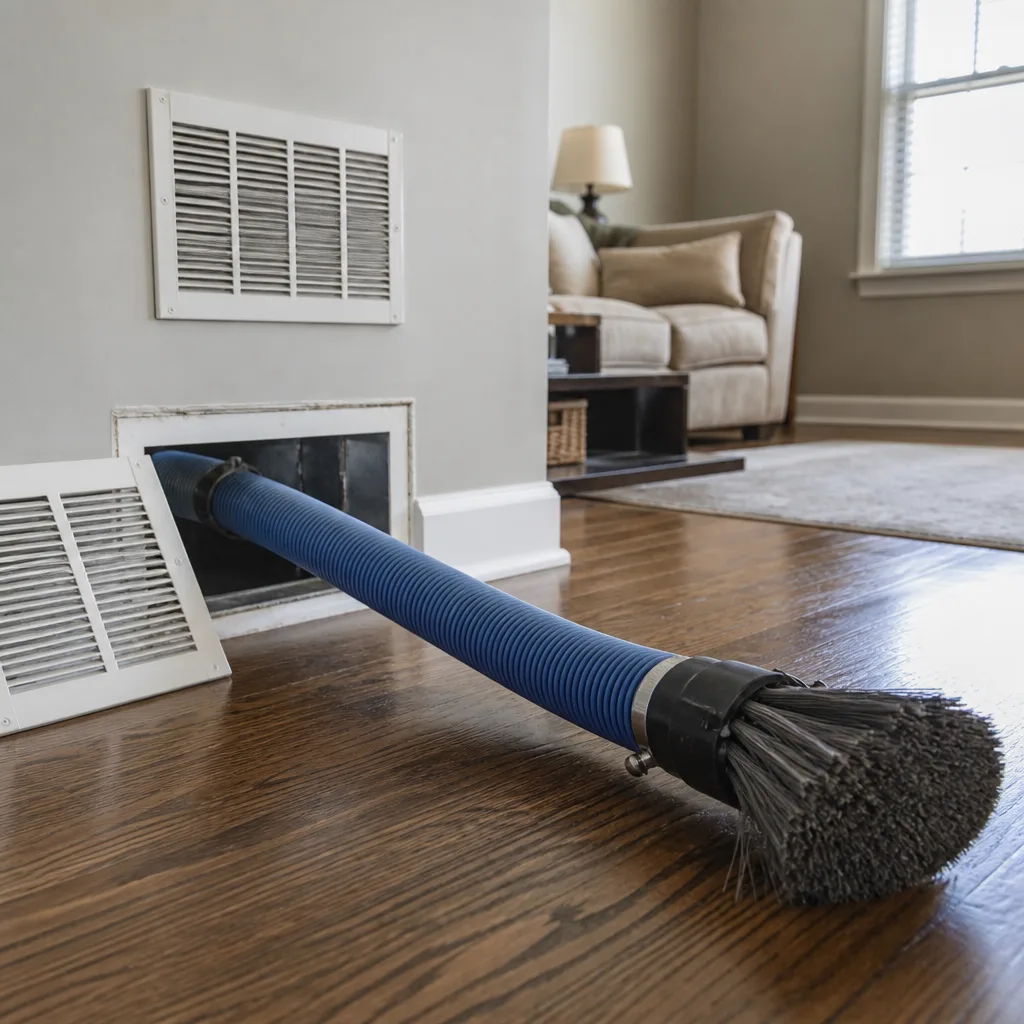
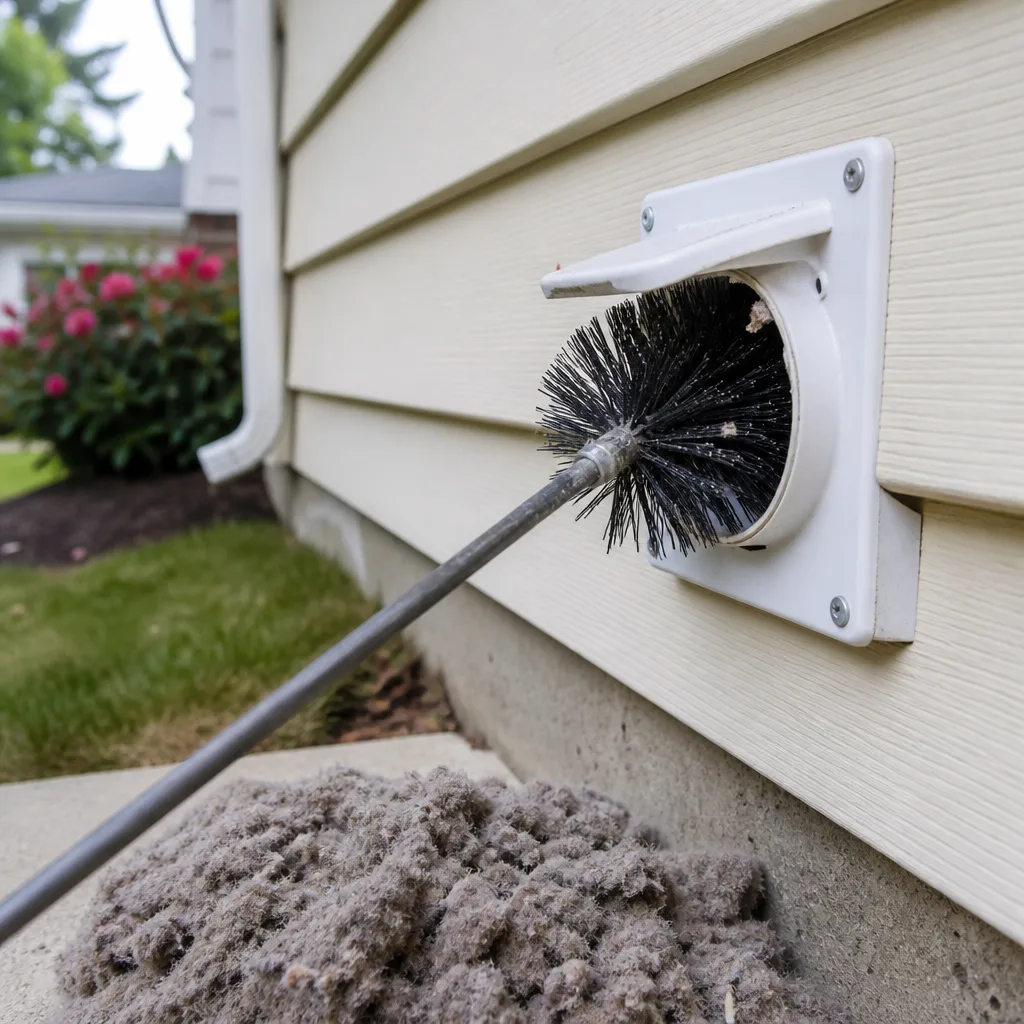
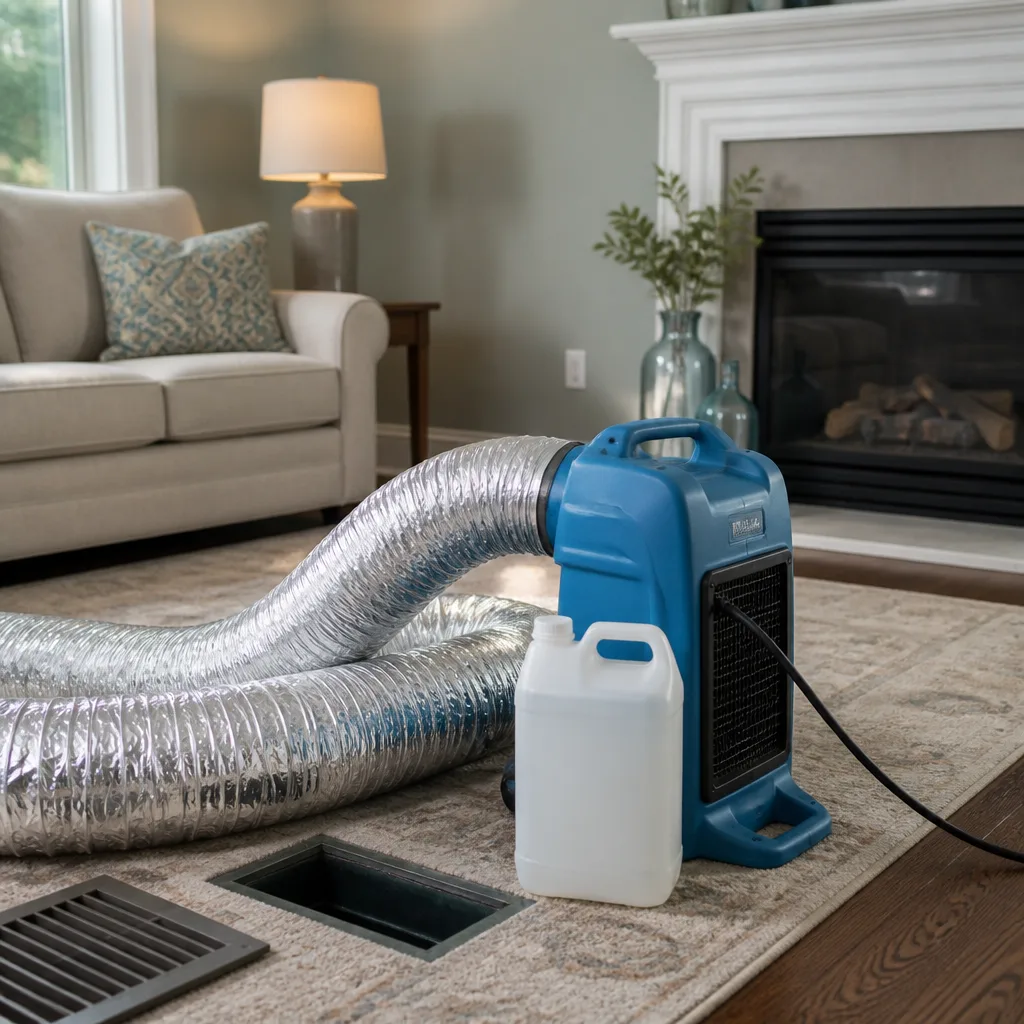
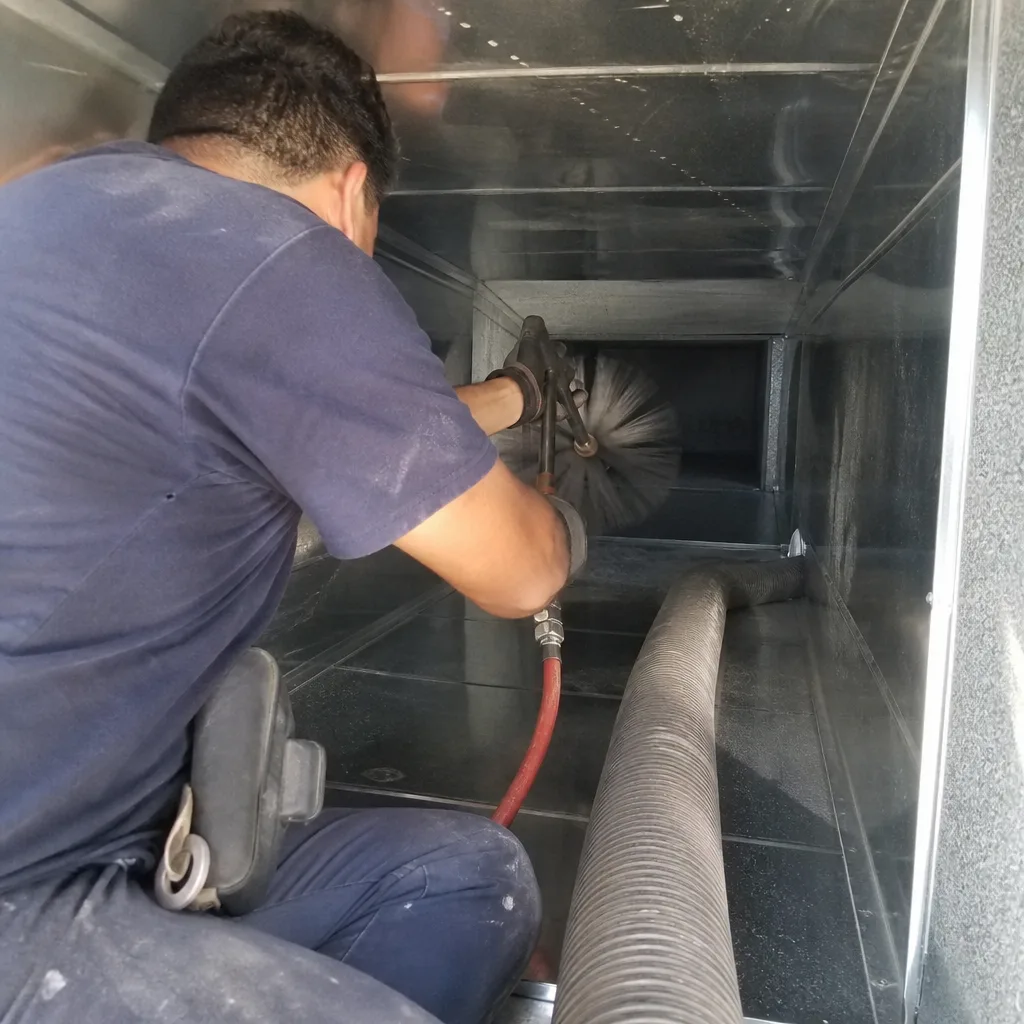
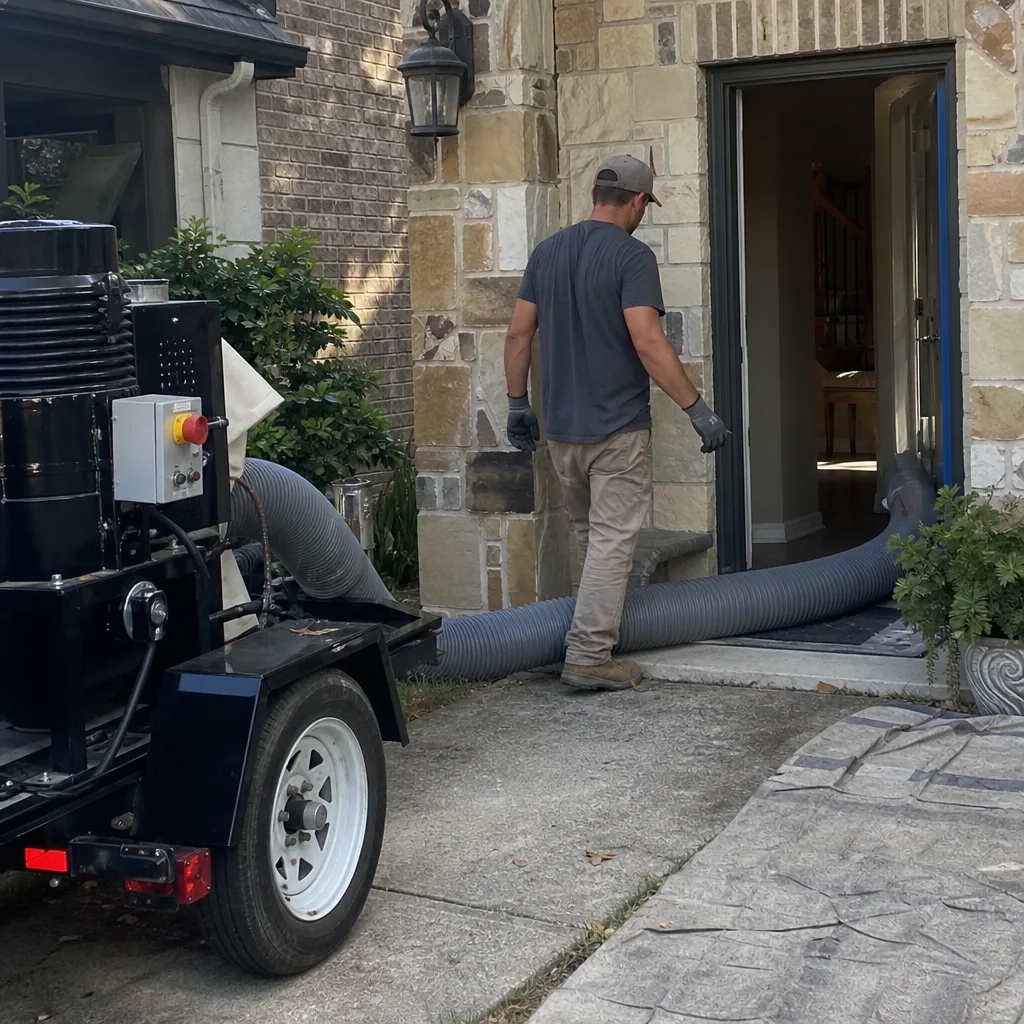
Cleaning (no license or permit required): Mechanical agitation and negative-pressure extraction of debris from existing duct runs, registers, and the accessible portions of the plenum - the central collection box where your ductwork connects to the air handler. This describes what CleanRun delivers on a standard Air Duct Cleaning in Frisco visit. We use Rotobrush contact cleaning and Nikro negative-pressure extraction systems to remove settled dust and debris without altering the duct system itself.
Repair (HVAC contractor license required): Fixing disconnected duct runs, patching holes, replacing damaged flex duct, or reattaching registers that have separated from the trunk line. Once you cut, seal, or replace material, you have left cleaning and entered repair. In Texas, repair work on the HVAC distribution system must be performed by a TDLR-licensed HVAC contractor.
Modification (HVAC contractor license + permit potentially required): Resizing duct runs, adding returns, relocating vents, or any work that changes the engineered airflow of the system. This includes some “duct sealing” services that apply aerosolized sealants throughout the entire duct network, effectively modifying the system’s performance characteristics.
The distinction matters because Frisco’s building inspection division follows the 2021 International Mechanical Code (IMC) with Texas amendments. Under IMC Section 103, mechanical work including duct system modification requires a permit issued by the City of Frisco Building Inspections Department. The permit must be pulled by a licensed contractor, and the work must pass inspection.
We’ve documented this confusion on hundreds of Frisco jobs. A technician arrives with a shop vacuum and a commission to “clean everything.” They find a disconnected return duct in the attic, a common issue in Frisco’s newer construction where thermal expansion cycles loosen tape joints. The technician reconnects it with foil tape. That single act transformed the visit from an unregulated cleaning into unlicensed HVAC repair. If the connection fails and the homeowner’s system ices up, the liability falls on whoever performed the work - and their insurance carrier will scrutinize whether they were licensed to do it.
Our crews are trained to stop at the boundary. When CleanRun technicians find repair needs during a cleaning visit, we photograph the issue, include it in the Documented Photo Record, and refer the homeowner to a TDLR-licensed HVAC contractor for the repair itself. We do not cross the line because Haven Standard Clause 1 - Written Price Before Any Work Starts - depends on knowing exactly what category of work we are performing.
When Duct Sealing Triggers a Mechanical Permit
Duct sealing sits in the murkiest zone of this regulatory map. Some sealing is maintenance. Some is modification. The difference determines whether you need a permit in Frisco.
Sealant type and application method determine regulatory status:
- Mastic or foil tape at accessible joints: This is routine maintenance, comparable to tightening a loose fitting. No permit required. CleanRun includes accessible joint sealing as part of our standard Duct Repair & Sealing service when the work is limited to reachable connections and does not alter system airflow.
- Aerosolized duct sealing (Aeroseal and similar systems): These systems pressurize the entire duct network and inject sealant particles that accumulate at leak points. The process changes the effective leakage rate of the system, which is a measured performance characteristic. Under IMC Section 103 and Frisco’s adopted code, this constitutes modification and requires a mechanical permit pulled by a licensed HVAC contractor.
- Internal spray lining: Applying a coating to the interior of duct runs - sometimes marketed as “duct sealing” or “duct restoration” - modifies the surface properties and potentially the cross-sectional area of the duct. This requires both licensing and permitting.
Frisco’s climate intensifies the pressure to seal ducts aggressively. Our summers push attic temperatures past 140°F, and even well-insulated flex duct develops leaks at connection points over time. The temptation is to solve everything in one visit: clean, seal, and declare the system “like new.” But if that sealing involves pressurized aerosol application or internal lining, the contractor must pull a permit and schedule a Frisco building inspection.
We’ve declined these jobs when the homeowner expected a single-visit solution. In one case, a Frisco Lakes resident requested aerosol sealing after we documented 34% measured leakage during a cleaning visit. We explained that the sealing would require a separate permit, a TDLR-licensed HVAC contractor partner, and a return inspection visit. The homeowner initially balked at the complexity. Six months later, they called back after an unlicensed competitor performed aerosol sealing without a permit and the Frisco building inspector flagged it during a routine resale inspection. The homeowner had to pay for permit retroaction and re-inspection before closing.
CleanRun’s equipment roster includes Guardsman hand-sealing tools for accessible joints and Honeywell test instruments for measuring leakage rates. We name these brands so you can verify their intended use. Guardsman tools are designed for manual application at reachable points. They do not pressurize the system or alter its engineered performance. When leakage rates indicate that aerosol sealing would be beneficial, we provide the measurement data, explain the permitting requirement, and connect you with a licensed partner who can perform the work under proper authorization.
Texas Mold Remediation Licensing: What Triggers It
This is where many duct cleaning operations in Frisco operate in explicit violation of state law.
Texas Occupations Code Chapter 1958 requires a Mold Remediation License for anyone who performs mold remediation in an area greater than 25 contiguous square feet. The Texas Department of Licensing and Regulation administers this requirement, and it applies regardless of what the service is called on the invoice.
How mold remediation intersects with duct cleaning:
- Visible mold inside ductwork: If your technician opens a register and observes visible mold growth, any subsequent treatment - chemical application, physical removal, or encapsulation - triggers the licensing requirement if the affected area exceeds 25 square feet. A typical residential plenum and connected trunk lines easily exceed this threshold.
- Air quality testing that confirms mold: Some contractors offer “mold testing” as an add-on. If the test confirms mold presence and the contractor then proposes treatment, they must hold a Mold Remediation License and follow Texas Mold Assessment and Remediation Rules (TMARR) work practices.
- Sanitizing vs. remediating: This is the language game. “Sanitizing” or “disinfecting” ductwork with EPA-registered products is generally treated as cleaning if no visible mold is present. But if the technician identifies visible mold and then applies a treatment product, Texas law considers that remediation, not sanitization.
The license requirement is not a mere credential. TMARR rules mandate specific containment procedures, worker protection, post-remediation verification, and documentation that must be maintained for three years. A duct cleaner with a bottle of “mold killer” and a fogger is not performing compliant remediation.
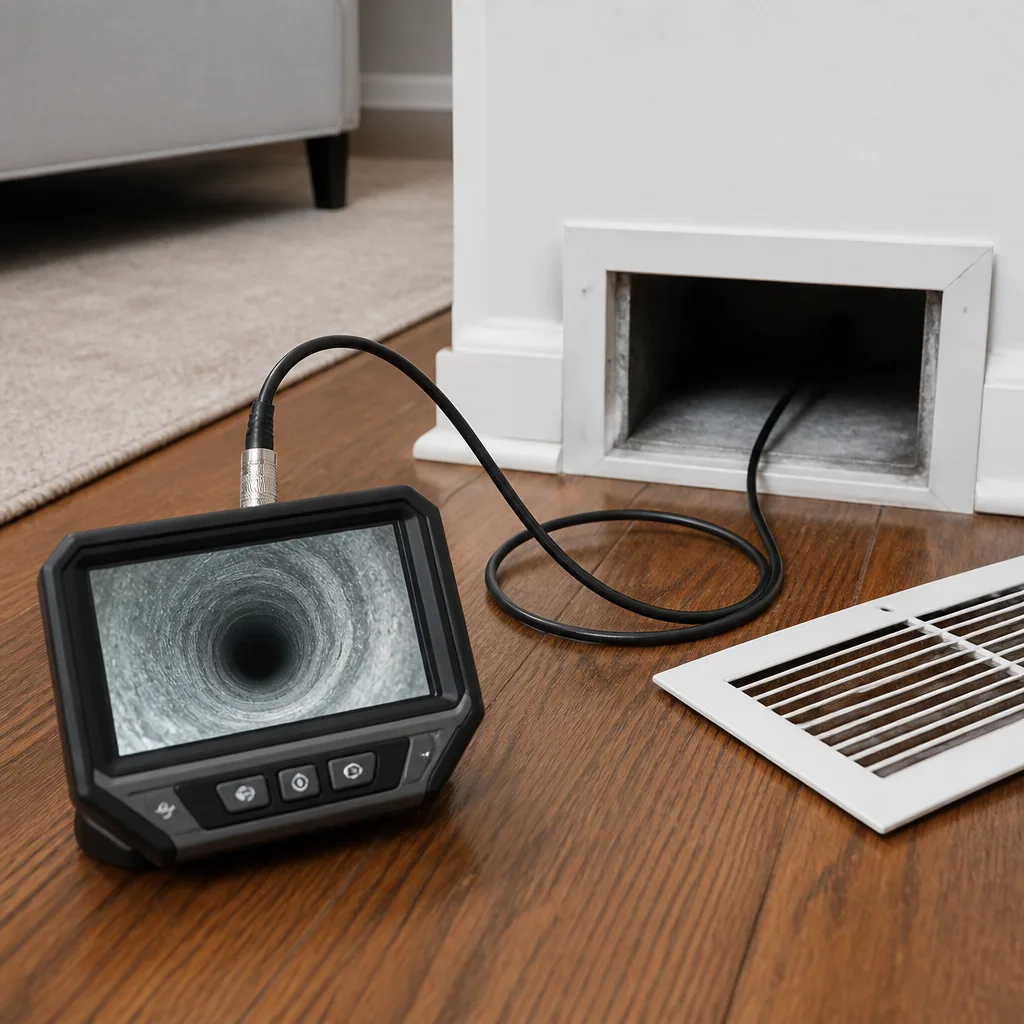
In Frisco’s humid summer months, we encounter mold concerns frequently. The combination of oversized AC systems common in 2015-2020 construction and poorly balanced humidity control creates condensation inside duct runs, particularly in unconditioned attic spaces. When our camera inspection shows visible mold, we stop. We document the finding in the photo record, provide the images to the homeowner, and recommend a TDLR-licensed Mold Remediation Contractor. We do not apply treatment products because CleanRun does not hold a Mold Remediation License, and Haven Standard Clause 4 - Do What You’re Licensed For - prohibits performing work outside our credentials.
Homeowners should verify any contractor’s mold license through TDLR’s online license lookup. The license number should match the business name on your invoice. A common evasion is for an unlicensed cleaner to claim they are working “under” a licensed contractor’s supervision. Texas law requires the licensed contractor to be physically present at the work site during remediation activities. If your duct cleaner cannot produce a TDLR Mold Remediation License with their name or their employer’s name, and if they cannot show you the license holder’s direct involvement, the work is illegal.
The Paperwork Homeowners Should Demand
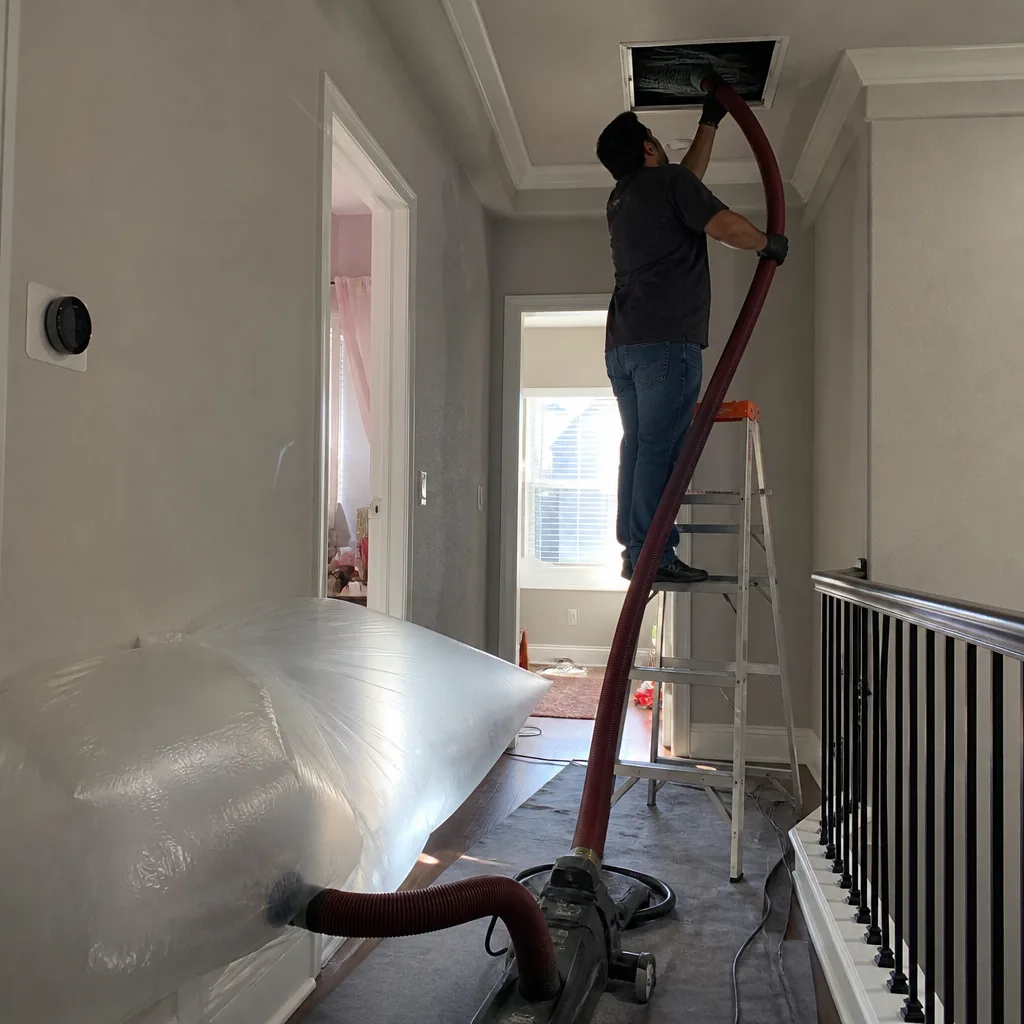
Before any work begins that crosses beyond mechanical agitation and extraction, request these documents. A legitimate contractor will have them ready. An evasive contractor will change the subject.
Document checklist:
- TDLR HVAC Contractor License: Required for repair or modification of the HVAC distribution system. Verify at tdlr.texas.gov. The license should be in the name of the business performing the work, not a subcontractor you’ve never met.
- City of Frisco Mechanical Permit: Required for duct system modifications including aerosol sealing, internal lining, and significant ductwork alterations. The permit should be posted at your property or available for inspection. Frisco issues permits through the Building Inspections Department at City Hall.
- TDLR Mold Remediation License: Required if visible mold treatment exceeds 25 contiguous square feet. Verify independently; do not accept a business card with a number scrawled on it.
- Certificate of Insurance: General liability and workers compensation coverage. The certificate should name the specific business and show current coverage dates. In Frisco’s high-value housing market, we recommend minimum $1 million general liability for any work involving attic access or air handler disconnection.
- Written Scope of Work: A detailed description of what will be done, what equipment will be used, and what results are expected. This is not a marketing flyer. It is a technical document that defines the boundary between cleaning and regulated work.
- Inspection Schedule: If a permit is required, the contractor should provide the inspection timeline and the Frisco inspector’s contact information before work begins.
CleanRun provides a written scope on every job under Haven Standard Clause 1. For standard cleaning visits, the scope specifies that work is limited to mechanical agitation and negative-pressure extraction of accessible duct runs, registers, and plenum surfaces. It explicitly excludes repair, modification, and mold remediation. This protects both parties. The homeowner knows exactly what category of work is being performed. CleanRun’s technicians know exactly where their authority ends.
For jobs that do require licensed partners - aerosol sealing, significant repairs, mold remediation - we provide the partner’s license numbers, permit documentation, and proof of insurance before any referral is made. We do not collect referral fees from these partners because Haven Standard Clause 6 - No Hidden Interests - prohibits arrangements that could compromise our recommendation.
Liability Exposure for Unlicensed Work
The consequences of unpermitted, unlicensed work extend beyond immediate repair costs. Frisco homeowners in the $500K+ market segment face specific exposures that cheaper markets do not.
Insurance claim denials: Homeowners insurance policies contain standard exclusions for damage caused by faulty workmanship or unlicensed contractors. If an unlicensed technician damages your air handler, floods your attic by disturbing a condensate line, or creates a fire hazard through improper electrical contact, your insurer may deny the claim based on the contractor’s status. The Newman Village case we referenced in our opening is not an outlier. It is a pattern that insurers increasingly recognize.
Resale disclosure obligations: Texas Property Code requires sellers to disclose known defects and unpermitted work. If you know or should know that duct modifications were performed without permits, you must disclose this on the Seller’s Disclosure Notice. Failure to disclose can result in post-sale liability to the buyer. Frisco’s active resale market means many homeowners will face this question within five to seven years of any work performed.
Title and closing complications: Frisco’s municipal lien search now includes building permit history. Unpermitted mechanical work can generate code violations that become liens against the property. Title companies increasingly flag these issues, requiring remediation before closing. The cost of retroactive permitting and inspection often exceeds the original job price.
Warranty voidance: HVAC equipment manufacturers may void warranties if damage results from unlicensed service. Your ten-year parts warranty on a 2020 Trane system becomes worthless if an unlicensed contractor fries the control board during a “cleaning” visit that involved electrical disconnection.
We’ve been called to document conditions after these failures. In one Frisco Ranch job, a homeowner’s unlicensed cleaner had removed the evaporator coil access panel to “clean inside” and failed to reseal it properly. The resulting air leak caused the coil to freeze, the compressor to fail, and $4,200 in replacement costs. The cleaner had no HVAC license, no insurance certificate on file, and had closed their business phone number. The homeowner’s insurer denied the claim. Our Documented Photo Record from a prior cleaning visit showed the panel properly sealed before the unlicensed work, which the homeowner used to support a small claims action. But documentation after the fact does not prevent the loss.
The protective step is verification before work begins. Ask for license numbers. Verify them independently. Request permit documentation for any work beyond mechanical cleaning. The ten minutes you spend on TDLR’s website can prevent months of dispute.
How Frisco Inspections Work in Practice
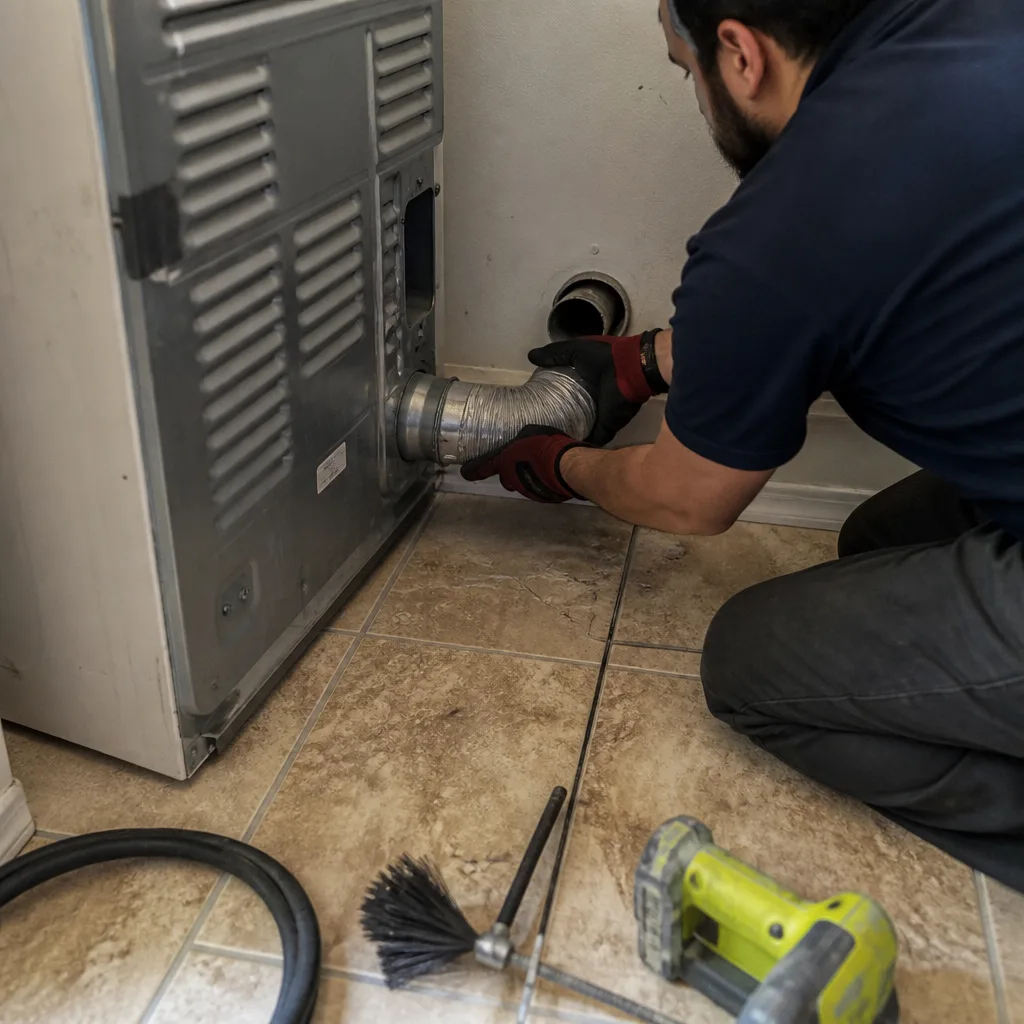
Frisco’s building inspection process for mechanical permits follows a specific sequence that homeowners rarely see unless they know to ask.
The permit process for duct modifications:
- Application: A TDLR-licensed HVAC contractor submits mechanical permit application to Frisco Building Inspections, including scope of work, equipment specifications, and contractor license verification.
- Plan review: For residential duct modifications, Frisco typically conducts over-the-counter plan review if the work is straightforward. Complex alterations or commercial properties may require full plan submission.
- Permit issuance: Upon approval, the permit is posted at the work site. The contractor must display the permit number and Frisco inspection contact information.
- Rough inspection: For ductwork modifications, Frisco may require rough inspection before final closure, particularly if the work involves new duct runs or significant alterations to the distribution system.
- Final inspection: The inspector verifies that work matches the permitted scope, tests system operation, and confirms compliance with the adopted IMC and energy code requirements.
- Certificate of completion: Upon passing final inspection, Frisco issues a certificate that should be retained with your home records for future resale disclosure.
Inspection timelines in Frisco typically run 2-5 business days for scheduling, though peak construction seasons may extend this. The homeowner does not schedule inspections directly; the permit-holding contractor is responsible for coordination.
For standard air duct cleaning with no modification component, this entire process is irrelevant. No permit. No inspection. No certificate. The work falls outside the building code framework entirely, which is why the industry attracts operators who perform modification work while calling it cleaning.
Frisco’s inspection division has limited bandwidth for proactive enforcement in single-family residential. They respond to complaints and flag issues during resale inspections, but they do not routinely inspect duct cleaning visits. This enforcement gap places the verification burden on homeowners. Ask the questions. Demand the documents. The regulatory system protects you only if you activate it.
Common Mistakes to Avoid
- Assuming “cleaning” covers everything. The word on the invoice does not determine the regulatory category. The actual work performed does. If your technician opens electrical panels, modifies duct connections, or applies sealants throughout the system, they have left cleaning regardless of what the coupon said.
- Accepting verbal license claims. “We’re licensed and insured” means nothing until verified. Ask for the TDLR license number, then check it at tdlr.texas.gov while the contractor is still in your home. A legitimate contractor will wait.
- Ignoring permit requirements for “minor” modifications. Frisco’s code does not have a homeowner’s exemption for mechanical work that you “didn’t think was a big deal.” Even relocating a single vent may trigger permitting if it alters the engineered airflow.
- Hiring based on price alone in Frisco’s premium market. The $79 coupon operator is not pulling permits, carrying proper insurance, or documenting their work. In a market where homes transact at $600,000+, the downside risk of unlicensed work far exceeds any upfront savings.
- Failing to retain documentation. Keep your written scope, photo record, license verification, and any permit certificates for the duration of home ownership. These documents resolve disputes and satisfy resale disclosure requirements.
- Allowing mold treatment without license verification. Texas takes mold remediation seriously. The 25-square-foot threshold is not a suggestion. Unlicensed mold work can generate civil penalties and create health liability exposure.
When to Call a Professional
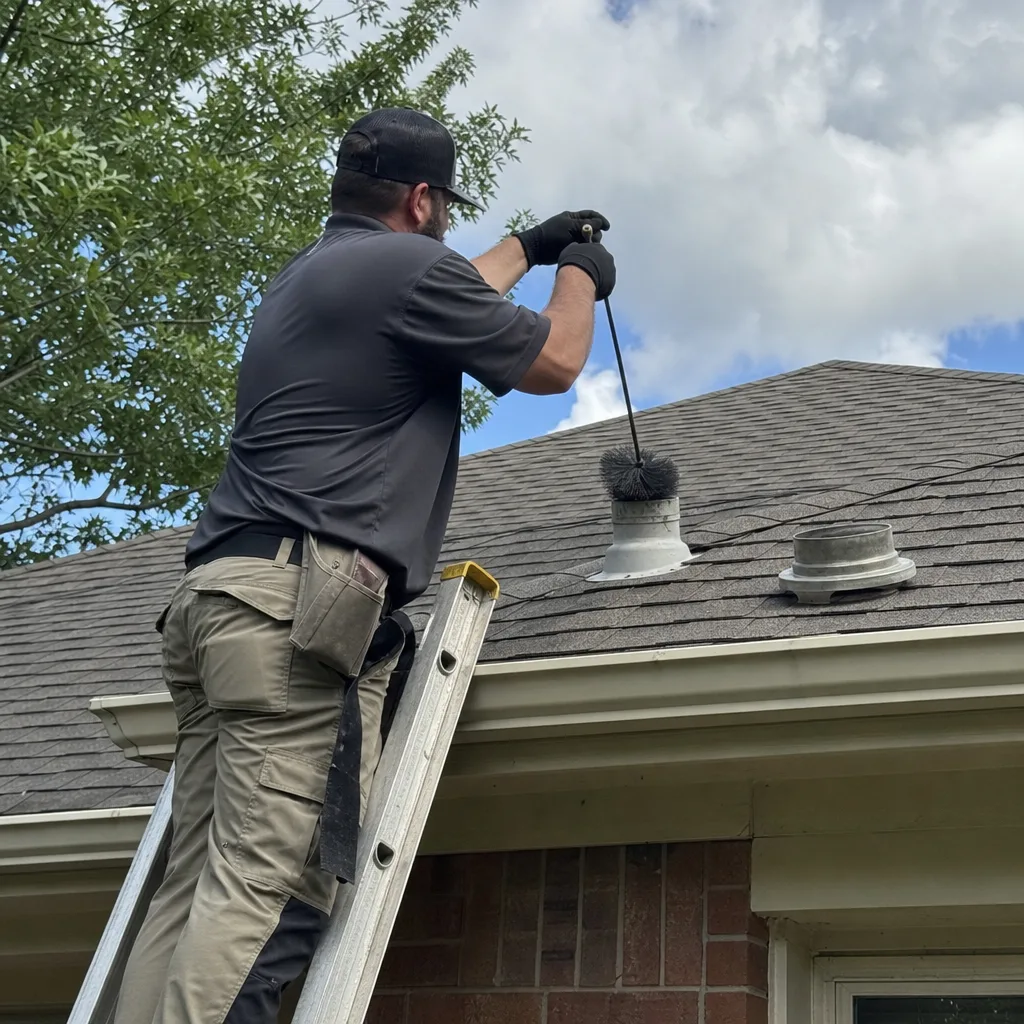
Call a TDLR-licensed HVAC contractor when your project involves duct repair, modification, or any work on the air handler beyond surface cleaning. Call a TDLR-licensed Mold Remediation Contractor when visible mold exceeds 25 square feet or when air quality testing confirms mold presence requiring treatment.
For mechanical air duct cleaning - agitation and extraction of debris from accessible duct runs, registers, and plenum surfaces - no license or permit is required in Texas. The contractor you choose should still provide written scope, documented results, and verifiable credentials for any work they do perform; see more guides & resources for what to request.
CleanRun Air Duct Cleaning Frisco offers free estimates in Frisco for homeowners who want to understand exactly where their project falls on this regulatory map. We’ll inspect your system, document current conditions with before photography, and provide a written scope that defines the boundary between our cleaning work and any licensed work that may be needed. Call (940) 290-8552 to schedule. We also provide Dryer Vent Cleaning in Frisco and HVAC Cleaning in Frisco under the same documentation standards.
Frequently Asked Questions
No. Mechanical cleaning of existing ductwork, registers, and accessible plenum surfaces does not require a building permit in Frisco or anywhere in Texas. If your contractor proposes modifications, repairs, or aerosol sealing, those activities may trigger permit requirements under the International Mechanical Code as adopted by Frisco.
Watch for these specific boundary crossings: opening the air handler cabinet, disconnecting or reconnecting electrical components, cutting or replacing duct material, applying aerosolized sealants throughout the system, or modifying register locations. Any of these activities requires a TDLR HVAC contractor license. If your “cleaner” performs them without one, they are operating illegally.
Texas Occupations Code Chapter 1958 requires a Mold Remediation License for treatment of visible mold covering more than 25 contiguous square feet. This threshold is easily exceeded in residential duct systems. A typical plenum alone may exceed this area. If your duct cleaner identifies visible mold and proposes treatment, demand their TDLR Mold Remediation License number and verify it independently before authorizing any work.
You can, but you must disclose unpermitted work on the Texas Seller’s Disclosure Notice. Failure to disclose creates post-sale liability. Frisco’s municipal lien search may flag code violations that delay or complicate closing. Retroactive permitting is possible but typically costs more than original permitting and may require opening completed work for inspector access.
Because they do not have one. Texas does not license duct cleaning specifically, so many operators have no license to show. When they perform work that requires licensing - HVAC repair, modification, or mold remediation - they rely on homeowner ignorance and the low probability of enforcement. The refusal to provide verifiable credentials is itself a signal to choose a different contractor.
No permit is required for the cleaning services we perform. For projects that require licensed work beyond our scope - aerosol duct sealing, significant repairs, or mold remediation - we refer you to verified TDLR-licensed partners and provide their license numbers and permit documentation before any work begins. We do not perform work outside our credentials under any circumstances.
The Bottom Line
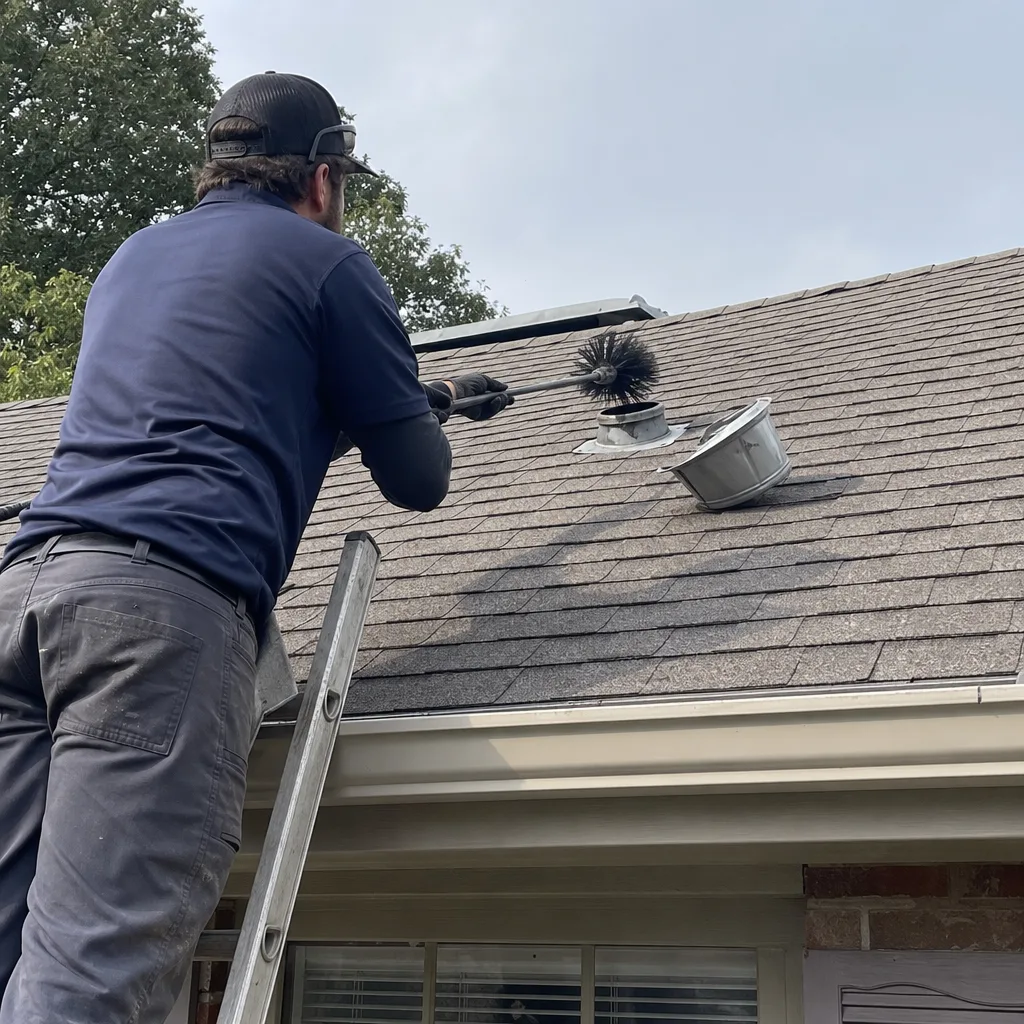
Air duct cleaning in Frisco operates in a regulatory gray zone that benefits informed homeowners and exposes those who trust surface appearances. The work itself requires no permit. The work that often accompanies it - duct sealing, repair, mold treatment - frequently does. Your protection is verification: license numbers checked against TDLR records, permit documentation requested before work begins, and written scopes that define exactly what category of work is being performed. CleanRun has documented every job since 2013 with before-and-after photography and written pricing under the H.A.V.E.N. Standard because evidence, not assurance, is what protects Frisco homeowners in a market built on coupons and evasion.
Written by Tomas Reyes, Owner at CleanRun Air Duct Cleaning Frisco, serving Frisco since 2013.